
Red Brick and Container Structure Houses
There are differences between red brick houses and container structure houses in terms of cost, construction, performance, environmental protection, and design flexibility, with container houses having advantages in specific scenarios.
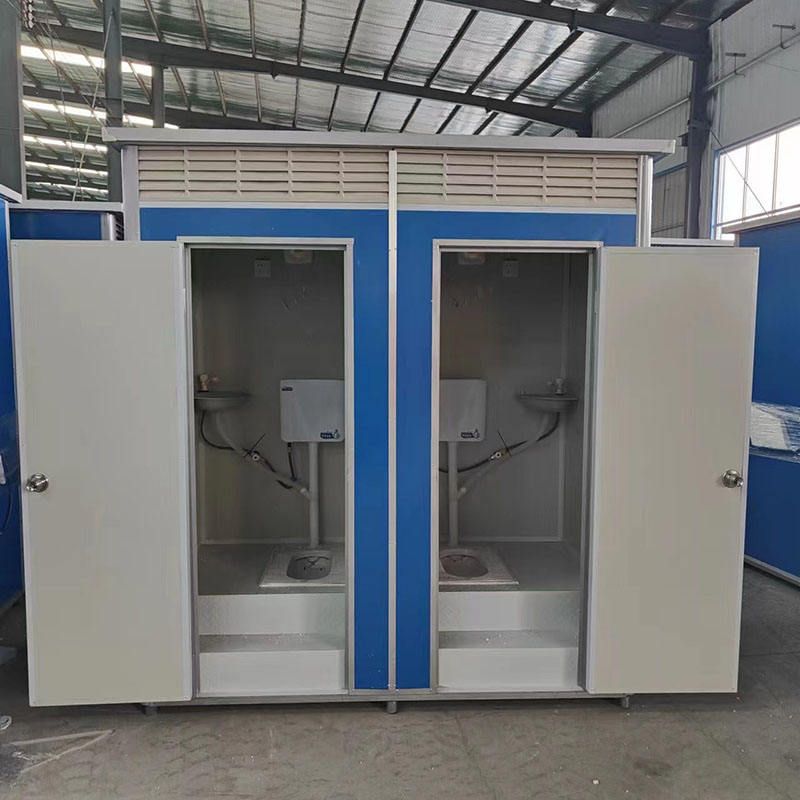
Cost: The cost of red brick houses is relatively low, but it is subject to significant fluctuations due to material limitations and labor costs. The cost of container houses is comparable to that of brick-and-mortar structures. A single container costs about 10,000 yuan, and 6-7 containers can be combined to form a 150-square-meter villa, with a total cost including hard finishes of about 200,000 yuan. If foldable containers are used, transportation and storage costs can be reduced by 80%, further compressing the total cost.
Construction Efficiency: Red brick houses require on-site masonry, and the construction period is significantly affected by weather and labor. Container house components are prefabricated in factories, and only lifting and assembly are required on-site, shortening the construction period by more than 50%. For example, the modular hotel project in Papua New Guinea adopted a container structure, reducing the overall construction period from 14-18 months to 7 months and lowering labor costs by 60%.
Performance: Red brick houses have poor earthquake resistance and thermal insulation performance and require additional reinforcement and thermal insulation treatment. Container houses can achieve a warm winter and cool summer effect by filling soundproof materials, adding thermal insulation layers, and installing double-glazed windows. For example, the Costa Rica project adopted triple-glazed windows and internal thermal insulation layers, with better thermal insulation performance than red brick walls; the Denmark project retained the corrugated metal interior walls of the containers while optimizing natural lighting through large window designs.
Environmental Protection and Sustainability: Red brick production consumes a large amount of clay resources and generates dust pollution during construction. Container houses realize the reuse of discarded containers, reduce the generation of construction waste, and comply with the trend of low-carbon construction. For example, the export growth rate of modular buildings in Humen Port, Dongguan, reached 45%, with products shipped to more than 150 countries and regions, promoting the transformation of Chinese construction towards 'industrial product exports.'
Design Flexibility: Red brick houses are limited by their structure, making it difficult to adjust the internal layout. Container houses can achieve spatial reconstruction through modular combinations, supporting open layouts, multi-story structures, and balcony designs. For example, the Taiwan project retained the foundation of the old brick house and stacked 5 containers to form a three-story structure; the Jiangsu project built containers on the original foundation, enabling rapid occupancy.



