
Recycled Container House Customization
Customization of recycled container houses requires comprehensive consideration of factors such as size specifications, structural safety, application scenarios, and manufacturer qualifications.
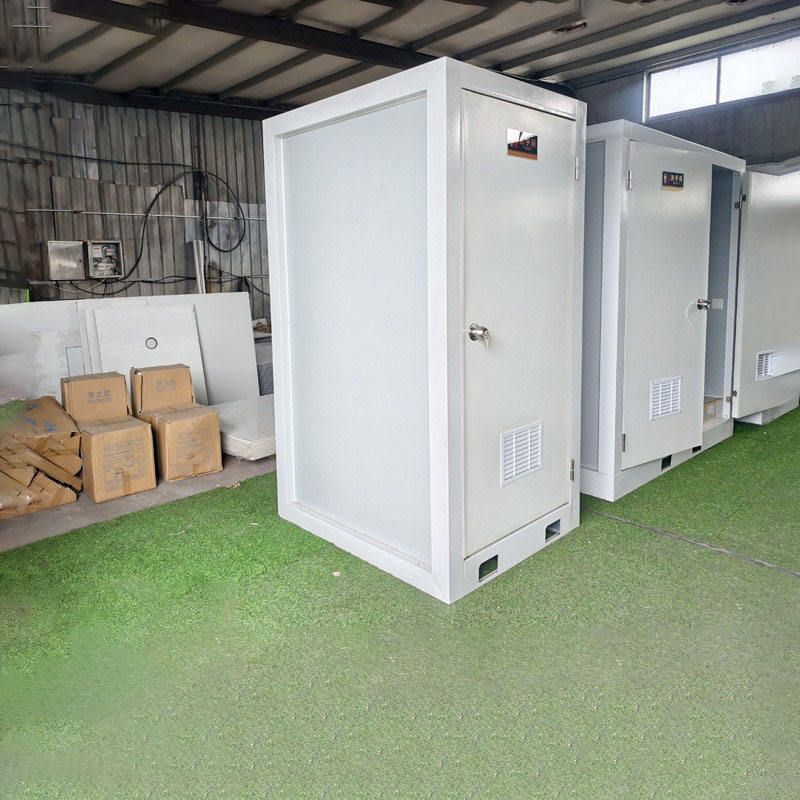
I. Size Specifications and Customization Flexibility
Container house customization is based on standard 20-foot (6058×2438×2591mm) and 40-foot (12192×2438×2591mm) containers, with internal clear dimensions of approximately 5867×2330×2350mm and 11998×2330×2350mm, respectively, suitable for single-person offices, multi-person dormitories, or multi-functional spaces. Non-standard customization allows for adjustments in length, width, and height, such as specifications like 3m×6m and 3m×8m, with widths ranging from 2.5m to 4m and heights from 2.6m to 2.9m. Door and window positions, partitions, and interior decorations can all be designed according to specific needs. For example, when customizing container mobile homes in Beijing, it is necessary to select appropriate sizes based on actual usage (such as temporary offices, accommodations, or commercial facilities) and confirm whether the transportation channels meet the requirements for lifting large containers.
II. Structural Safety and Wind Resistance
Structural safety is the core of customization. It is essential to choose containers with fixed devices at the bottom to prevent movement or overturning in winds exceeding force 8. In terms of materials, the wall thickness of columns should be no less than 2.3mm, and the frame should adopt full-welding technology, complying with the requirements for load and anti-overturning in the JGJ/T 435-2018 standard. For example, a manufacturer in Taiyuan provides residential container mobile homes with an integrated welding structure, offering excellent sealing, sound insulation, and thermal insulation performance, and supporting rapid installation and overall lifting during relocation to reduce losses.
III. Application Scenarios and Functional Adaptation
Container house customization needs to match specific scenario requirements. For example:
- Engineering Camps: Modular products that can be disassembled and relocated are required, supporting multiple reuses and reducing construction waste emissions (approximately 90% less than traditional temporary buildings).
- Cultural Tourism Homestays: Emphasis should be placed on personalized exterior customization, such as using metal carved panels or aluminum alloy materials to enhance aesthetics.
- Emergency Support: Compliant products that have passed domestic and international certifications should be selected to ensure cross-border usage qualifications.
A company in Chengdu transformed recycled containers into highway mixing plant houses, improving resource utilization through standardized renovations and reducing overall costs by 32% compared to traditional temporary buildings.
IV. Manufacturer Qualifications and After-sales Service
Choosing a manufacturer with production qualifications, project delivery capabilities, and after-sales service is crucial. It is necessary to verify whether the manufacturer has passed ISO certification, provides full lifecycle maintenance services, and supports customized design. For example, an integrated housing manufacturer in Shandong offers a diverse range of products, including mobile panel houses and packing-box units, covering the entire process of design, production, sales, and installation, suitable for purchasers requiring one-stop services.



