
Solutions for Container Houses in Rainstorms
In rainstorm weather, container houses need to take targeted measures during the design and use phases, and pay attention to structural sealing, industry standards, and application scenarios to effectively cope with rainstorm侵袭 (invasion).
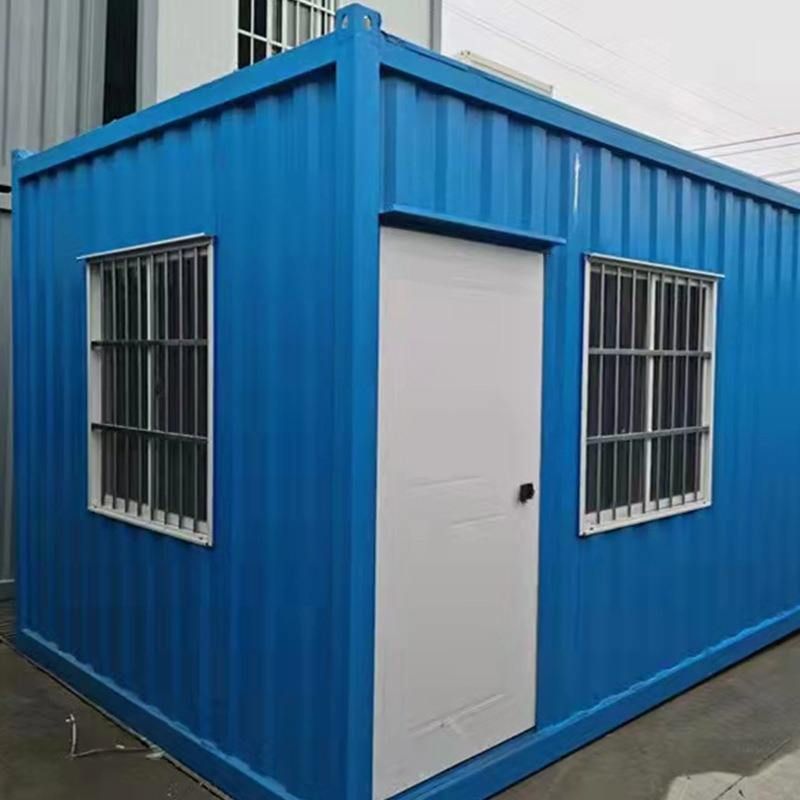
I. Preventive Measures during the Design Phase
Waterproof Design of Building Structures
The roof and walls of container houses need to be laid with waterproof materials (such as waterproof membranes or coatings) to form a continuous waterproof layer and prevent rainwater penetration. It is recommended to adopt a sloped roof design to utilize gravity to accelerate rainwater drainage and reduce the risk of water accumulation.Optimization of Drainage Systems
Design a reasonable drainage slope (usually not less than 2%) to ensure that rainwater quickly flows to the drainage outlets; the roof needs to be equipped with drainage pipes, gutters, and other facilities to avoid water accumulation; drainage pipes need to be regularly inspected to remove blockages such as leaves and debris to maintain smooth flow.Enhancement of Sealing Performance
Connection parts such as container joints and door and window gaps need to be sealed using sealing strips, sealants, or welding processes to prevent rainwater from seeping in through the gaps. Welding points need to be polished smooth and coated with anti-rust paint to avoid sealing failure due to rusting.Selection of Materials and Processes
Prioritize the use of materials with excellent corrosion resistance and waterproof performance, such as galvanized steel sheets and aluminum alloys; the welding process needs to ensure that the welds are sealed to avoid holes; the walls can be added with thermal insulation layers to also enhance the waterproof effect.
II. Maintenance and Emergency Measures during the Use Phase
Regular Inspections and Maintenance
Inspect the waterproof layer for cracks, the drainage system for blockages, and the sealing strips for aging every quarter; perform anti-rust treatment (such as painting with anti-rust paint) annually to extend the service life of the container.Addition of Temporary Waterproof Measures
Add waterproof membranes or paint waterproof coatings on the roof or walls to enhance local waterproof capabilities; waterproof tape can be pasted on door and window gaps to temporarily block rainwater.Response to Extreme Weather
During rainstorm warnings, cover the roof with waterproof tarpaulins or plastic sheets to reduce the direct impact of rainwater; install temporary drainage pumps to accelerate the drainage of accumulated water; check whether the ground anchors are secure to prevent the container from being blown away by the wind or collapsed by accumulated water.Provision of Emergency Supplies
Stockpile supplies such as waterproof cloths, buckets, and water-absorbing sandbags to quickly cover leakage points and collect accumulated water in case of sudden leaks, avoiding damage to indoor equipment or personnel slipping.
III. Other Key Influencing Factors
Structural Sealing
Ensure that the container has no damage, cracks, or rusting, regularly inspect the integrity of the container body, and promptly repair damaged parts.Compliance with Industry Standards
Choose container houses that comply with international (such as ISO standards) or national standards. Their material, process, and testing requirements are stricter and can better adapt to harsh weather.Optimization of Application Scenarios
Adjust the waterproof design according to the use environment (such as coastal areas with frequent typhoons and inland areas with frequent rainstorms), for example, by increasing the number of drainage outlets, upgrading the sealing level, or using more corrosion-resistant materials.



