
Questions About Mobile Toilets
Mobile toilets are facilities that can be moved as a whole and provide toilet services to the public. They are suitable for a variety of locations, come in multiple types, and have both advantages and disadvantages.
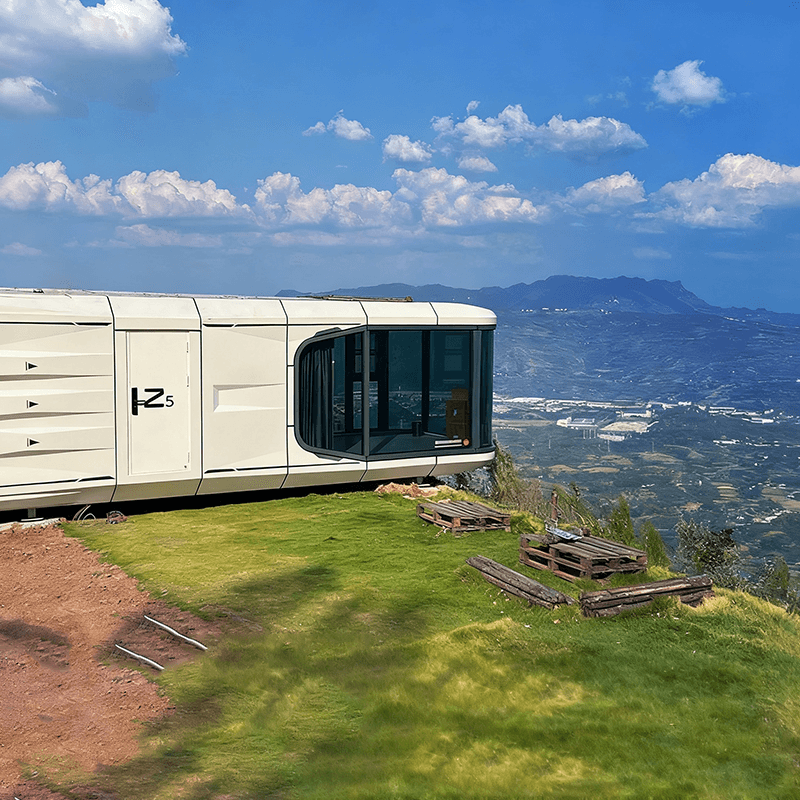
Suitable Locations: Mobile toilets are suitable for stations, docks, tourist attractions, villa areas, newly built residential communities, large construction sites, squares, densely populated public places, and bustling commercial streets. These locations have a high flow of people, and the demand for toilet facilities can be either temporary or permanent. Mobile toilets can well meet these needs.
Composition and Structure: They are generally composed of fecal sewage storage tanks (or fecal sewage treatment devices), floor slabs, sanitary ware, walls, washing equipment, water tanks, roofs, and mobile devices. Each part works in coordination to ensure the normal operation of the mobile toilet.
Classification: According to the structural form, they are divided into single-structure mobile toilets and composite-structure mobile toilets. According to the moving method, they are divided into hoisting and handling mobile toilets, and powered and towed mobile toilets. According to the sewage treatment method, they are divided into water-flushing and non-water-flushing suction-type mobile toilets, circulating water-flushing mobile toilets, and dry-packing mobile toilets. Different types of mobile toilets have their own characteristics in terms of usage scenarios and functions.
Advantages: They can be conveniently transported to any location where a toilet needs to be set up and can be used repeatedly. They have the advantages of being movable, combinable, and easy to transport.
Disadvantages: They are inconvenient to use, do not fit tightly with the ground, are prone to shaking or tipping over, and have a small space that is not conducive to cleaning. They are difficult for obese or people with lower limb disabilities to use. Hygiene is difficult to guarantee. Due to their small volume, if they are not cleaned in a timely manner, they will produce odors and bacteria. If manual cleaning is not timely, there is a risk of an epidemic. Water-related facilities may encounter technical problems. It is difficult to protect privacy as the small space is easily visible, and the cleaning work in contact with users can cause psychological distress. The cost is relatively high, and maintenance requires a large investment in manpower, cleaning, and transportation, and the repair costs are also high.
Design Principles: They should follow the principles of being mobile and convenient, economical and durable; environmentally friendly and beneficial to the environment; improving efficiency and promoting humanity. The overall structure should be lightweight and durable, sturdy, with controlled height and width, and the mobile device should be complete and reasonable.



