
Volver al blog
Artículo
Quality of Prefabricated Concrete Houses
Admin 18 de septiembre de 2026
The quality of prefabricated concrete houses is influenced by multiple factors. When properly controlled, it can meet various needs and possess a certain degree of safety, durability, and stability, but there may also be some issues. Details are as follows:
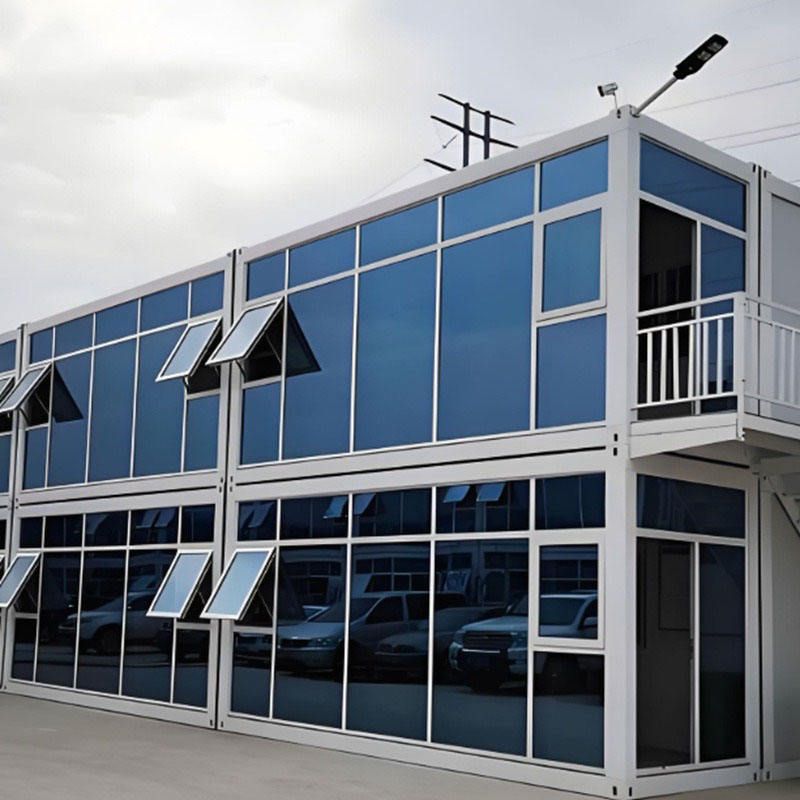
Performance Characteristics
- Structural Strength: High-quality prefabricated concrete houses use high-strength cement, properly graded sand and gravel aggregates, and standardized reinforcement. They have a load-bearing capacity of 500-800 kilograms per square meter, meeting the load requirements for residential and office use.
- Durability: With proper maintenance, their service life can reach 50-70 years. However, the use of inferior materials or improper maintenance may lead to premature issues such as cracks and corrosion.
- Waterproof Performance: Qualified products are treated with waterproof coatings and layers, achieving a Class II roof waterproofing standard. However, joint gaps can be potential leakage points and require regular maintenance.
- Sound Insulation: Reasonable wall design and filling with sound-absorbing materials can reduce noise to 40-50 decibels. However, insufficient thickness of prefabricated panels or structural sound transmission may result in poor sound insulation, requiring targeted optimization.
- Seismic Performance: Houses built according to standards can maintain structural integrity in earthquake zones of magnitude 7 or below. However, improper handling of connection joints or design flaws may reduce seismic capacity.
- Fire Resistance: Non-combustible materials such as cement and steel provide a fire resistance limit of 2-3 hours, buying time for evacuation and rescue.
- Dimensional Accuracy: Factory production controls component deviations within ±5 millimeters, ensuring accurate assembly.
- Thermal Insulation: The use of new materials such as polystyrene boards and rock wool boards results in a wall thermal insulation coefficient of 0.3-0.5 W/(㎡·K), reducing energy consumption.
- Wind Resistance: Designed according to load standards, they can withstand winds of magnitude 10-12, with a firm connection between the foundation and the main structure.
- Environmental Indicators: They reduce construction waste emissions by 30%-50% and lower dust and noise pollution at construction sites.
Core Factors Affecting Quality
- Materials and Processes: High-strength cement, corrosion-resistant steel reinforcement, and steam curing improve concrete density. Inferior materials may lead to cracks and leakage.
- Joint Connection Technology: Grouting sleeves or bolt anchoring techniques ensure joint stability. Improper connections can easily lead to quality accidents.
- Construction Management and Acceptance: On-site assembly must strictly follow the Technical Standard for Prefabricated Concrete Buildings (GB/T 51231) to avoid issues such as horizontal alignment deviations and insufficient grouting.
Relacionados



