
Quality Inspection of Prefabricated Houses
The quality inspection of prefabricated houses mainly includes types such as structural safety inspection and assessment, housing safety inspection, and preliminary inspection of potential safety hazards in old prefabricated panel houses in urban areas. The inspection must be carried out by qualified institutions following standardized procedures.
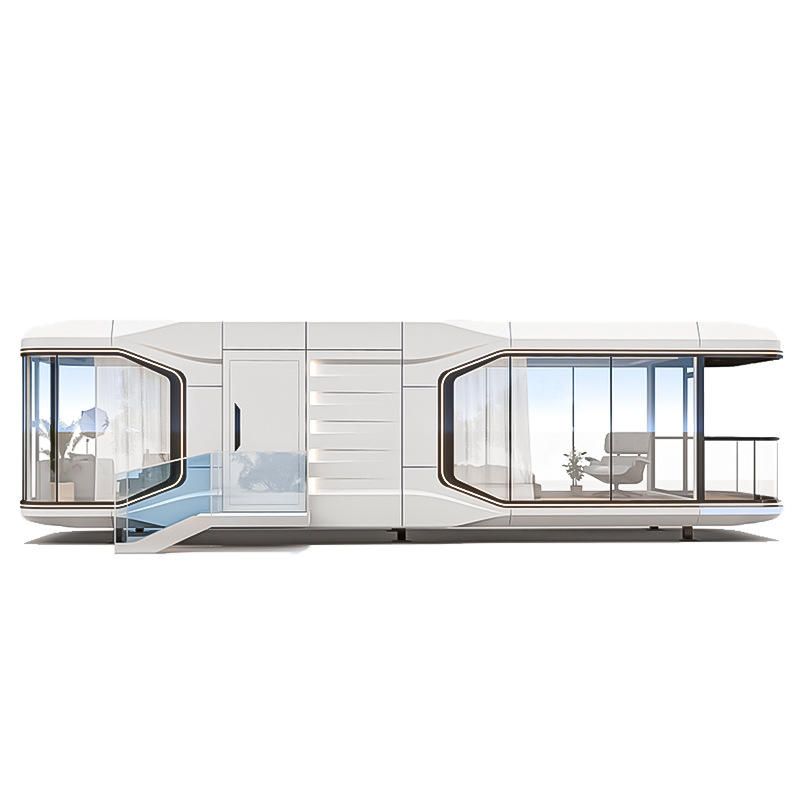
Inspection Types
- Structural Safety Inspection and Assessment: When prefabricated houses show dangerous signs such as cracking, tilting deformation, aging, or when there are changes in their intended use, local structural arrangements that may affect safety, continued service beyond the designed service life, or doubts or disputes regarding their structural safety, a comprehensive inspection of the current structural condition of the house is required, along with analysis, calculation, appraisal, and assessment of its safety status.
- Housing Safety Inspection: This involves providing basic and preventive safety technical services for various existing buildings (including prefabricated houses). It comprehensively inspects potential safety hazards, accurately identifies the types, distribution ranges, and degrees of danger of these hazards, issues timely safety warnings, and provides a scientific basis for housing safety management and control, hazard rectification, and maintenance and repair.
- Preliminary Inspection of Potential Safety Hazards in Old Prefabricated Panel Houses in Urban Areas: This focuses on three aspects: "structural integrity", "condition of individual components", and "usage and modification conditions". Structural integrity and basic inspections include checking for ground settlement around the house, diagonal cracks at the base of walls, and overall tilting of the house. Specialized inspections of core components cover prefabricated floor slabs, load-bearing walls, and joint connections, such as inspecting for cracks and subsidence in prefabricated floor slabs, cracks and weathering in load-bearing walls, and the firmness of joint connections. Inspections for unauthorized modifications and usage environments include verifying whether the house has been modified without permission, whether additional floors have been added on the roof, and whether heavy objects have been stacked on the floor slabs.
Inspection Requirements
Housing inspections must be conducted by qualified inspection units. Inspection agencies must be equipped with professional equipment and pass the qualification review under the "Administrative Measures for the Inspection of Construction Engineering Quality". They must carry out inspection activities within the scope of their qualifications and are not allowed to undertake inspection business without obtaining the corresponding qualification certificates.
Inspection Process
Preliminary inspections cannot replace housing safety appraisals. When general safety hazards are identified, they should be verified by professional technicians. If a house is found to have certain dangerous hazards, a housing safety appraisal unit with corresponding qualifications and technical capabilities can be commissioned to conduct an appraisal, and the house should be disposed of according to the appraisal results.



