
Qingyuan Advanced Mobile Toilet Installation
The installation of advanced mobile toilets in Qingyuan is typically provided as a one-stop service by professional rental or sales companies, with core processes including positioning and foundation preparation, main structure assembly, internal facility connection and debugging, and service assurance.
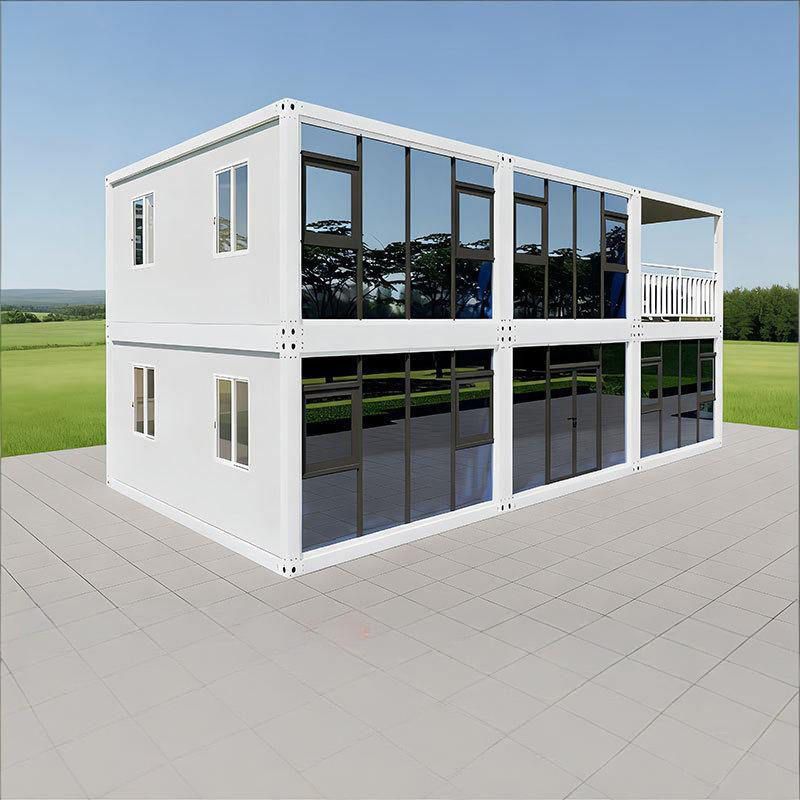
1. Positioning and Foundation Preparation
Before installation, determine the specific location based on site planning, focusing on checking ground conditions: if the ground is hard and level, installation can proceed directly; if there are issues such as soft soil, uneven ground, or poor drainage, hardening treatment (such as pouring concrete) or laying steel plates should be carried out in advance to ensure a stable foundation and smooth drainage. This step directly affects the stability of subsequent installation and usage safety.
2. Main Structure Assembly
Choose different assembly methods based on the type of toilet:
- Split-type mobile toilets: Use a prefabricated chassis (steel structure) as the foundation, place it steadily and adjust the level using a forklift or manual labor, then sequentially install wall panels and roof panels made of sandwich panels, secure them with bolts or clips, and perform sealing treatment to prevent leakage.
- Integrated mobile toilets (such as luxury models): The factory has completed interior decoration and equipment integration. On-site, simply use lifting equipment to position it and connect water, electricity, and sewage pipes. The overall installation time can be shortened to 2-4 hours, significantly improving efficiency.
3. Internal Facility Connection and Debugging
After completing the main structure, install partitions, toilets, flushing systems, sinks (optional), lighting, and ventilation equipment. Water and electricity pipelines adopt a modular quick-connector design, greatly shortening connection time. During the debugging phase, three checks are required:
- Flush test: Ensure the toilet flushing function is normal, with no blockages or leaks;
- Circuit check: Verify that lighting, ventilation, and other electrical equipment operate stably, with no short-circuit risks;
- Seal check: Focus on checking the joints between wall panels, roof panels, and pipe connections to prevent odor leakage or rainwater infiltration.
4. Service Assurance
- Rental services: Include professional installation, with customers not needing to undertake site selection, transportation, or layout work. All restrooms undergo strict cleaning and disinfection, suitable for short-term events or temporary needs.
- Sales business: Provide full-process support from consultation, design to installation and after-sales, ensuring products meet environmental standards and have a long usage cycle, suitable for long-term fixed locations.
- Quick response: Local service providers usually have storage points, enabling delivery within 24-48 hours. Some companies support customized services (such as adding barrier-free facilities, environmentally friendly water-saving functions) to meet diverse needs.
Notes: The convenience of installation is affected by the type of toilet, foundation treatment, supporting facilities, and team experience. It is recommended to choose companies with qualifications such as health permits and environmental certifications, and understand their product's actual usage effects through case studies.



