
Qingyang Mobile Toilet Production
The production of mobile toilets in Qingyang is a comprehensive process that combines modular collaboration, material adaptation, and regional demand considerations. Its core characteristics can be summarized as follows:
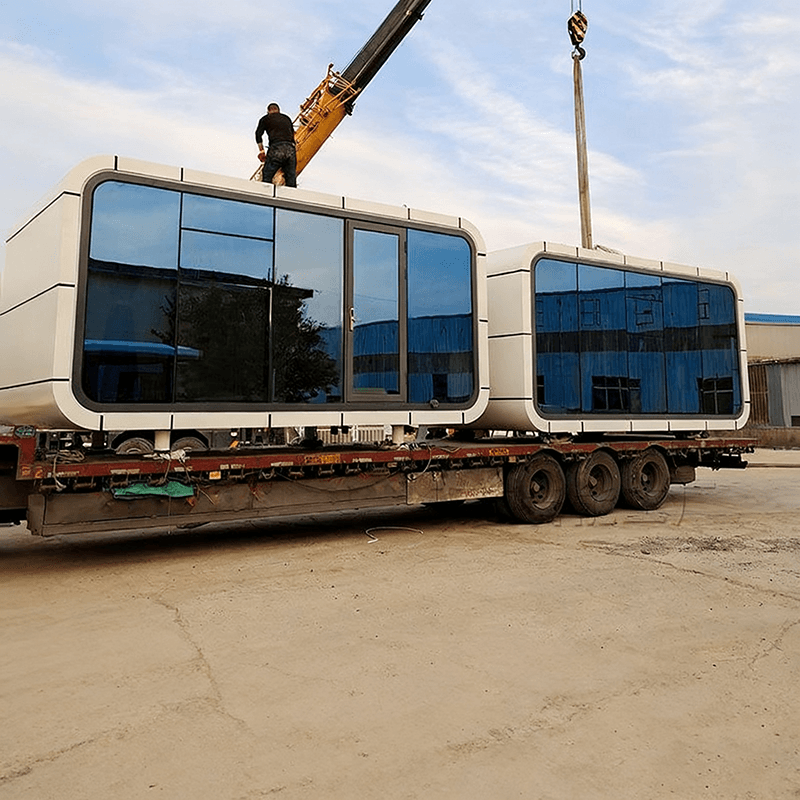
1. Modular Production Process
The production process adopts a modular design, dividing the overall structure into independent technical units, including frame construction, prefabrication of internal functional components (such as squat toilets, sinks, exhaust fans, etc.), and installation of external decorative layers. Each module undergoes independent testing before integration, such as the load-bearing capacity of the frame and the sealing of functional units, to ensure the reliability of the final product. This approach allows for parallel operations at different stages, shortening the production cycle while facilitating later maintenance and upgrades.
2. Material Selection and Process Adaptation
Material selection is strictly based on usage scenarios and functional requirements:
- Frame Materials: Primarily stainless steel or carbon steel. Stainless steel requires argon arc welding and anti-rust coating treatment, while carbon steel achieves a balance between strength and weight through lightweight design.
- Surface Materials: Mostly fiberglass or high-density plastics, which are corrosion-resistant, waterproof, and easy to clean, suitable for harsh outdoor environments.
- Collaboration Model: Some enterprises establish long-term partnerships with suppliers like Lanzhou Red Sun Stainless Steel Co., Ltd., ensuring uniform raw material specifications and reducing processing difficulty. For example, a manufacturer uses anti-slip flooring and standardizes components such as door locks and light bulbs to enhance assembly efficiency.
3. Regional Design Optimization
Qingyang is located inland with a dry climate and large temperature variations between day and night, requiring product design considerations such as:
- Thermal Insulation: By adding wall insulation layers or adopting double-layer structures, the impact of extreme temperatures on internal facilities is reduced.
- Transport Convenience: Module dimensions are designed to comply with highway transportation limits, ensuring they can be disassembled and transported by ordinary trucks.
- Usage Scenario Adaptation: For different scenarios such as construction sites and epidemic prevention centers, adjustments are made to waste disposal methods (e.g., vacuum suction or biodegradation) and internal layouts (e.g., adding partitions or barrier-free facilities).
4. Manufacturer Collaboration and Product Customization
Multiple manufacturers in Qingyang form a division of labor and collaboration system:
- Production Model: Raw material procurement, component processing (such as welding and injection molding), and final assembly and testing are completed by different specialized units, enhancing professionalism at each stage.
- Product Types: Covering portable, eco-friendly, and high-rise-specific models, supporting customization of materials (such as stainless steel or plastic), specifications (such as single or multiple toilet compartments), and colors.
- Service Scope: Through direct sales by manufacturers, the market covers Gansu Province and the entire country, offering flexible services such as 5-day delivery and a minimum order quantity of 780 units, with some products equipped with standard components like anti-slip flooring and exhaust fans.



