
Qingyang Mobile Ecological Toilet
The Qingyang mobile ecological toilet is a prefabricated sanitation facility with modular, relocatable, and ecological treatment characteristics, suitable for scenic spots, temporary events, and other scenarios, offering advantages such as flexible deployment, environmental protection, and energy conservation.
1. Product Parameters and Supply Characteristics
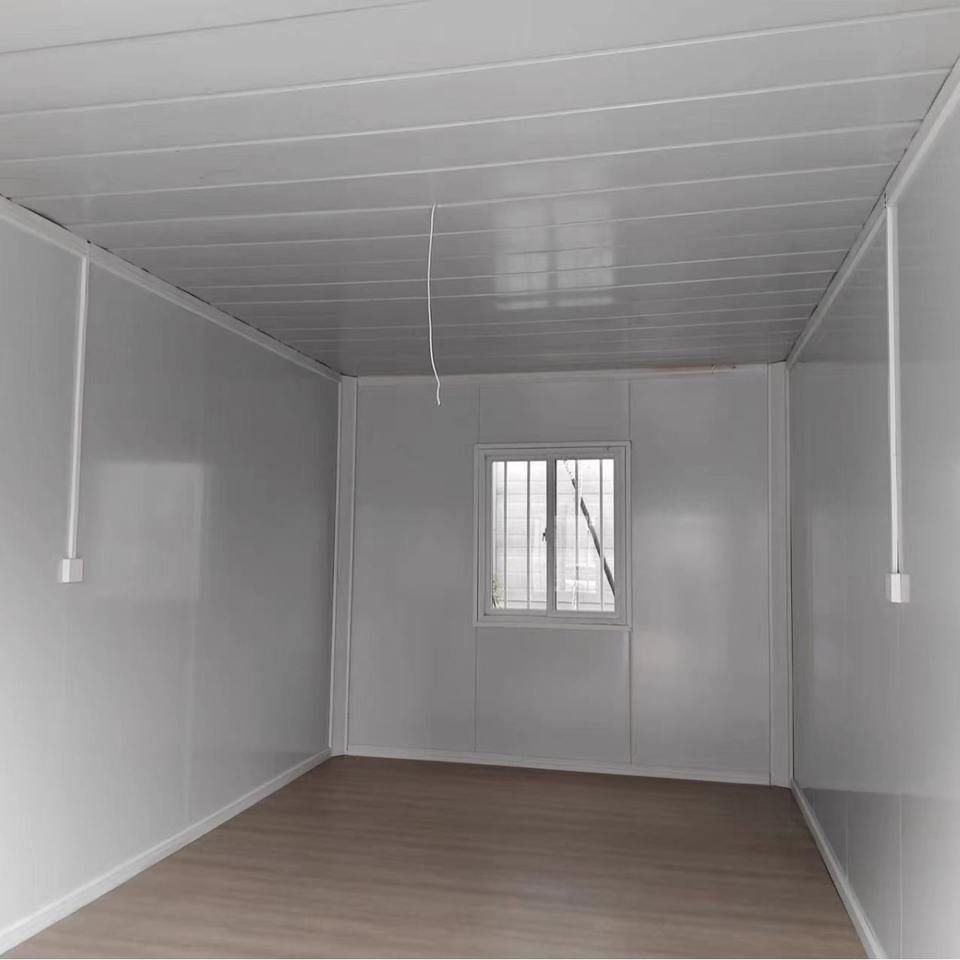
The Qingyang mobile ecological toilet adopts a direct-sales model from the manufacturer, priced at 1200 yuan per unit, with a minimum order quantity of 1 unit, a supply cycle of 5 days, and a total quantity of 780 units. Freight charges are subject to negotiation. The product materials can be customized as needed, with a full range of specifications, supporting nationwide delivery and customized processing. It offers a variety of models and color options, with exterior dimensions made according to drawings. Its core configurations include a squat toilet, sink, door lock, light bulb, exhaust fan, and anti-slip floor, classified as a prefabricated type with sound insulation functionality. The supply range covers the entire Gansu Province, including Qingyang City and its eight subordinate counties and districts such as Xifeng District, Qingcheng County, and Huan County, as well as 13 cities including Lanzhou, Jiayuguan, and Jiuquan.
2. Modular Design and Ecological Treatment Technology
The core value of this toilet lies in its modular structure and relocatability. Its main body is made of lightweight, high-strength composite materials, which are produced and basically assembled in the factory before being transported to the site for rapid assembly and fixation, facilitating hoisting and relocation. The interior space is optimized to integrate functional modules such as flushing, handwashing, and ventilation, with advanced models also equipped with waste treatment units. The ecological characteristics are reflected in the waste treatment process: through microbial degradation or biological enzyme catalysis technology, preliminary decomposition and reduction are achieved, or by combining physical separation with aerobic fermentation, organic matter is converted into a stable state, reducing dependence on sewage networks and secondary pollution during collection and transportation, with some output materials being recyclable.
3. Scenic Spot Application Considerations and Maintenance
Site selection should balance visitor accessibility with minimal impact on landscape aesthetics and ecology. The exterior design incorporates regional cultural elements or uses materials and colors that harmonize with the environment to reduce visual intrusion. Operation and maintenance emphasize low energy consumption and stability, such as utilizing solar power for electricity and rainwater collection for flushing, and establishing regular inspection and biological flora activity monitoring mechanisms to ensure continuous compliance with treatment efficiency standards.
4. Technological Development Directions
Future research will focus on improving treatment efficiency and reducing energy consumption, including developing high-efficiency composite microbial agents, optimizing the insulation and stirring structure of reaction chambers to accelerate degradation, and exploring long-term autonomous operation capabilities without external water and electricity supply, ultimately achieving a higher degree of resource closure and a lower environmental footprint.



