
Qinghe Energy-Saving Mobile Toilet Structure
The structure of the Qinghe energy-saving mobile toilet covers aspects such as the main frame, enclosure structure, functional modules, sewage treatment system, energy-saving design, materials and safety, as well as installation and maintenance, as detailed below:
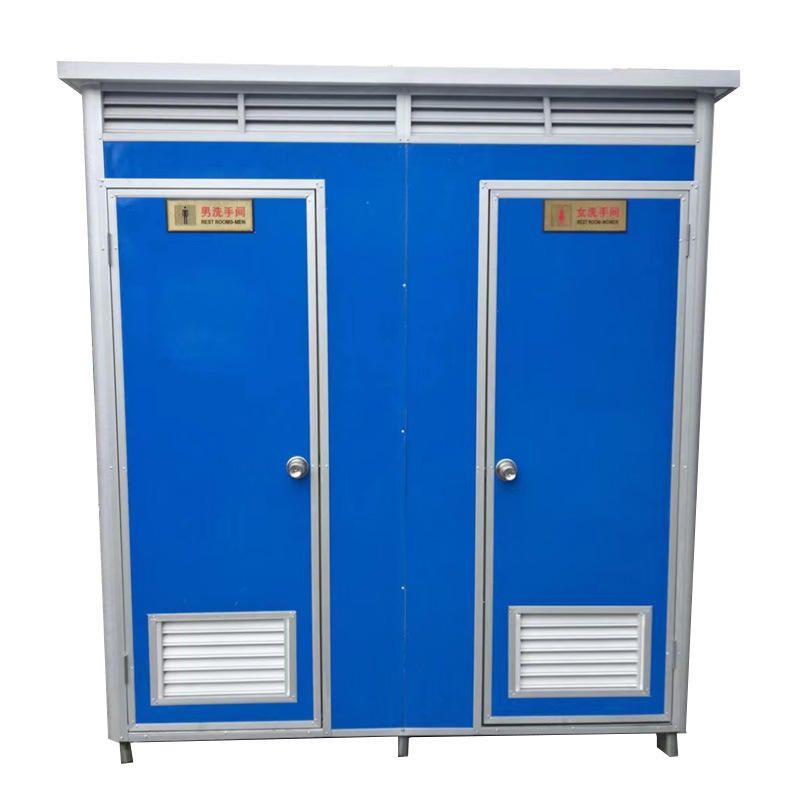
Main Frame: Typically constructed using national standard light steel keel welding, reinforced at the bottom with channel steel or I-beams, and featuring square steel columns. The surface undergoes anti-rust treatment, ensuring a service life of over 20 years. This structure guarantees both the stability and longevity of the toilet.
Enclosure Structure: Wall options include polyurethane sandwich color steel plates, metal carved panels, stainless steel plates, anti-corrosion wood, or aluminum-plastic panels, with a thickness of ≥1mm, providing fire resistance, anti-corrosion, and sound insulation. The roof is made of FRP material (fiberglass reinforced plastic), equipped with thermal insulation inside and a well-designed drainage slope outside to ensure a dry and comfortable interior. The floor utilizes FRP anti-slip flooring or anti-slip tiles, with silicone rubber strips at the edges for waterproofing and reserved sewage discharge ports for safety and practicality.
Functional Modules: These include an independent toilet pit partition treatment system (gravity flow for urine channels, piston-type scraper cleaning for feces channels), toilets (either sit-down or squat-down), washbasins, mirrors, paper towel holders, etc. Additionally, exhaust fans, lighting, and automatic flushing toilets (some models support smart sensor flushing) are equipped to enhance the user experience. Optional additions such as heating and cooling air conditioners, air purifiers, freeze protection systems, and background music are also available to meet different scenario requirements.
Sewage Treatment System: Options include water flush, circulating water flush, dry packing, or foam sealing types based on demand. Water flush relies on external water sources or built-in water tanks, directly discharging into municipal sewage networks; circulating water flush is equipped with intermittent aerobic and anaerobic treatment devices, recycling treated water for flushing; dry packing has no water flush mechanism, with excreta collected by biodegradable plastic bags; foam sealing uses foam to block odors and reduce flushing water volume.
Energy-Saving Design: Water-saving technology is employed, automatically collecting hand-washing water and adding special agents to achieve a low water volume flushing effect of 0.46 to 1.5 liters per person. The power supply system supports mains electricity connection or is equipped with a solar power system to meet the operational needs of lighting and ventilation equipment.
Materials and Safety: All materials must pass fire rating certifications, with main materials having recycling value and a long design life. Wall materials such as stainless steel plates are suitable for crowded or harsh environments, while decorative panels like carved panels can harmonize the appearance with the surroundings.
Installation and Maintenance: Factory-prefabricated finished products are hoisted into place on-site and connected to pipelines, ready for use within a few hours. Maintenance focuses on sewage system cleaning, floor cleaning, and ventilation and deodorization.



