
Mobile Sewage Disposal Methods for Public Toilets
The main mobile sewage disposal methods for public toilets include conventional flushing, vacuum sewage systems, water-storage sewage systems, direct discharge and fecal tanks, as well as other methods.
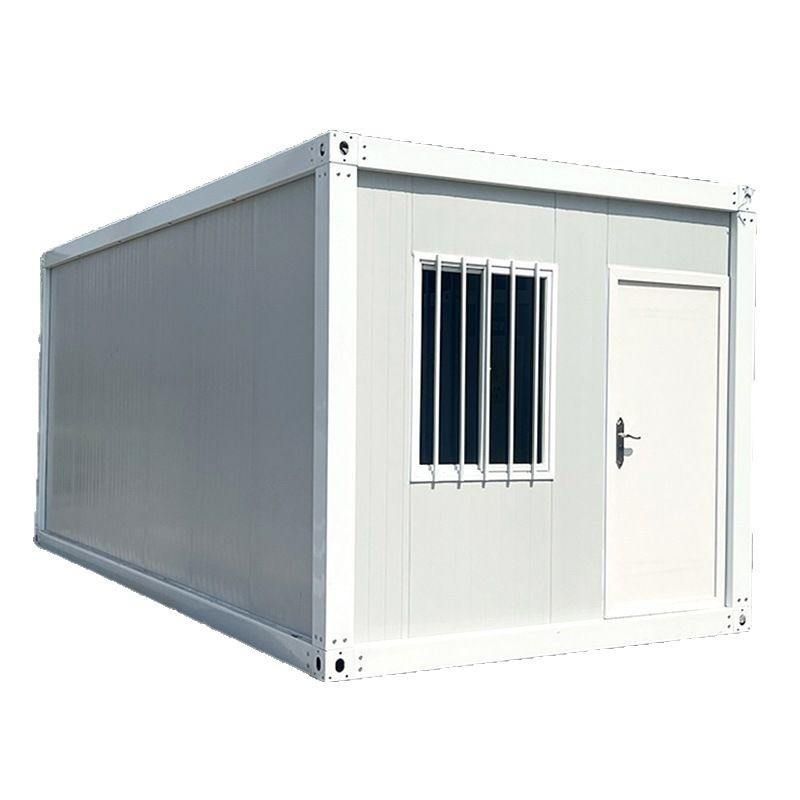
Conventional flushing is the most common method for mobile sewage disposal in public toilets. It requires connection to water supply and drainage pipes, with the sewage disposal process triggered by manual operation or automatic sensing devices. The sewage flows through the pipes to the septic tank or municipal sewer network. This method is suitable for various water-available environments, such as public toilets in cities and those near water sources in scenic spots. It has relatively low construction costs, mature technology, and simple operation, and can well meet daily sewage disposal needs.
Vacuum sewage systems utilize the principle of negative pressure for sewage disposal. A vacuum pump generates negative pressure to suck sewage and waste into a collection container. When the sewage reaches a preset water level, the vacuum pump automatically starts to discharge the sewage. This discharge method is highly efficient and uses less water, saving a large amount of water resources compared to conventional flushing. Moreover, it can effectively prevent sewage leakage and odor diffusion, maintaining a clean and hygienic toilet environment. It is suitable for places with high environmental requirements and limited water use, such as some high-end scenic spots and large-scale event venues.
The water-storage sewage system discharges waste into a storage tank through flushing. When the storage tank is full, it needs to be cleaned and replaced. This method is suitable for places with sufficient water sources and easy cleaning, such as some temporarily constructed construction site toilets and toilets in wild camping sites. Its advantages are simple structure and no need for a complex piping system, but the storage tank needs to be cleaned regularly to ensure normal use.
In the direct discharge and fecal tank method, the direct discharge method requires connection to water supply and drainage pipes to directly discharge sewage into the sewer. The fecal tank collects feces in a tank, which is cleaned regularly. This method is relatively common in toilets in some old buildings or temporary venues.
Other methods include biodegradation technology, which can convert organic matter in sewage into harmless substances for discharge, being environmentally friendly and reducing pollution. It is suitable for places with high environmental requirements. There is also the foam-sealing mobile toilet, which seals odors with foam and reduces water consumption, being a relatively new sewage disposal method.



