
Public Shed Mobile Toilet
Public shed mobile toilets are mobile toilets suitable for public places or specific shed areas, featuring advantages such as mobility, modularity, and ease of transportation, allowing for repeated use.
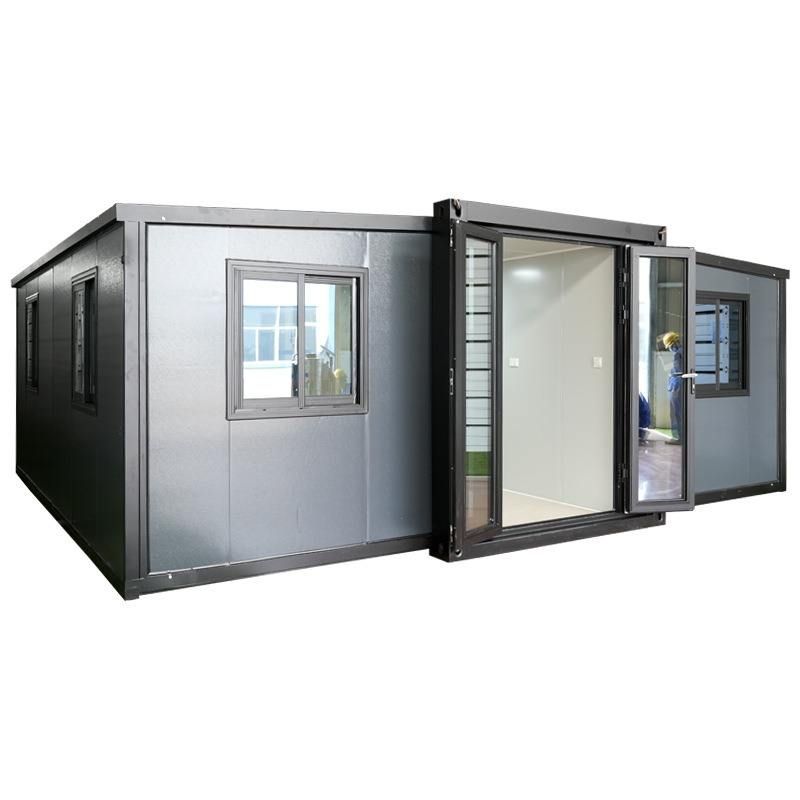
I. Basic Composition
Public shed mobile toilets generally consist of fecal sewage storage tanks (or fecal sewage treatment devices), flooring, sanitary fixtures, walls, washing facilities, water tanks, roofs, and mobile devices. These components work together to provide complete toilet services for users.
II. Classification Methods
- By structural form: They can be divided into single-structure mobile toilets and composite-structure mobile toilets. Single-structure toilets are relatively simple and suitable for smaller venues; composite-structure toilets are more complex and can meet more functional requirements.
- By mobility method: They are classified into hoisting and handling mobile toilets and powered and towed mobile toilets. The former rely on external equipment for movement, while the latter have autonomous mobility capabilities, offering greater flexibility.
- By sewage treatment method: They are categorized into water-flush and waterless suction mobile toilets, recirculating water-flush mobile toilets, and dry-packing mobile toilets. Water-flush toilets rely on a water source for flushing; waterless suction toilets use suction equipment to handle waste; recirculating water-flush toilets utilize biological treatment technology to recycle water resources; dry-packing toilets do not require a water source, with waste collected in biodegradable plastic bags that are automatically replaced and collected after use.
III. Application Scenarios
Public shed mobile toilets are suitable for stations, docks, tourist attractions, villa areas, new residential communities, large construction sites, squares, densely populated public places, and bustling commercial streets. These venues often have high demands for the flexibility and convenience of toilets, and mobile toilets can effectively meet these needs.
IV. Materials and Technology
Initially, mobile toilets were made from materials such as wood, but they have gradually evolved to use materials like fiberglass and polyethylene. The frames of mobile environmental toilets are welded from national standard steel, with surfaces covered with anti-corrosion and fire-resistant materials such as color-coated steel plates or carved panels, offering a service life of over 20 years. In terms of technology, new types of mobile toilets such as recirculating water-flush and dry-packing models continue to emerge, improving resource utilization efficiency and environmental performance.



