
Public Portable Toilet
Public portable toilets are facilities that can be moved as a whole and provide toilet services to the public, suitable for various public places, but some have privacy design flaws.
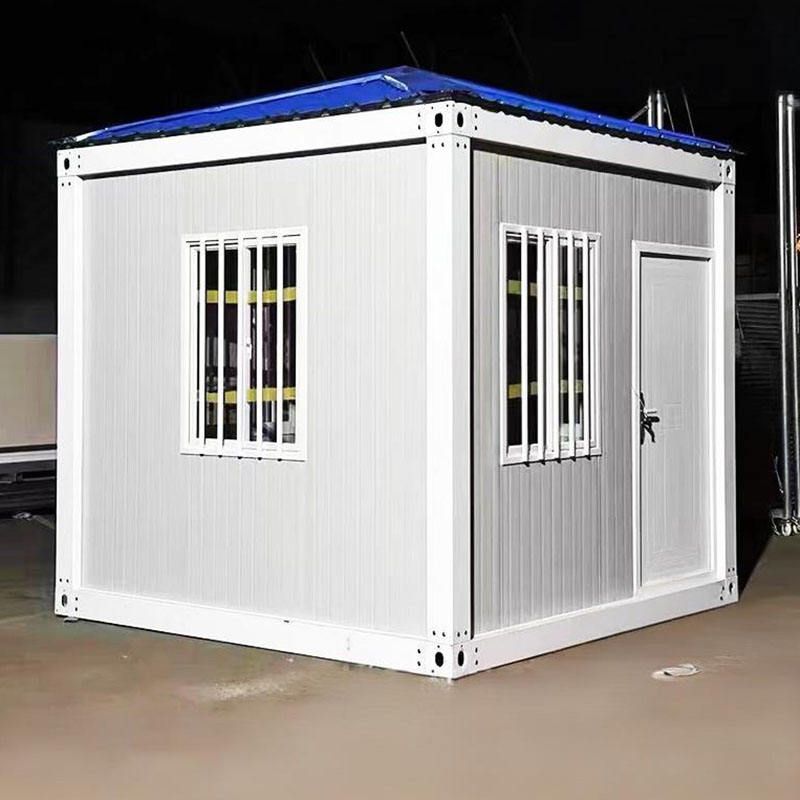
I. Basic Definition and Suitable Places A portable toilet used by the public (Portable toilet) is a sanitary facility that can be moved as a whole. It is usually set up in areas such as stations, docks, tourist attractions, densely populated public places, and bustling commercial streets to meet toilet needs in temporary or fixed scenarios. Its core function is to achieve rapid deployment and flexible adjustment through modular design, especially suitable for scenarios where traditional fixed toilets are difficult to cover or where there is a sudden increase in pedestrian traffic.
II. Structural Composition and Classification The structure of a portable toilet usually includes modules such as a fecal sewage storage tank (or disposal device), floor slab, sanitary ware, walls, washing equipment, water tank, roof, and moving device. According to different standards, they can be divided into three categories:
- Structural form: Divided into single-unit structures (independent units) and composite structures (multi-unit combinations);
- Moving method: Including lifting/handling types (requiring external equipment for movement), powered/trailer types (with their own power or can be towed by vehicles);
- Sewage treatment method: Covering flush toilets (relying on water for flushing), non-flush suction types (collecting feces through vacuum or negative pressure), circulating flush types (water recycling), and dry packing types (using degradable bags to directly package feces).
III. Existing Problems and Improvement Directions Although portable toilets have the advantage of flexibility, some designs have privacy protection flaws. For example, there have been cases where the transparent windows of some portable toilets were not equipped with coverings, resulting in the upper bodies of the public being exposed to external views while using the toilet, and the embarrassment was exacerbated when there was a large flow of people around. Such problems reflect the lack of human-centered design in some products and need to be improved in the following ways:
- Optimize window design: Use materials such as frosted glass, blinds, or adjustable curtains to balance lighting and privacy needs;
- Strengthen spatial isolation: Reduce the possibility of internal activities being observed from the outside through reasonable layout or the addition of partitions;
- Improve regulatory standards: Formulate design specifications for portable toilets, clarify privacy protection requirements, and avoid functional deficiencies due to cost compression.



