
Public Mobile Toilet Procurement
The procurement of public mobile toilets requires a comprehensive consideration of factors such as project requirements, budget, specifications, technical standards, and the service capabilities of manufacturers. The following provides an explanation from three aspects: procurement cases, technical characteristics, and manufacturer selection.
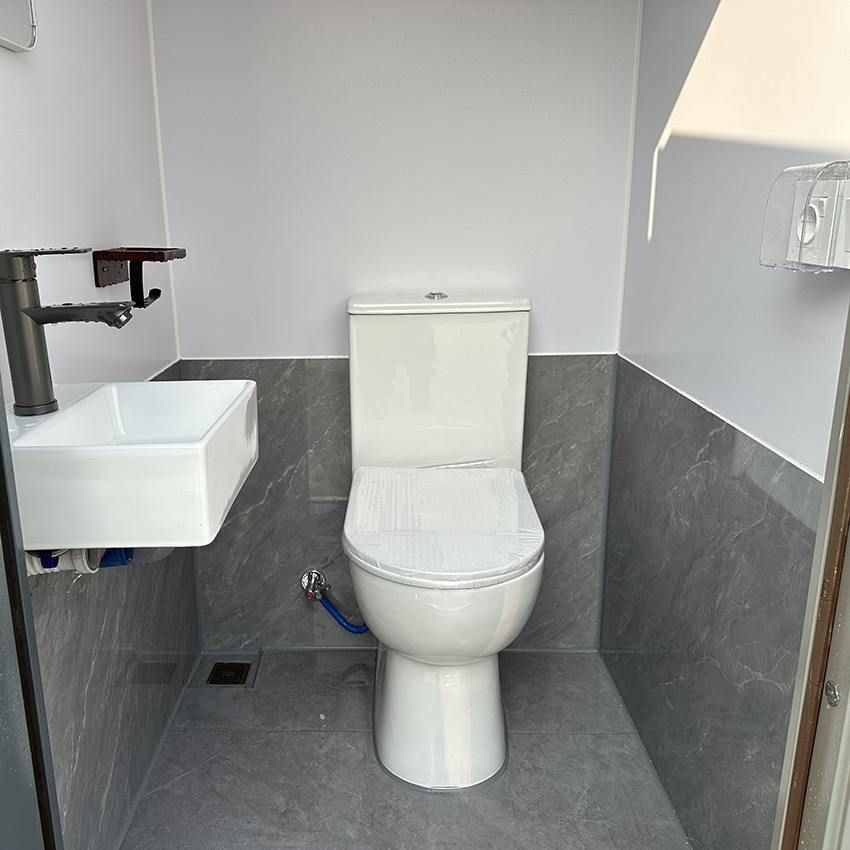
I. Procurement Case References
Tangwang County Municipal Sanitation Service Center Project: This project procured mobile toilets from the Shenglonghua brand, including three specifications:
- Small (24.8㎡): Priced at 170,000 yuan each, suitable for areas with low foot traffic;
- Medium (23.5㎡): Priced at 235,000 yuan each, with more comprehensive functional configurations;
- Large (39㎡): Priced at 583,000 yuan each, including multiple squatting positions and comprehensive service modules.
The total project amount was 988,000 yuan, and the winning bidder was Bokun (Heilongjiang) Intelligent Equipment Manufacturing Co., Ltd. This highlights the importance of paying attention to the regional service capabilities of manufacturers.
Ningde City Jiaocheng District Project: With a budget of 1.3 million yuan, this project procured five mobile toilets, requiring delivery within 20 days, with locations covering scenic spots, roadsides, and other scenarios. Among them, one was a small unisex toilet, and the rest were standard configurations, demonstrating the importance of customization according to scenarios.
II. Technical Characteristics and Specifications
- Modular Design: Urban smart public toilet stations adopt a combination of three parts: the main structure (light steel structure/composite materials), internal functional modules (squatting positions, handwashing stations, etc.), and smart systems (IoT management, solar power supply), supporting rapid deployment and environmental protection and energy conservation.
- Technical Standards: The industry refers to the "Urban Public Toilet Design Standard" (CJJ 14) and local smart city construction guidelines, with a focus on structural safety, hygiene and ease of cleaning, and smart system compatibility. For example, some products are equipped with rainwater harvesting devices to adapt to different environmental conditions.
- Applicable Scenarios: Covering parks, scenic spots, transportation hubs, etc., the prefabricated construction period is short (a few weeks), and customization and adjustments can be made according to the site's water supply and drainage and power conditions, reducing the impact of construction on the surrounding area.
III. Manufacturer Selection Recommendations
- Case Verification: Prioritize manufacturers with successful cases, such as Dezhou Hongtu Metal Products Co., Ltd., which customized a 12-meter-long, 3-meter-wide, 12-squatting-position mobile toilet for a Tianjin customer, demonstrating its large-scale production capabilities.
- Service Capabilities: Examine whether the manufacturer can provide full-process services from design, production to installation, as well as response speed (such as the 20-day delivery requirement in the Ningde project).
- Technical Compliance: Confirm that the products comply with national and local standards, with a focus on core indicators such as structural stability and smart system functions (such as remote monitoring and energy consumption management).



