
Materials and Uses of Public Mobile Toilets
Common materials used in public mobile toilets include color-coated steel plates, stainless steel, FRP (fiberglass reinforced plastic), wood materials, and plastics, with their uses varying based on material properties.
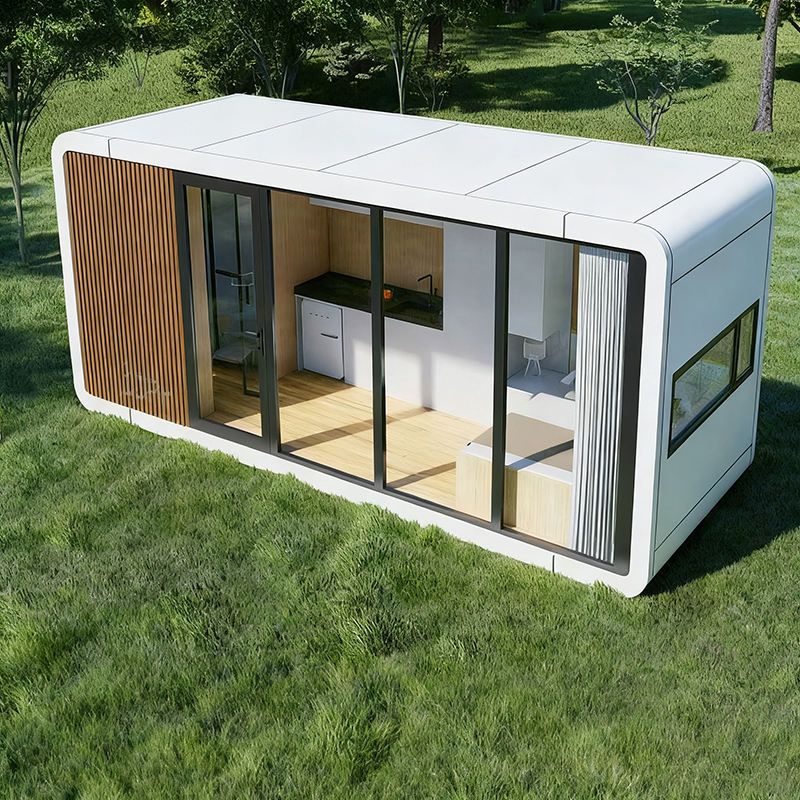
Color-coated steel plates are composed of color-coated steel sheets and core materials such as foam or rock wool, offering advantages such as light weight, easy installation, and low cost. Their suitability for temporary use makes them the preferred choice for construction sites, temporary event venues, and other scenarios where rapid setup and short-term use are required, while also reducing transportation and installation costs.
Stainless steel materials are renowned for their high strength, corrosion resistance, and durability, with a modern and simple appearance that maintains cleanliness over time. These materials are suitable for public places such as parks, squares, and scenic spots that demand high hygiene standards and aesthetic appeal, effectively resisting natural environmental erosion, reducing maintenance frequency, and extending service life.
FRP (fiberglass reinforced plastic) is made from glass fibers and synthetic resins, combining properties such as light weight, high strength, corrosion resistance, and aging resistance. Its mold-forming process allows for complex shape designs, making it suitable for temporary large gatherings, construction sites, and natural disaster emergency scenarios. This material supports lifting, shoveling, and manual handling, and is equipped with a fecal visual isolation system, independent water tank, and natural lighting roof inside, featuring UV resistance, easy cleaning, and other functions. It can be relocated by just 3-4 people, meeting the demand for rapid deployment.
Wood materials typically undergo anti-corrosion treatment, retaining natural textures while possessing insect and decay resistance. Their warm visual effect blends seamlessly with the natural environment, commonly found in parks, resorts, and beautiful rural areas, providing tourists with a toilet experience close to nature and aligning with the construction concept of eco-tourism.
Plastic materials excel in weight control, corrosion resistance, and seasonal adaptability through modular design and standardized production. Mobile toilets in the Beijing area adopt a combined structure of metal frames and plastic panels, ensuring both load-bearing strength and reduced cleaning and maintenance costs. The snap-fit connection design of plastic components facilitates replacement, and after retirement, they can be downgraded and recycled for municipal facilities such as green fences, achieving efficient resource utilization. Their smooth inner walls reduce dirt adhesion, and the independent water tank design reduces reliance on external water supply, making them suitable for arid or water-scarce regions.



