
Public Mobile Toilet Installation
The installation of public mobile toilets should be carried out according to type, requirements, and specifications. The key points are as follows:
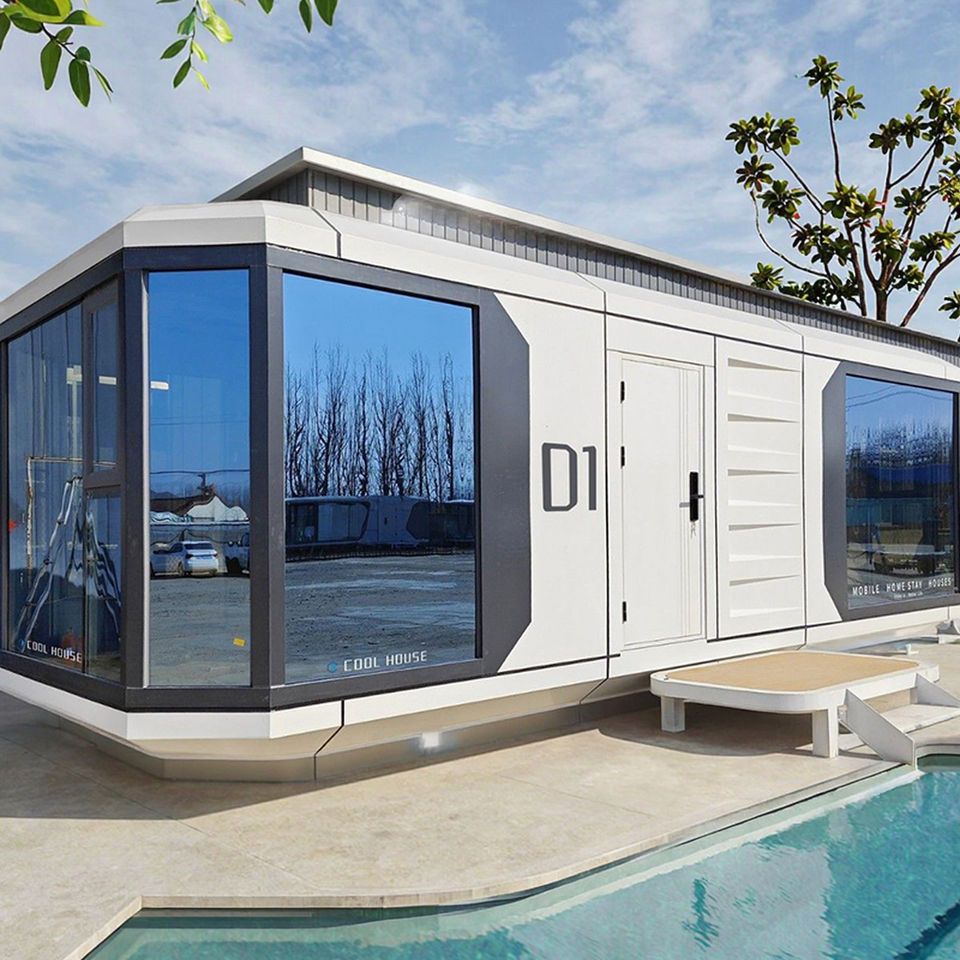
1. Type Selection and Planning Public mobile toilets can be classified by structural form into single-unit structures (independent units) and composite structures (multi-unit combinations); by mobility into hoisting/handling types (requiring mechanical assistance) and powered/trailer types (capable of self-movement or towing); and by sewage treatment method into flush types (requiring a water source), non-flush suction types (relying on vacuum or gravity collection), and recirculating flush types (where wastewater is purified and reused). Before installation, select the appropriate type based on site conditions (such as space and water/electricity access), usage frequency, and budget. For example, powered trailer types are suitable for scenic spots, while hoisting types are suitable for temporary event venues.
2. Installation Materials and Tool Preparation Taking a 2+1 toilet (2 toilet stalls + 1 sink) as an example, the exterior wall typically uses metal carved panels, which offer fire resistance, thermal insulation, and moisture resistance. The internal structure requires lightweight, high-strength materials (such as aluminum alloy frames). Essential tools include electric drills, 4.2mm drill bits, rivet guns, spirit levels, tape measures, etc., used for fixing panels, assembling slots, and adjusting levelness. If water and electricity access are involved, PPR pipes, wires, connectors, and other accessories should also be prepared.
3. Installation Steps and Specifications
- Foundation Preparation: Ensure the ground is level. If the foundation is soft soil, pour a concrete pad to prevent settlement.
- Frame Assembly: Assemble the aluminum alloy frame according to the design drawings, using bolts or rivets to secure it and ensure structural stability.
- Panel Installation: Insert the metal carved panels into the slots, align them, drill holes (spacing approximately 30-50 cm), insert rivets, and tighten them. Ensure that the seams between panels are sealed to prevent water leakage.
- Functional Module Installation: Install toilet stalls, toilets/squat pans, sinks, lighting, and ventilation equipment in sequence. Flush types require connection to water inlet and outlet pipes, while recirculating types require installation of purification devices.
- Commissioning and Acceptance: Check that doors and windows open and close properly, water and electricity functions are normal, and the sewage system operates correctly. Ensure there are no odor leaks or water accumulation on the floor.
4. Advantages and Customization Mobile toilet installation does not require complex civil engineering work and can be quickly deployed (usually completed in 1-3 days). It also supports functional customization (such as adding barrier-free facilities and baby changing stations) and aesthetic customization (colors and patterns that coordinate with the surrounding environment). The number of toilet stalls can be flexibly adjusted according to visitor traffic, such as adding temporary units during peak periods.
Regular maintenance (such as cleaning the sewage tank and checking equipment operation) is required after installation to extend service life and ensure hygiene conditions.



