
Production of Container Modular Housing
Production of container modular housing uses containers as basic units, which are combined and assembled to form modular buildings, featuring standardized design, industrial production, and prefabricated construction as core characteristics.
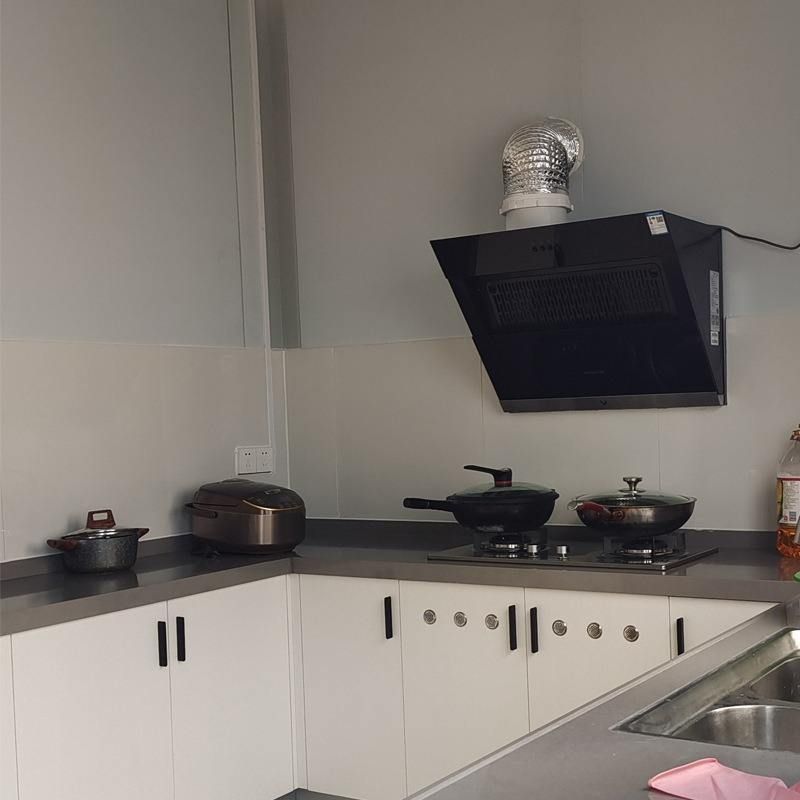
Design and Material Characteristics
Container modular housing adopts a standardized design, industrial production, and prefabricated construction model. The main structure, interior decoration, and equipment pipelines are all prefabricated in the factory and quickly assembled on-site in a “building block” manner. Its core materials are corrosion-resistant steel plates and eco-friendly panels, combined with shipbuilding anti-corrosion technology. The steel frame structure ensures strength, with a service life of over 20 years. It supports customized designs in standard sizes ranging from 20 to 60 feet to meet different scenario requirements.
Production Advantages
- Short Cycle: The construction period is reduced by over 50% compared to traditional buildings. For example, the traditional construction of the MRDC modular hotel project in Papua New Guinea would take 14-18 months, while the modular solution took only 7 months.
- Low Cost: It eliminates the need for large quantities of building materials and complex construction techniques, resulting in significantly lower construction costs than traditional brick-and-mortar structures.
- Controllable Quality: Standardized CNC cutting in the factory reduces material waste to only 3%-5%, far lower than the 8%-12% waste rate on traditional construction sites.
- Flexible and Recyclable: The housing can be disassembled and transported to a new location for reassembly. The interior space can be flexibly divided according to needs, adapting to both temporary and permanent requirements.
Technological Iteration and Application Areas
Technologically, new systems such as MiC (Modular Integrated Construction), C-MiC (Concrete Modular Integrated Construction), and SMC (Steel Modular Construction) have been developed, transferring over 90% of the processes to the factory for further efficiency improvements. The application areas are extensive, covering residential, office, emergency facilities, tourist accommodations, commercial pop-ups, overseas engineering camps, schools, and permanent housing scenarios.
Policy and Market Prospects
Against the backdrop of China's policies promoting new building industrialization and green development, the container modular housing industry, relying on a complete supply chain and innovative design, has strong competitiveness in the international market. For example, Guangzhou City introduced measures in 2026 to accelerate the development of modular construction and issued a notice on full-process quality control, providing support for industry standardization.



