
Process Mobile Environmental Toilet
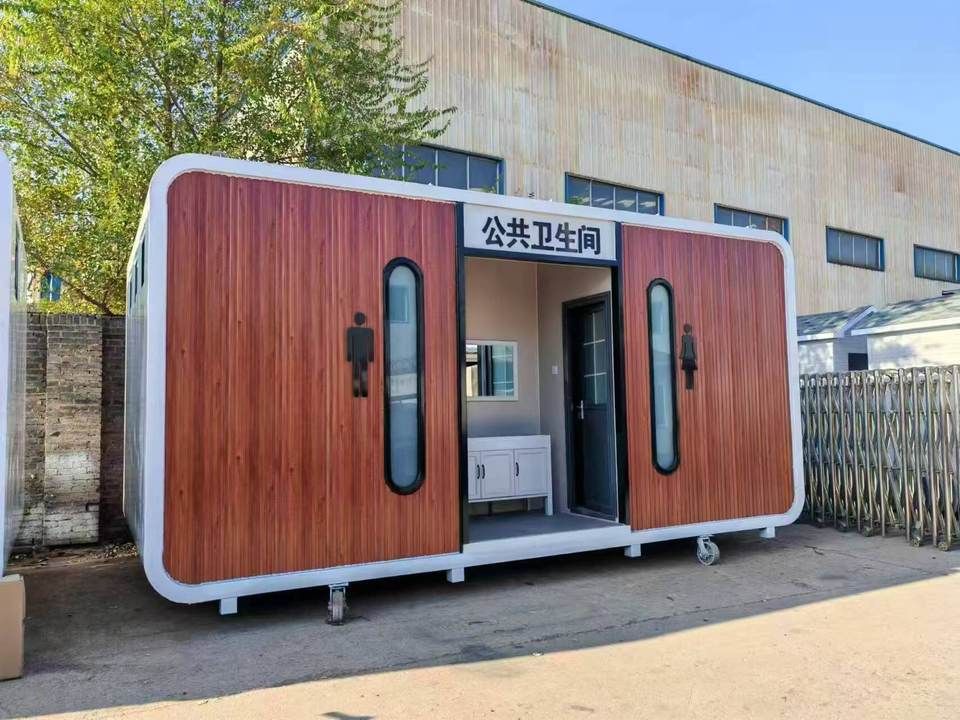
Mobile environmental toilets are movable and modular toilet facilities that utilize environmental protection technologies to achieve water conservation and resource recycling. The processes include waterless flushing, foam sealing, and water flushing, with some products equipped with intelligent systems.
Core Process Types
- Waterless Flushing: This process treats excreta through microbial degradation technology without the need for water flushing. After feces are mixed with special bacteria, they decompose into harmless substances in a bioreactor and are ultimately converted into organic fertilizer. This process offers significant water-saving benefits and is suitable for water-scarce areas or temporary event settings, but requires regular maintenance of bacterial activity.
- Foam Sealing: This method uses a foaming agent to generate foam that covers the toilet surface, forming a sealed layer to prevent odor diffusion. Excreta fall into a collection tank below, with foam reducing flushing water to less than 1/10 of that used by traditional toilets. This process combines water-saving and deodorizing functions but requires regular replenishment of the foaming agent, and foam stability is affected by temperature.
- Water Flushing: This process employs a recirculating water system that purifies sewage through biological filters or membrane filtration technology, enabling water reuse. The treated water can be recycled for toilet flushing or green irrigation, reducing freshwater consumption. This process provides a user experience similar to traditional toilets but requires supporting sewage treatment equipment, resulting in higher initial costs.
Intelligent System Configuration
Some high-end products integrate intelligent management modules:
- Bottom-level PLC Data Acquisition System: This system monitors toilet occupancy status, water and electricity consumption, and equipment failures in real time, providing data for operation and maintenance.
- 40-inch LED Toilet Occupancy Monitor: This monitor dynamically displays toilet occupancy, guiding users to quickly find available stalls and improving usage efficiency.
- 4G Remote Monitoring Module: This module supports remote control of lighting and flushing systems via a mobile app and receives abnormal alerts (such as overflow or equipment failure), enabling unattended management.
Application Scenarios and Advantages
Mobile environmental toilets are widely used in tourist attractions, construction sites, large-scale events, and disaster relief areas due to their flexibility. Their core advantages include mobility (rapid deployment and removal), environmental protection (water conservation and pollution reduction), and intelligence (reduced labor costs). With technological advancements, some products also incorporate innovative designs such as solar power supply and negative pressure deodorization, further optimizing user experience and environmental performance.



