
Mobile Toilets in Private Houses
Setting up mobile toilets in public areas of private houses, such as rooftop terraces, constitutes illegal construction.
I. Basis for Determining Illegal Construction
According to Article 40, Paragraph 1 of the Urban and Rural Planning Law of the People's Republic of China, any unit or individual undertaking the construction of buildings or structures must obtain a construction project planning permit in accordance with the law. If a mobile toilet is installed on public areas such as the rooftop terrace of a private house without obtaining the relevant approval procedures, it constitutes illegal construction. For example, a resident in a certain community in Shanyang Town, Jinshan District, illegally installed a mobile toilet on the rooftop terrace. Due to the lack of planning permission and the potential safety hazard of falling objects, it was deemed suspected of being illegal.
II. Legal Usage Conditions for Mobile Toilet Products
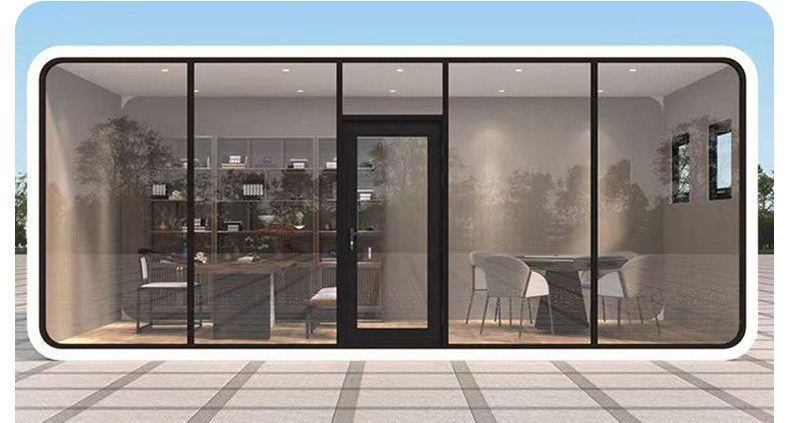
There are various cost-effective mobile toilet products available on the market, such as the gray and white model produced by Taihe Mobile Toilets, which is designed with 8 squatting positions and equipped with independent water and electricity fixtures; or the small gray Apple Pod mobile toilet, which is welded with thickened steel and has an outdoor service life of over 15 years. However, regardless of how well-functioning the product is, its legality depends on whether it has passed planning approval. If installed in public areas without approval, even if the product itself meets quality standards, it still falls under the category of illegal construction.
III. Legal Consequences of Illegal Construction
Illegal construction may face administrative penalties, including orders to demolish within a specified time limit, restore to the original state, and impose fines. If the construction affects the implementation of urban planning or poses safety hazards, more serious legal liabilities may be incurred. For example, illegally installing a mobile toilet on a rooftop terrace may threaten building safety due to structural load-bearing issues or affect the public environment due to improper sanitation management.
IV. Compliance Recommendations
If there is a need to install a mobile toilet in a private house area, one should first consult with the local planning department about the approval process to ensure compliance with urban and rural planning requirements. For temporary needs, legal avenues such as negotiating with the community or applying for public toilet facilities can be explored to avoid legal risks arising from unauthorized construction.



