
Is It Good to Lay a Floor in a Prefabricated Slab House?
It is feasible to lay a floor in a prefabricated slab house, but attention must be paid to construction details and material selection; otherwise, issues such as cracking and deformation may occur.
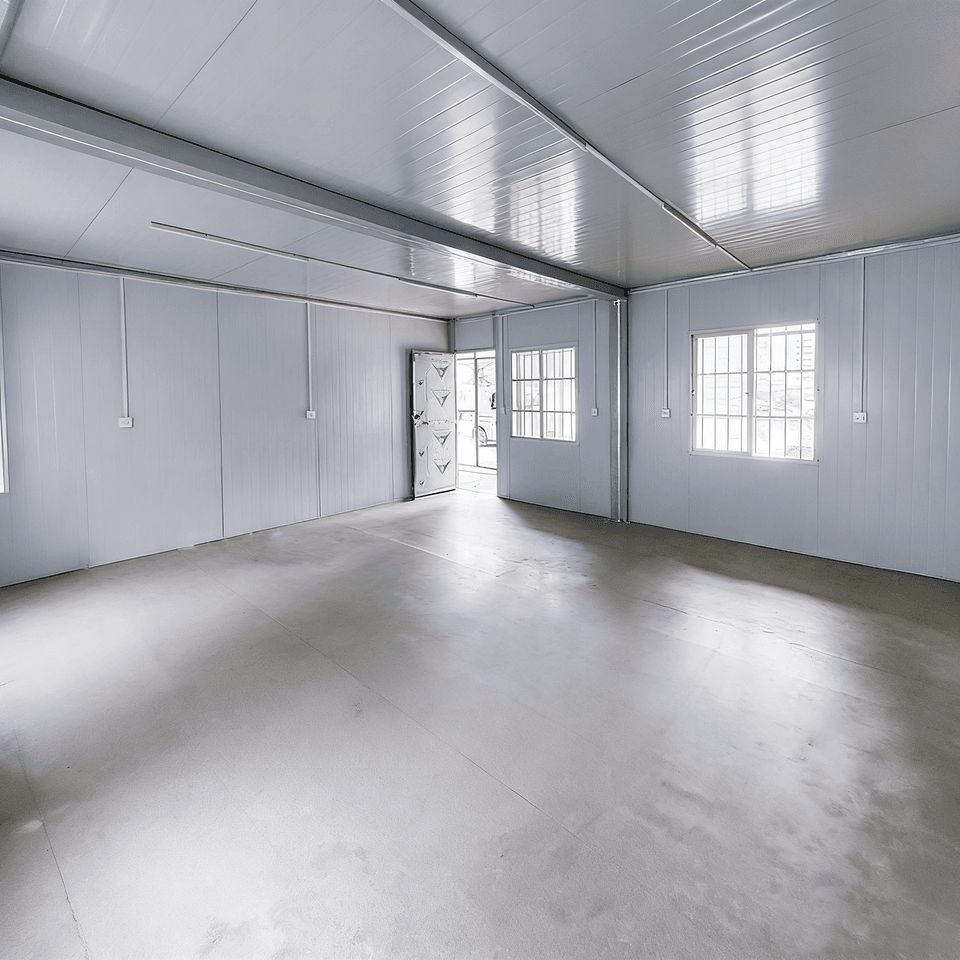
I. Key Conditions Before Construction
Select Appropriate Cement
It is recommended to use regular cement or high-strength cement to ensure the floor's strength and durability. Ordinary cement may result in a fragile floor due to insufficient strength, while high-strength cement can better meet the load-bearing requirements of prefabricated slabs and reduce the risk of cracking later on.Strengthen Foundation Treatment
Although the surface of prefabricated slabs is smooth, inadequate foundation treatment requires sanding or polishing with sandpaper or a polishing cloth until the surface is clean and smooth, removing dust and oil stains. If there are uneven areas on the surface, they should be leveled with cement mortar to prevent floor distortion caused by an uneven base.Conventional Construction Method
Pour the cement from the center of the room outward to ensure even distribution. Before construction, the surface of the prefabricated slab should be sprayed with water to enhance the adhesion between the cement and the base and prevent hollow areas.
II. Precautions During Construction
Keep the Surface Moist
Continuous water spraying for curing is necessary before the initial setting of the cement to prevent rapid surface drying and cracking. Spray water every 2-3 hours within 24 hours after construction and keep the surface moist for the next 3 days. Covering with plastic film or wet burlap can reduce water evaporation.Secondary Foundation Treatment Enhancement
In addition to the initial sanding, a bonding agent can be applied before pouring to enhance the adhesion between the cement and the prefabricated slab. If there are cracks in the prefabricated slab, they should be repaired with epoxy resin first to prevent the cracks from reflecting onto the floor layer.Material Ratio and Thickness Control
The recommended ratio of cement to sand is 1:3, with a water-cement ratio not exceeding 0.5 to avoid insufficient strength due to improper ratios. The floor thickness should be controlled between 3-5 centimeters; too thin a layer is prone to cracking, while too thick a layer increases the load pressure on the prefabricated slab.
III. Long-Term Maintenance Recommendations
After construction, avoid immediate heavy pressure or scratching with sharp objects. It is recommended to wait 28 days (the full hardening period of the cement) before normal use. If minor cracks appear on the floor, they can be repaired with a cement-based filler; if the cracks are wide or accompanied by settlement, check the structural stability of the prefabricated slab and contact professionals for reinforcement if necessary.
Summary: Laying a floor in a prefabricated slab house requires strict control over material selection, foundation treatment, and construction techniques. By maintaining moist curing and structural reinforcement, the risk of cracking can be reduced, ensuring a flat and durable floor.



