
Is Prefabricated Slab Building Safe?
Prefabricated slab buildings have numerous safety hazards and are not safe. This is reflected in the following aspects:
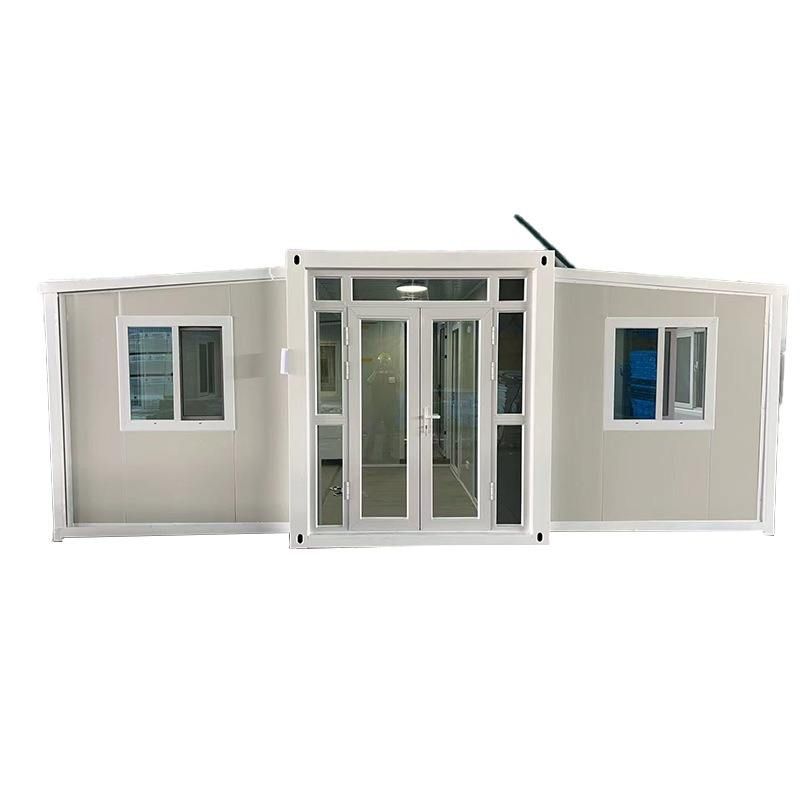
Low structural strength and poor earthquake resistance: Prefabricated slab houses are assembled from individual prefabricated slabs. This structure lacks firmness and toughness. Most prefabricated slabs are designed with hollow interiors, and the quantity and distribution of steel bars are not as scientifically reasonable as those in cast-in-place houses, resulting in extremely poor earthquake resistance. Under slight vibrations, the joints between the floor slabs may loosen. Over time, cracks in the building will increase and widen, and it may even lead to the collapse of the entire building. In the face of natural disasters such as earthquakes, the safety precautions of prefabricated slab houses are clearly inadequate and cannot provide effective protection for residents.
Short service life: The designed service life of prefabricated slab houses is about 30 to 50 years. However, many prefabricated slab houses were built in the 1970s to 1990s and are now approaching or have exceeded their intended service lives, showing signs of aging. A significant number of older prefabricated slab houses have been identified as "dangerous buildings". Repairing them is difficult and costly, posing great safety hazards and economic burdens to residents.
Wall cracks and easy water leakage: Over time, the walls of prefabricated slab houses are prone to cracks, and ceiling water leakage is also a common occurrence. The originally sturdy structure becomes precarious. Top-floor residents often face water leakage in their homes on rainy days and have to use basins to catch the water, seriously affecting their normal lives.
Poor thermal insulation, cold in winter and hot in summer: The thermal insulation performance of prefabricated slab buildings is poor. In extreme weather conditions, cold air can seep in through wall cracks and around doors and windows in winter, and residents may still feel cold at night even when covered with thick quilts. In summer, when outdoor temperatures soar, the interiors become unbearably hot, and residents need to use air conditioners and other cooling equipment for long periods, increasing living costs.
Poor sound insulation: Many residents report that they can clearly hear their neighbors' voices in prefabricated slab houses, which seriously affects residents' privacy and quality of life.
Difficult to adjust the internal structure: Unlike modern commercial housing, prefabricated slab houses almost do not allow large-scale modifications. Every wall may be related to the overall structure, making it difficult for residents to customize their living spaces according to personal needs, limiting living comfort and personalization.
Risk of water seepage: Cracks in cement components and increased gaps between components increase the risk of water seepage between floors, causing unnecessary disputes and losses to residents.



