
Prefabricated Panel Structure Housing
Prefabricated panel structure housing is a type of building constructed primarily using prefabricated panels, featuring specific characteristics, a development history, and a current status.
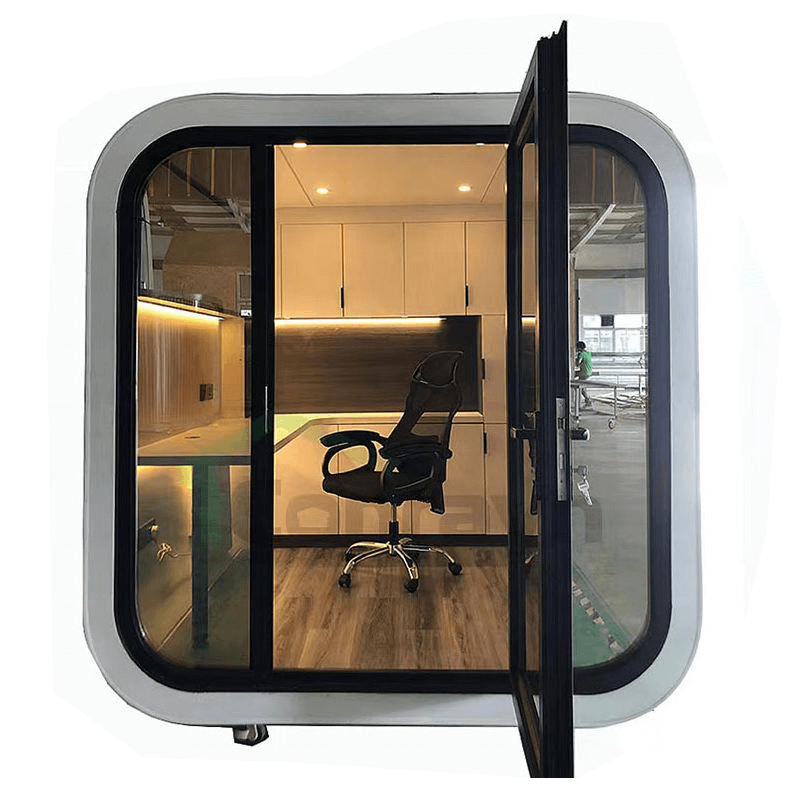
Components and Types of Prefabricated Panel Structure Housing
Prefabricated panels are cement components manufactured in factories. During production, a wooden model is first nailed together, followed by the placement of steel reinforcement and the pouring of cement to form the panel. These panels come in two types: solid and hollow. The hollow structure achieves lightweighting by reducing the amount of concrete in non-load-bearing parts.
Development History and Application Scenarios
This building form originated in the early 20th century and was primarily used for floor slabs and roof insulation layers. In China, residential buildings constructed before 1985 often adopted this type of structure.
Existing Problems
- Weak Earthquake Resistance: For example, during the 2008 Wenchuan earthquake, most of the collapsed buildings were of prefabricated panel structure. In the Longyuan community in Tongling, Anhui Province, a building collapsed, and from the cross-section, it was evident that prefabricated panels had been used.
- Poor Sound and Heat Insulation: This is a common issue in existing prefabricated panel houses, affecting living comfort.
- Limited Service Life: Generally, the service life is about 30 to 50 years.
- Increased Risk with Higher Floors: This structure poses relatively lower risks in low-rise buildings but becomes increasingly risky as the number of floors increases. If homeowners lack knowledge of construction and knock down a wall during renovation, the panels may fall.
Replacement and Development
With the advancement of construction technology, cast-in-place concrete and prefabricated buildings are gradually replacing traditional prefabricated panel houses. Prefabricated buildings use modular factory-prefabricated components. For instance, CMC (Composite Modular Construction) buildings enhance earthquake resistance through integrated steel-concrete pouring, reducing construction time by 30% compared to traditional methods. Since 2022, China has implemented renovation policies for old residential buildings, focusing on repairing and upgrading prefabricated panel houses and only demolishing those that meet the criteria for dangerous buildings. However, "prefabricated houses" mainly come in three forms: steel, concrete, and wood. Chinese companies have comparative advantages in steel and concrete structures. Steel structures are lightweight, suitable for overseas transportation and high-rise buildings, while concrete structures offer a more traditional living experience and are more widely accepted in the domestic market, with both technological routes developing in parallel.



