
Evaluation of Prefabricated Panel Structure Houses
The evaluation of prefabricated panel structure houses is primarily based on the national standard 'Dangerous House Appraisal Standard' JGJ 125-2016. It divides houses into four safety levels (A, B, C, and D) through three core aspects: structural safety, public facilities, and unauthorized modifications, providing a basis for subsequent repairs or renovations.
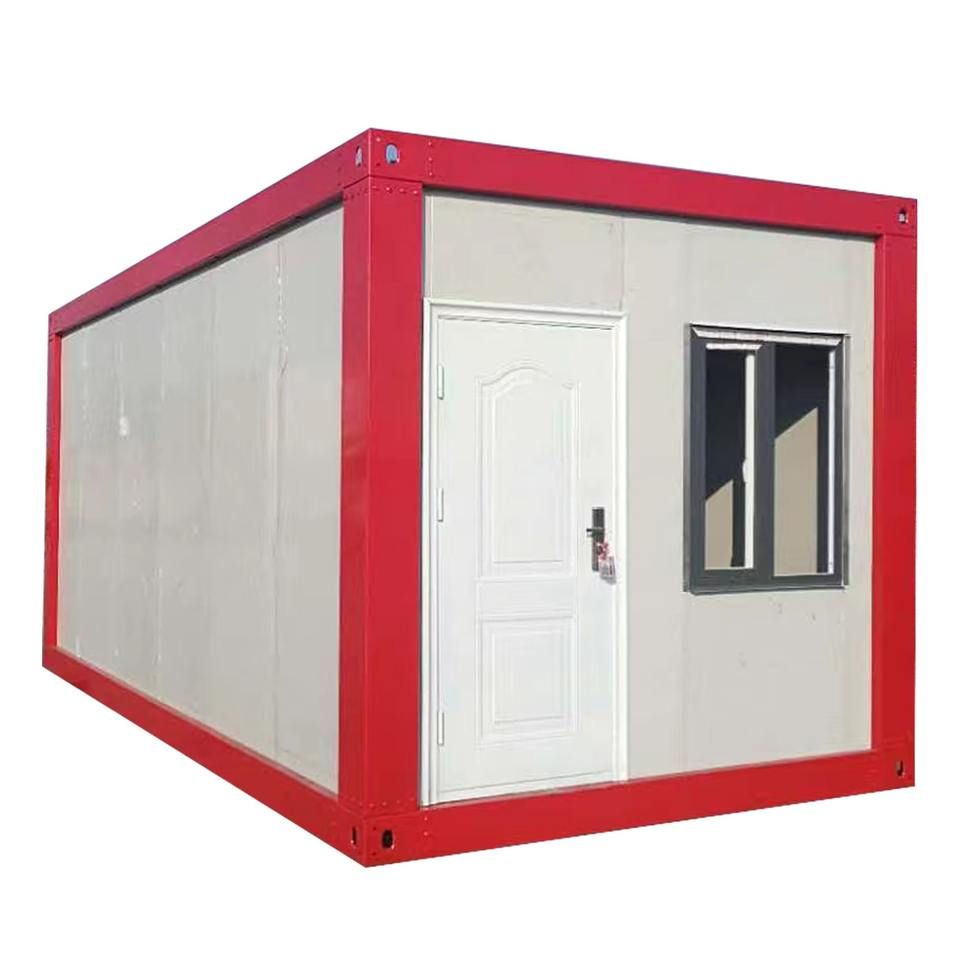
I. Safety Level Classification Criteria
According to the national standard, the safety levels of prefabricated panel structure houses are divided into four categories:
- Level A: The structural load-bearing capacity meets normal usage requirements, with no dangerous components, indicating a safe state.
- Level B: Some structural components have aging hazards (such as minor cracks in walls and local corrosion of steel bars), but they do not affect the safety of the main structure and require regular monitoring.
- Level C: Some load-bearing structures (such as joints of prefabricated panels and beam-column nodes) show significant damage, posing local risks and requiring immediate reinforcement.
- Level D: The load-bearing structure has severely failed (such as foundation settlement and large-scale cracks in walls), and the entire house is in a dilapidated state, requiring demolition or original-site reconstruction.
II. Core Evaluation Aspects
Structural Safety Inspection
- Foundation and Base: Check for foundation settlement or cracking and whether the base is corroded or displaced.
- Walls and Floor Slabs: Observe whether wall cracks are through-going and whether deformation is significant; check for floor slab deflection, elasticity, or through-going cracks at joints (with a focus on inspecting joints of prefabricated panels).
- Steel Bar Corrosion: Use instruments to detect the degree of steel bar corrosion, as corrosion can lead to a decrease in structural load-bearing capacity.
Public Facility Inspection
- Aging of Pipelines: The design standards for water and electricity pipelines in prefabricated panel buildings from the 1980s were relatively low, necessitating checks for issues such as water leakage, tripping, and sewer blockages.
- Waterproofing Failure: Aging of the waterproofing layer in areas such as roofs and bathrooms may lead to leakage, affecting the structural durability.
- Fire Exits: Ensure that exits are unobstructed to prevent escape obstructions caused by clutter or unauthorized modifications.
Unauthorized Modification Inspection
- Damage to Load-Bearing Structures: Unauthorized actions such as removing load-bearing walls, adding structures on rooftops, or converting balconies into kitchens/bathrooms can alter the house's force system and exacerbate safety hazards.
- Compliance of Space Modifications: It is necessary to confirm whether modifications comply with building codes to avoid structural instability caused by increased loads.
III. Handling Recommendations
Based on the appraisal results, priority should be given to routine renovations (such as pipeline updates and waterproofing repairs) for Level A and B houses; Level C houses require structural reinforcement (such as adding supports and repairing cracks); Level D dilapidated houses, which have no repair value, require demolition or original-site reconstruction. In practice, the proportion of Level D dilapidated houses is extremely low, and most houses can have their service lives extended through scientific appraisal and targeted handling.



