
Regulations on the Sale and Purchase of Prefabricated Panel Houses
When purchasing prefabricated panel houses, it is necessary to comprehensively consider the regulations on both pre-sale permits and house condition assessments:
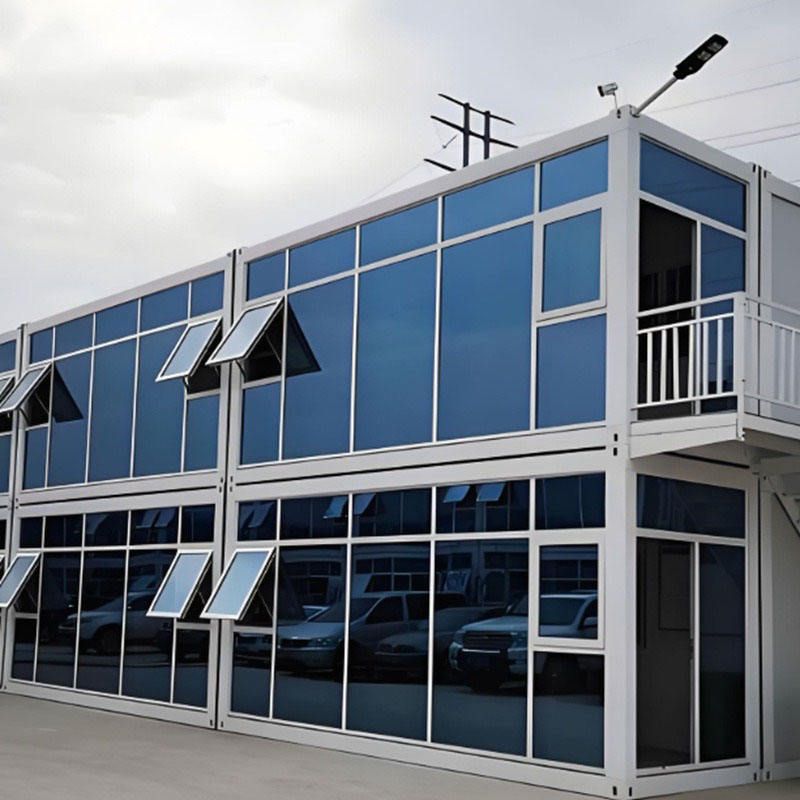
I. Verify the pre-sale permit to avoid legal and financial risks According to Article 6 of the 'Measures for the Administration of the Pre-sale of Urban Commercial Housing (Revised in 2004)', a 'Commercial Housing Pre-sale Permit' must be obtained for the pre-sale of commercial housing, which is a prerequisite for the legal sale by developers. Pre-sale without this permit is illegal, and homebuyers may face three major risks:
- Risk of contract invalidity: According to Article 2 of the 'Interpretation of the Supreme People's Court on Several Issues Concerning the Application of Law in the Trial of Disputes over Commercial Housing Sales Contracts', if the developer has not obtained a pre-sale permit by the time of the lawsuit, the pre-sale contract will be deemed invalid, and the homebuyer cannot request the developer to fulfill the obligation of house delivery.
- Risk of fund security: Paying the purchase price to an unlicensed developer lacks regulatory protection. If the developer's capital chain breaks or the developer flees, the purchase price may not be recoverable.
- Risk of delivery and property rights: An unlicensed developer may be unable to deliver the house on time due to project violations (such as inconsistent land nature or unapproved planning) or be unable to handle property rights certificates due to incomplete procedures. Suggestion: Before purchasing a house, be sure to inquire about the developer's pre-sale permit through the official website or on-site visit of the local housing management department and check whether the information such as the building number and pre-sale scope on the permit is consistent with the actual situation.
II. Assess the house condition to ensure living safety Prefabricated panel houses were widely used due to their fast construction speed and low cost, but their seismic performance is relatively weak and they are prone to damage in earthquakes and other disasters. When purchasing, it is necessary to focus on the following inspections:
- House age and maintenance condition: Old prefabricated panel houses (such as those built before 2000) may have potential safety hazards due to material aging and structural deformation. It is necessary to observe whether there are cracks in the walls, whether the floor slabs are sinking, and whether the beams and columns are rusted.
- Reinforcement and renovation records: If the house has been reinforced to improve its seismic performance by adding structural columns, ring beams, or carbon fiber reinforcement, the developer should be required to provide reinforcement design drawings, construction acceptance reports, and other documents.
- Professional assessment report: Commission a building structure assessment agency to conduct a safety inspection of the house, focusing on assessing whether the seismic grade meets the current local standards (such as the 'Code for Seismic Design of Buildings'). If the assessment result is 'unsuitable for living' or the reinforcement cost is too high, it is recommended to give up the purchase.
Summary: When purchasing a prefabricated panel house, it is necessary to have 'two permits in place' (pre-sale permit + house safety certificate) and give priority to houses that are well-maintained, reinforced, and reasonably priced to avoid subsequent disputes caused by being greedy for cheap prices or ignoring risks.



