
Interior of Prefabricated Panel Houses
The interior of prefabricated panel houses has various characteristics in terms of structure, safety, user experience, and lifespan, as detailed below:
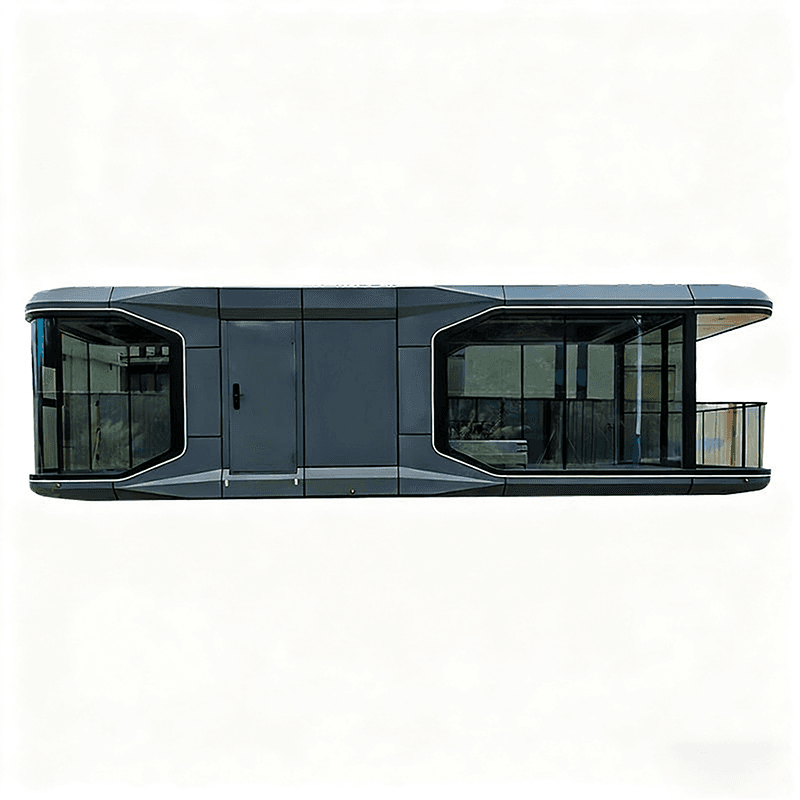
Construction Method Affects Interior Structure: Prefabricated panel houses are built using pre-made cement panels produced in factories. These panels come in solid and hollow varieties, with steel bars inserted inside. At the construction site, cranes are used to assemble these prefabricated panels to form the interior floor slabs and walls. This construction method results in poor overall integrity of the interior, as the panels are joined together like side-by-side wooden planks with gaps. These panel joints are prone to displacement when faced with uneven foundation settlement or vibrations.
Safety Hazards Affect Interior Safety: Prefabricated panel houses have poor earthquake resistance. During an earthquake, cast-in-place slabs, being poured as a whole, can firmly hold the walls together, whereas the prefabricated panels are relatively loose, and the floor slabs may slide off the supporting walls, posing serious safety risks. Additionally, stacking heavy items on the upper floors of old prefabricated panel houses can also cause the floor slabs to collapse, as evidenced by incidents where excessive stacking on the second or third floors led to floor slab collapses.
Daily Use Issues Affect Interior Experience: There are gaps between the panels in prefabricated panel houses. If the joint filling during construction is done hastily or with poor-quality materials, water leakage is almost inevitable later, especially in water-using areas like kitchens and bathrooms. Furthermore, existing prefabricated panel houses generally suffer from poor sound insulation and thermal insulation, affecting居住 (living) comfort.
Lifespan Considerations: The lifespan of prefabricated panel houses is relatively limited, with existing ones typically lasting between 30 to 50 years. Over time, the structure and performance of the house may gradually decline, requiring regular maintenance and reinforcement.



