
Prefabricated Panel Houses Can Be Demolished
Prefabricated panel houses can be demolished under specific conditions, which can be categorized into the following two core scenarios and supplementary situations:
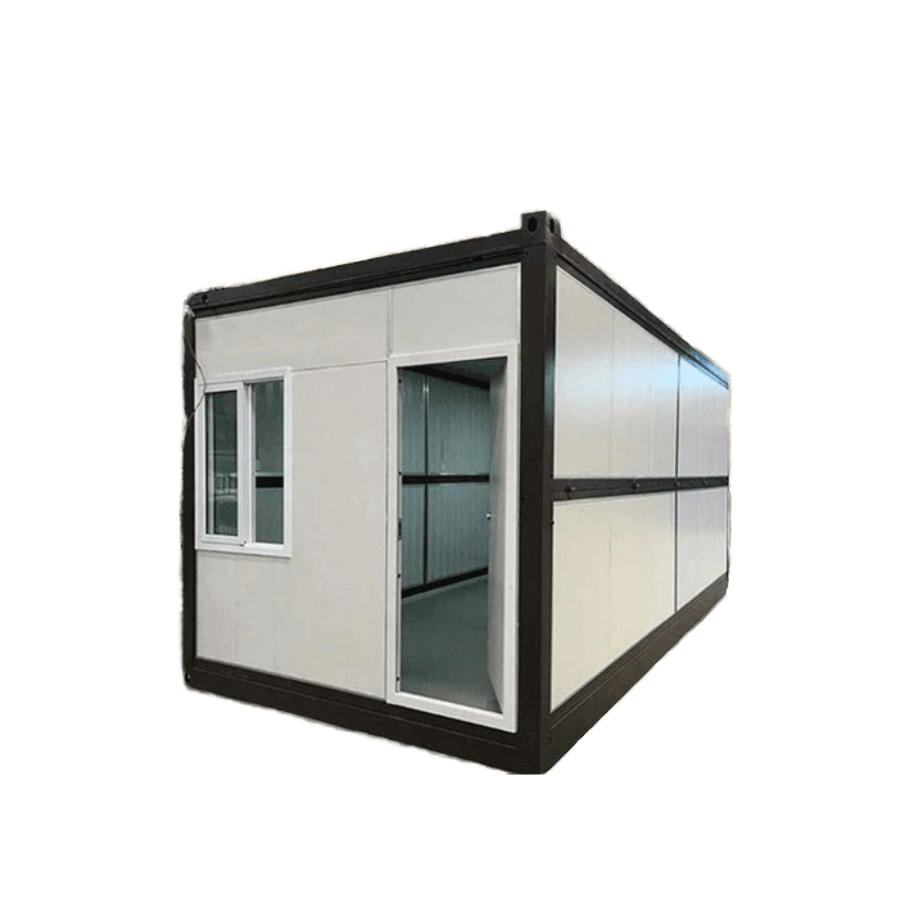
I. Severe Damage to the Main Structure If a house is identified as a Grade D dilapidated building by a professional institution (meaning its overall structural load-bearing capacity cannot meet safety requirements) and its living quality cannot be improved through repairs, it will be prioritized for demolition or renovation. Specific criteria for determination include:
- Foundation Settlement: Settlement exceeding 5 centimeters, causing house tilting or wall cracking;
- Damage to Load-Bearing Structures: Cracks in load-bearing walls wider than 1 millimeter, or significant deformation in key components such as beams and columns;
- Comprehensive Risks: The house poses a risk of collapse or cannot meet safety standards even after reinforcement. Such houses directly threaten living safety, and policies explicitly support demolition and reconstruction or in-situ rebuilding to eliminate safety hazards.
II. Impact on Urban Planning or Major Projects Even if a house is structurally sound, it may be demolished due to planning needs if located in the following areas:
- Urban Core Areas: Such as within the scope of old city renovation or historical and cultural district renewal projects;
- Major Infrastructure Planning Areas: Including construction land for subways, viaducts, substations, etc.;
- Public Interest Needs: Such as land for expanding public service facilities like schools, hospitals, and parks. Such demolitions must comply with the overall urban plan and provide compensation to property owners in accordance with the law. However, in cases where the house is not dilapidated, the process usually proceeds through an "expropriation" procedure rather than being demolished solely based on the type of house.
Supplementary Situation: Insufficient Earthquake or Flood Resistance If a house's earthquake resistance is less than 70% of the current standard or poses serious safety hazards during floods (such as being in a low-lying area with ineffective drainage systems), it may be included in the priority renovation scope even if it does not meet the criteria for a dilapidated building. Renovation methods include structural reinforcement and flood control facility upgrades. However, if the renovation cost is too high or technically infeasible, some regions may choose demolition and reconstruction based on actual conditions.
Other Situations: Renovation as the Primary Approach If a house is identified as Grade A (basically intact) or Grade B (partially dangerous), the focus will be on renovating old residential areas, including facade updates, pipeline renovations, elevator installations, etc., and will not be directly demolished. Such policies aim to balance safety needs with resource utilization efficiency, avoiding excessive demolition and waste of resources.



