
Prefabricated Panel House
Prefabricated panel houses are buildings constructed primarily using prefabricated panels and are now restricted from new construction and gradually being phased out. The following provides an introduction from the perspectives of origin, characteristics, existing issues, replacement trends, and policy directions:
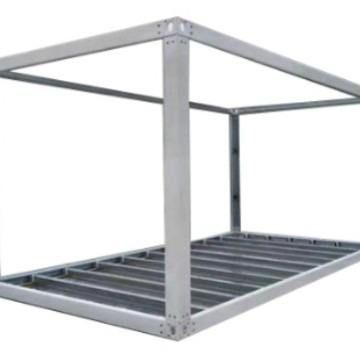
Origin and Construction Characteristics
Prefabricated panel houses originated in the early 20th century. China widely adopted this technology in the 1970s and 1980s for rapid residential construction, primarily for floor slabs and roof insulation layers. The core components are factory-prefabricated cement panels, made by nailing wooden molds, laying out steel bars, and pouring cement. These panels come in two types: solid and hollow (the hollow structure achieves lightweighting by reducing non-load-bearing concrete). Construction involves a "building block"-style assembly, offering fast construction speeds and low costs. Most residential buildings constructed before 1985 are of this structural type.
Existing Issues
- Weak Earthquake Resistance: Relying on cement and a small amount of steel bars for construction, the overall earthquake resistance is far inferior to modern buildings, posing insufficient safety precautions against disasters such as earthquakes or floods.
- Poor Sound and Thermal Insulation: Residents commonly report that the houses are hot in summer and cold in winter, and they can clearly hear their neighbors' voices, affecting living comfort.
- Fixed Internal Structure: The walls are strongly connected to the overall structure, making large-scale modifications almost impossible and difficult to meet personalized space needs.
- High Risk of Water Seepage: Cement components are prone to cracking due to aging, and the gaps between components increase, leading to frequent water seepage issues between floors.
- Short Service Life: Designed for a lifespan of approximately 30 to 50 years, most houses built in the 1970s and 1980s are approaching or have exceeded their service lives, showing severe aging.
Replacement Trends and Policy Directions
With the development of construction technology, cast-in-place concrete and prefabricated buildings are gradually replacing traditional prefabricated panel houses. For example, prefabricated buildings use modular factory-prefabricated components, such as CMC composite modular buildings, which enhance earthquake resistance through steel-concrete integrated pouring and reduce construction periods by 30% compared to traditional methods. Since 2022, China has implemented renovation policies, focusing on repairing and renovating prefabricated panel houses and only demolishing those that meet the criteria for dangerous buildings. In 2023, it was explicitly stipulated that the construction, renovation, and expansion of prefabricated panel houses and other buildings that do not meet safety standards are prohibited within urban construction land areas. These series of measures mark the gradual exit of prefabricated panel houses from the historical stage.



