
Prefabricated One-Bedroom House
The price of a prefabricated one-bedroom house varies due to multiple factors, and it is not possible to directly provide a unified specific amount. However, the price range and fluctuation logic can be analyzed through key influencing factors.
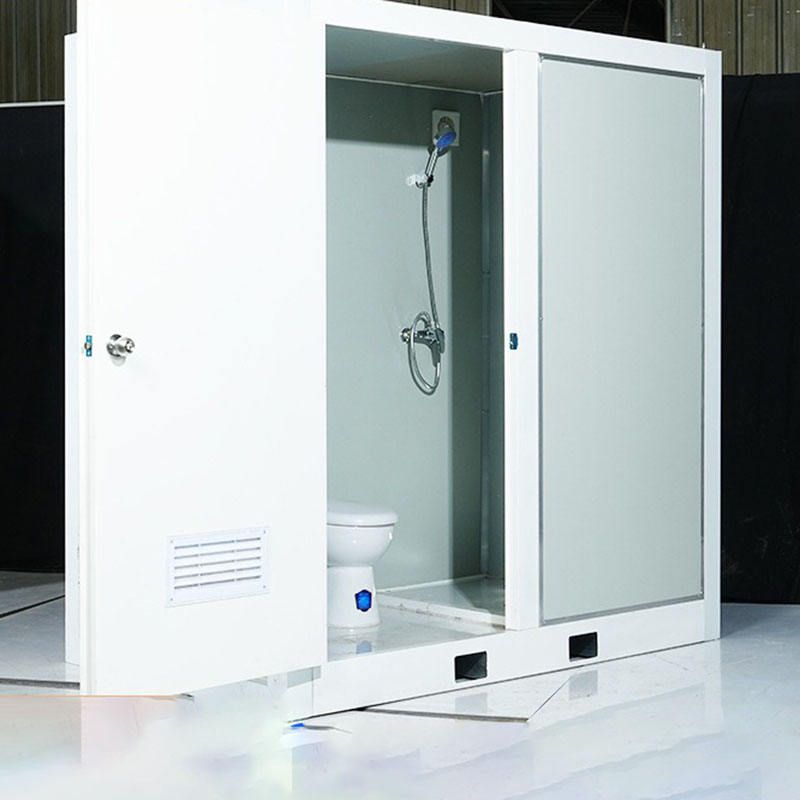
House specifications and configurations are the core determinants of the price.
The area, materials, and internal facilities of a prefabricated house directly affect the cost. For example, a 13x20-foot prefabricated house with a bathroom costs $19,999, while a similar 15x20-foot house with an increased area costs $22,999. In terms of materials, using high-strength steel structures or eco-friendly insulation materials significantly increases costs compared to ordinary materials. The addition of internal configurations such as an independent kitchen, a well-decorated bathroom, or smart appliances also drives up the total price. Additionally, details such as the number of floors (single-story or multi-story) and window types (double-glazed or ordinary glass) can lead to price differences.
Differences in brands and suppliers result in price stratification.
Well-known brands usually build market reputation through strict quality control, design innovation, and after-sales service, and their product prices may be higher than those of small and medium-sized brands. For example, some international brands' one-bedroom prefabricated houses, with modular design and customizable appearances, may cost 10%-20% more than similar products. The service scope of suppliers also affects the price. If they offer a "turnkey" service (including transportation, installation, and commissioning throughout the process), the cost will be included in the total price, while suppliers that only sell the house itself may offer lower quotes.
Regional and market supply-and-demand relationships trigger price fluctuations.
Land costs, construction costs, and local demand are key variables. In areas with scarce land resources or high labor costs (such as developed countries in Europe and America), the price of prefabricated houses may include higher basic costs. In contrast, in developing countries or rural areas, due to lower land and labor costs, the price of similar houses may decrease by 30%-50%. In terms of market demand, if a certain area experiences a surge in demand due to post-disaster reconstruction or tourism development, suppliers may raise their quotes. Conversely, in markets with oversupply, price competition will be more intense.
Additional fees and taxes need to be included in the total cost.
Transportation costs depend on the weight, volume, and transportation distance of the house. Cross-state or cross-border transportation may add thousands to tens of thousands of dollars in costs. Installation costs vary according to the complexity of the terrain (such as mountains or swamps). Steps such as leveling the foundation and connecting water and electricity all require professional teams to operate. In addition, customs duties, value-added taxes (such as approximately 20% VAT in EU countries), or local construction taxes will further increase the total price. Before purchasing, it is necessary to confirm the tax details with the supplier.



