
Prefabricated Modular Housing
Prefabricated modular housing is an industrialized building model that uses factory-prefabricated components assembled on-site. It offers advantages such as shortened construction periods, reduced pollution, and improved efficiency, making it a crucial direction for the modernization of the construction industry.
I. Definition and Types
Prefabricated modular housing shifts traditional on-site operations to factories, where building components (such as beams, slabs, walls, and columns) are produced in advance and then transported to the site for assembly. Its core types include:
- Panel-based prefabrication: Using prefabricated wall panels and floor slabs as the main components, this approach expands indoor usable space but has limited design flexibility.
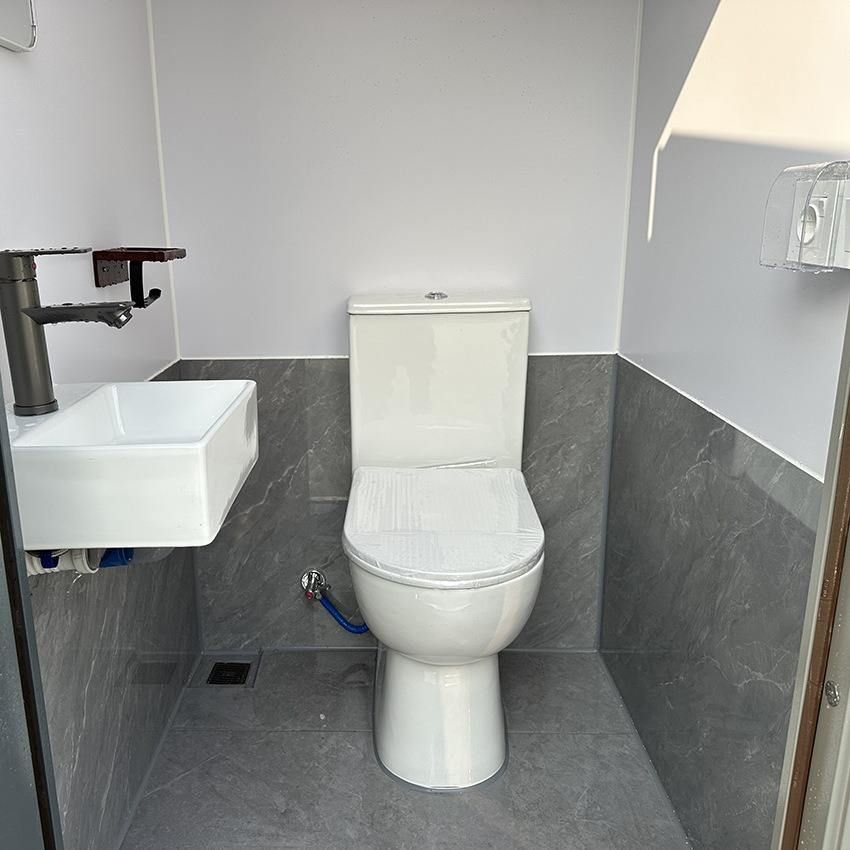
- Box-based prefabrication: By combining prefabricated functional units (such as kitchen and bathroom modules), construction speed increases by 50%-70%, but it requires higher transportation and lifting equipment.
- Modular construction: With a higher degree of integration, buildings are divided into independent modules, manufactured in factories, and assembled on-site, reducing construction periods by over 60%.
II. Technical Systems and Development History
The technology covers prefabricated concrete structures and steel structures, with components including prefabricated beams, slabs, walls, and columns. China's prefabricated concrete technology began in the 1950s, initially used for factories and residential buildings; in the 1970s, technical systems such as large-panel structures and box structures were formed; in the 1980s, development stalled due to cost and quality issues; in the 21st century, it has revived due to environmental and efficiency advantages. Companies like Vanke have developed prefabricated shear wall residential structural systems and applied prefabricated frame technology in projects such as Nanjing Jindi Yufang.
III. Policy and Market Drivers
- Policy support: In 2016, the State Council issued the Guiding Opinions on Vigorously Developing Prefabricated Buildings, designating the Beijing-Tianjin-Hebei region, Yangtze River Delta, and Pearl River Delta as key promotion areas. At the local level, Hainan Province plans for prefabricated buildings to account for 80% of newly started construction by 2025, while Guangzhou requires 100% implementation of prefabricated buildings for residential land starting in 2026.
- Market potential: China's export of prefabricated housing has grown significantly, with Guangzhou Customs reporting exports of movable houses worth 1.4 billion yuan in the first four months of 2026, a year-on-year increase of 38.1%. It is predicted that the global modular construction market will exceed $142.8 billion by 2030.
IV. Core Advantages
- Efficiency improvement: Factory-based production reduces on-site operation time, with modular construction cutting construction periods by over 60%.
- Environmental protection and energy efficiency: It reduces construction waste and dust pollution, meeting green building standards.
- Quality control: Standardized production improves component precision and reduces the risk of human error.



