
Prefabricated Housing in Tongxu
Prefabricated housing mainly includes two types: modular buildings (prefabricated houses) and prefabricated panel houses, with their characteristics and application scenarios as follows:
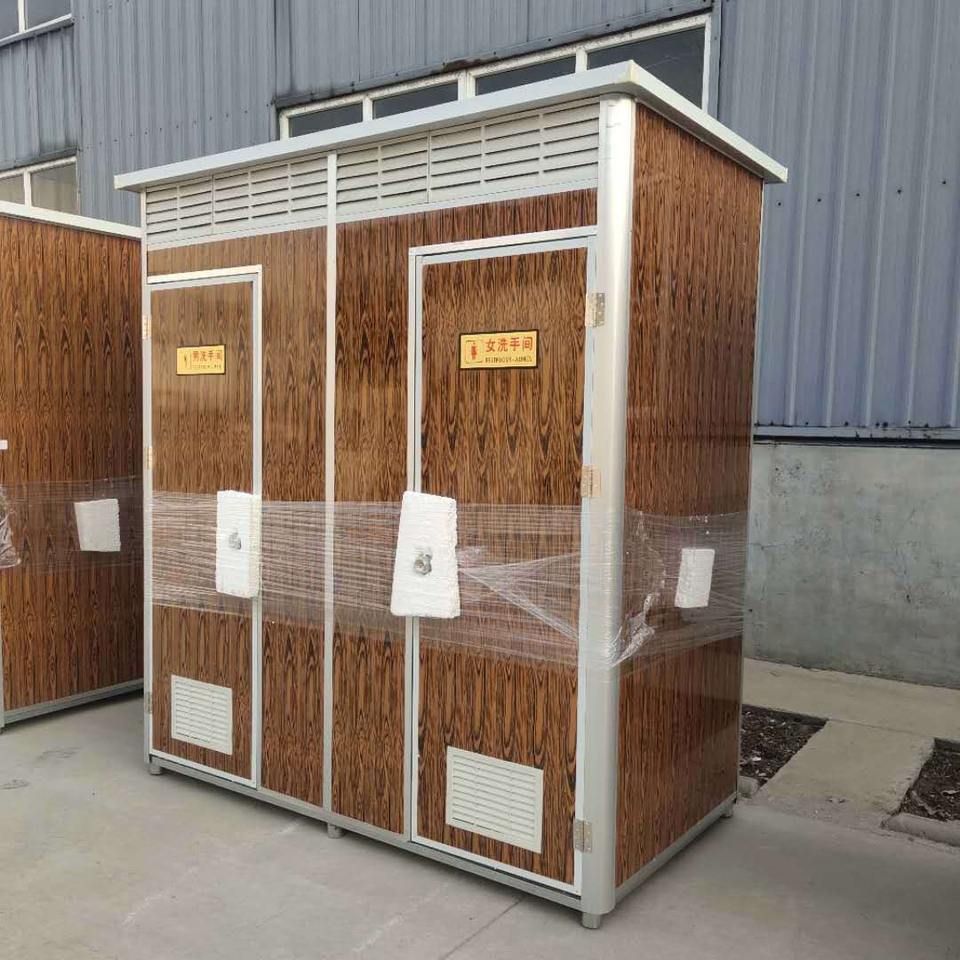
Modular Buildings: Representatives of Industrialized Construction
Modular buildings are constructed by breaking down the building into independent modules (such as rooms, corridors, etc.), completing over 90% of the structural, decoration, and equipment pipeline work in the factory, and then transporting them to the site for assembly. Their core advantages lie in short construction periods, controllable quality, and energy efficiency and environmental protection: The construction period is reduced by more than 60% compared to traditional buildings. For example, in the renovation project of Building 28 in Sanlihe Area 1, Xicheng District, Beijing, the construction period was shortened by about 75% after adopting intelligent construction-MiC technology. Factory production avoids on-site construction errors and ensures building quality. Building waste is reduced by 75%, and carbon emissions are reduced by 30%, aligning with the trend of green building development. Currently, modular buildings have been widely applied in urban old residential area renovations, rural new farmhouse constructions, emergency hospitals, and other fields, especially suitable for projects with high requirements for construction efficiency.
Prefabricated Panel Houses: Low-Cost and Rapid Construction Solutions
Prefabricated panel houses are assembled on-site from prefabricated concrete components (such as floor slabs and wall panels), typically with no more than six floors. Their advantages include fast construction speed and low cost, but they have obvious drawbacks: structural joint leakage, poor earthquake resistance, and short service life (generally 20-30 years). For existing prefabricated panel houses, renovation strategies should be differentiated based on structural safety: For buildings with good structures, their service life can be extended through reinforcement (such as adding shear walls or carbon fiber cloth reinforcement); for buildings with serious safety hazards (such as component cracking or connection joint corrosion), they should be demolished and rebuilt. Currently, prefabricated panel houses are mostly used in temporary housing, construction site dormitories, and other scenarios. Long-term residence requires careful evaluation of structural safety.
Application Scenarios and Trends
Prefabricated buildings (including modular technology) are expanding from temporary buildings to permanent buildings. For example, modular buildings have been applied in data centers, schools, hotels, and other projects sensitive to construction periods; prefabricated panel houses are gradually improving their durability through technological upgrades (such as adopting high-performance concrete and improving connection joints). In the future, with the popularization of intelligent production technologies, the precision, efficiency, and environmental performance of prefabricated housing will be further enhanced, becoming an important direction for building industrialization.



