
Prefabricated Housing Modules
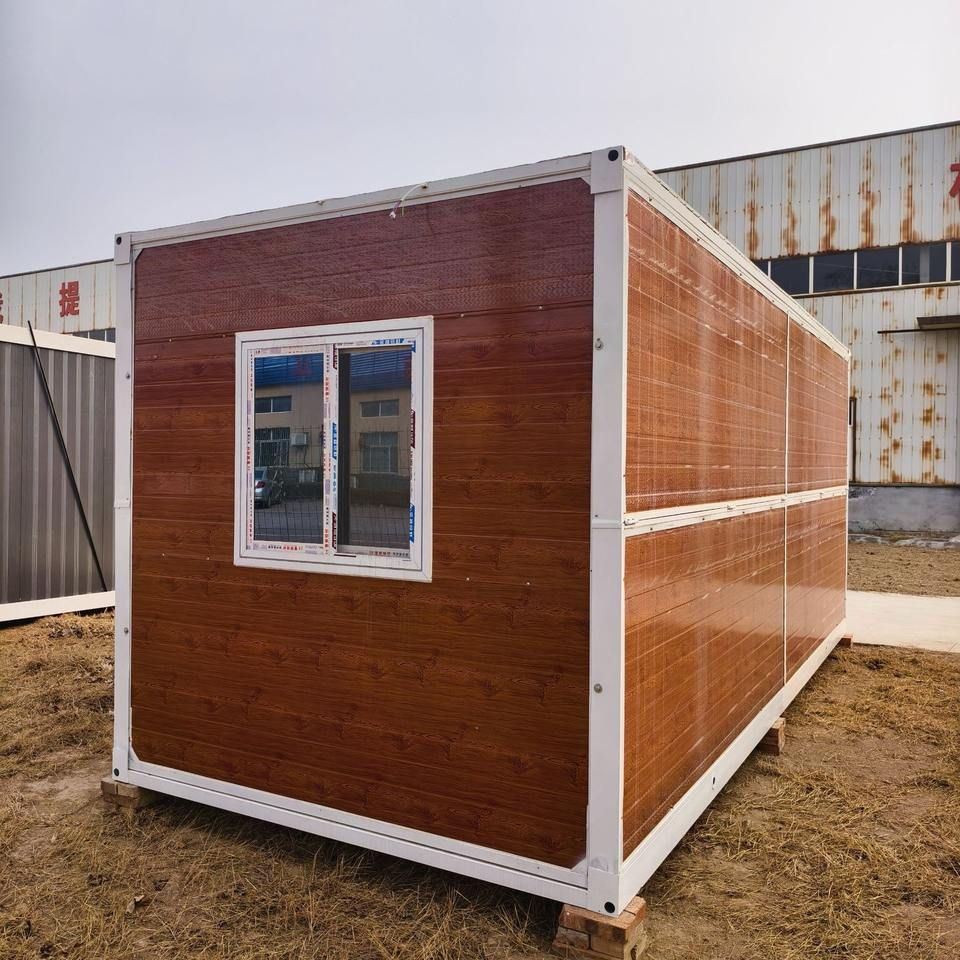
Prefabricated housing modules are the core components of modular construction, enabling efficient, precise, and environmentally friendly building through factory-made standardized spatial modules assembled on-site.
Core Features and Construction Advantages
The core features of prefabricated housing modules can be summarized as the “Three Standardizations”: standardized design, factory-based production, and assembly-based construction. Factories employ parallel operations and automated production lines to break down buildings into independent modules, simultaneously completing the prefabrication and installation of primary structures, enclosure systems, equipment pipelines, and interior finishes. This approach significantly shortens construction cycles. For example, the concrete module hoisting at the Dinghui Temple North Plot affordable housing project in Beijing’s Haidian District reduced the total cycle by approximately 50%; another affordable housing project in Shenzhen, assembled from 6,028 modules, cut its completion and delivery timeline from 2.5–3 years to just one year.
Quality Control and Environmental Benefits
Factory-based production ensures high precision and consistency across modules. Each module comes with a detailed “ID card” recording project name, model, production date, and other information, with steel reinforcement positioning errors controlled to the millimeter level, eliminating quality fluctuations inherent in traditional construction. Additionally, modular construction reduces construction waste by approximately 80% and significantly lowers on-site noise, dust, and traffic congestion, aligning with green building trends.
Application Scenarios and Market Potential
Prefabricated housing modules have broad applications, spanning residential buildings, schools, hospitals, hotels, apartments, dormitories, office buildings, and even data centers. For instance, 63 elderly care apartment modules procured by the UK were hoisted and assembled on-site within two weeks; in Papua New Guinea, 84 modules were used to construct a fully functional hotel. Overseas market demand is growing rapidly, with China’s prefabricated module exports nearly tripling from 2015 to 2025 and a 45% growth rate in the first quarter of 2026. Overseas clients exhibit high repurchase rates due to cost savings in on-site labor, shortened construction timelines, and reduced investment risks.
Policy Support and Industrial Maturity
Currently, cities such as Guangzhou, Shenzhen, and Beijing in China have introduced policies to promote modular construction applications, with technical systems and industrial clusters gradually maturing. As standardized design, intelligent production, and assembly-based construction technologies continue to improve, prefabricated housing modules are becoming a key direction for building industrialization, offering efficient solutions for urban renewal, emergency construction, and overseas projects.



