
Australian Standard for Prefabricated Housing
In Australia, the widely adopted standard for prefabricated housing is AS 4964, which is the design and construction standard for prefabricated housing units (usually referring to integrated housing) in Australia and New Zealand.
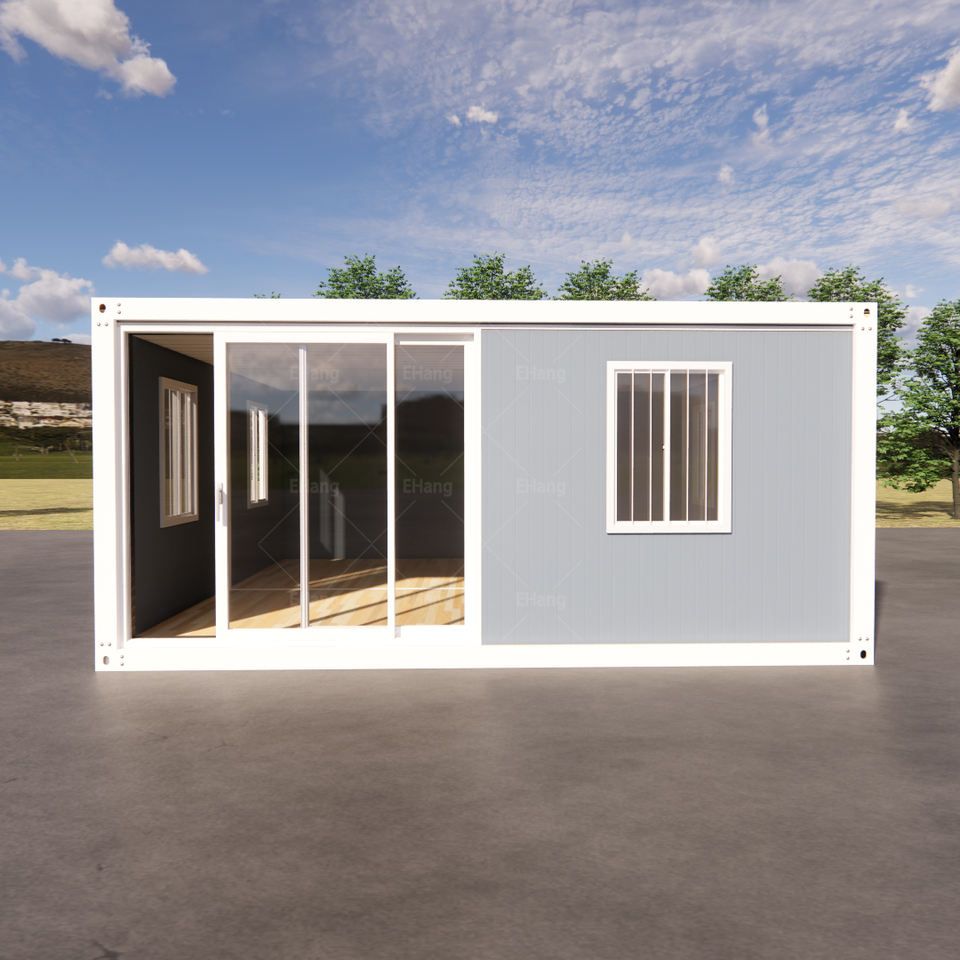
The AS 4964 standard is extremely rigorous in the inspection process for prefabricated housing, covering the following aspects in detail:
Design Document Review: This is the primary step in the inspection process, requiring confirmation that the design documents comprehensively cover multiple key performance indicators. Structural Integrity is fundamental, ensuring that the house remains stable under normal use and extreme conditions. Wind Resistance addresses Australia's variable weather conditions, safeguarding the house's safety in strong wind environments. Fire Safety is crucial for the safety of occupants' lives and property, necessitating compliance with strict fire prevention regulations. Thermal Insulation and Moisture Resistance affect the house's comfort and durability, preventing excessive heat loss and moisture intrusion. Safety of Service Facility Layout involves the reasonable arrangement of infrastructure such as water and electricity, avoiding potential safety hazards.
Raw Material and Component Verification: The raw materials and components that make up the house are the cornerstone of quality. During the inspection process, it is essential to ensure that these materials and components meet preset quality thresholds, guaranteeing the house's quality from the source. For example, the steel used must possess sufficient strength and toughness, the wood must undergo anti-corrosion treatment, and the insulation materials must achieve the specified thermal insulation effects.
Focus on Assembly and Connection Methods: The assembly and connection methods of prefabricated housing directly impact its overall performance. During inspection, it is necessary to ensure that the connection strength and stiffness comply with regulations and that construction techniques are standardized. For example, the tightening torque of bolts must reach standard values, and welding areas must be defect-free to prevent loosening or deformation issues during long-term use.
Physical Performance Testing: Finally, physical performance tests are conducted on complete housing units or representative sections, such as static load tests and waterproof performance inspections. These tests provide an intuitive reflection of the house's actual performance, offering objective evidence for product quality and safety. After completing the inspection, a technical assessment report issued by an independent third party can be obtained, further enhancing consumer confidence in prefabricated housing.



