
Prefabricated Houses in Jiangxi
Prefabricated houses in Jiangxi have made significant progress in policy governance and new development trends.
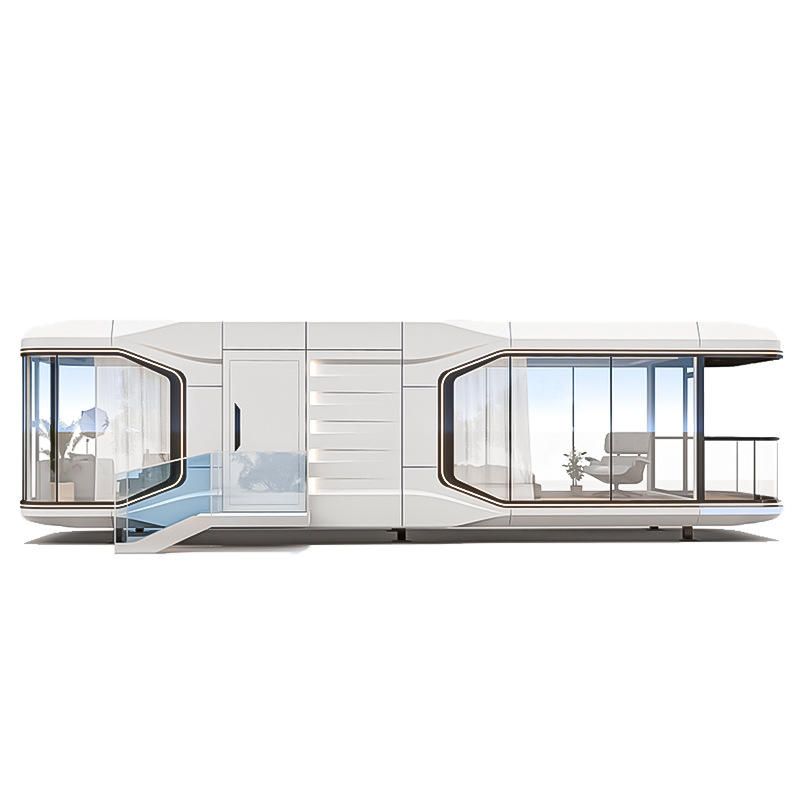
Policy Governance: Systematic Promotion of Dilapidated Housing Renovation
The Jiangxi Provincial Department of Housing and Urban-Rural Development has established a leading group for the safe management of urban housing use to coordinate and advance the safety management of existing housing, with a focus on the renovation of prefabricated panel houses. By 2025, the province has completed a census of 37,000 dilapidated houses (including prefabricated panel houses) on state-owned land in urban built-up areas and entered the data into the system, and has initiated the renovation of 13,000 dilapidated houses. At the policy level, the province has promoted the enactment of the Jiangxi Urban Renewal Regulations, providing legal protection for the self-governed renovation of dilapidated prefabricated panel houses and clarifying renovation paths and support measures. For example, through special surveys to clarify renovation needs, issuing notices to standardize renovation processes, and forming a full-chain management system of 'census-assessment-renovation-supervision', the safety of existing prefabricated houses has been effectively improved.
New Development Trends: Technology-Driven Expansion of Application Scenarios
Affected by the hilly terrain and humid and rainy climate, Jiangxi has high requirements for the moisture-proof and earthquake-resistant performance of buildings, driving the transformation of prefabricated integrated houses into permanent buildings. Their core advantages are reflected in three aspects:
- Efficient Construction: Core components such as light steel keels and concrete prefabricated parts are produced in a standardized manner in factories and quickly assembled on site, shortening the construction period by more than 50% compared to traditional buildings, while reducing construction dust and noise pollution.
- Performance Improvement: Through the application of thermal insulation, moisture-proof, and anti-corrosion materials, combined with optimized node connections and earthquake-resistant designs, they meet the requirements for 8-degree earthquake resistance and adapt to the rainy environment in Jiangxi. For example, components produced by an assembled building base in the Nanchang Economic and Technological Development Zone have been applied to affordable housing projects, with a waste recycling rate exceeding 90%, achieving green production.
- Diversified Scenarios: They have extended from temporary buildings to rural revitalization housing, tourism supporting facilities, emergency shelters, and other fields. Some projects have introduced BIM technology to achieve digital management throughout the design, production, and construction processes, improving project accuracy and efficiency.
Currently, the prefabricated housing industry in Jiangxi has formed a collaborative development model of 'policy guidance + technological support + market application', which not only addresses the safety hazards of existing prefabricated panel houses but also promotes the upgrading of building industrialization through technological innovation, providing a new path for sustainable urban and rural development.



