
Prefabricated House Application Case in the US
A typical application case of prefabricated houses in the US involves the Grateful Off-Grid couple purchasing and promoting Chinese prefabricated houses through Alibaba.com, driving rapid growth in the US market.
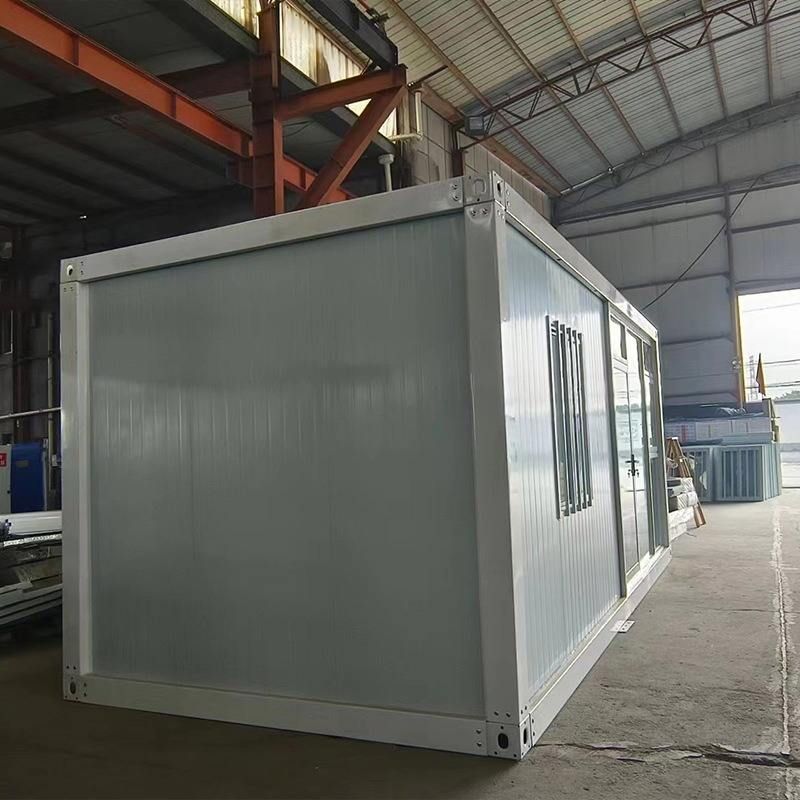
Case Subject: Purchase and Usage Experience of the Grateful Off-Grid Couple
An American couple purchased a 40-foot Chinese prefabricated house through Alibaba.com. The house was priced at $15,800, with the total cost, including shipping fees and customs duties, amounting to $28,689. The house has a usable area of approximately 70 square meters and is pre-installed with a bedroom, an independent kitchen and bathroom, and hard decoration fittings. After being transported to an open space, it can be quickly assembled using a transformer-like unfolding structure, requiring only connection to water and electricity for occupancy. During the installation process, the couple and the husband's father completed the landing with the help of a telescopic forklift, without relying on a professional construction team. After withstanding several strong winds and heavy rains, the buyers highly praised it, saying, 'We love this thing,' highlighting its structural stability and practicality.
From Users to Dealers: Market Promotion and Business Transformation
Based on their recognition of product quality, the couple transitioned from end consumers to dealers and began selling the same prefabricated houses online. This transformation not only reflects user trust in the product but also indicates the potential demand for prefabricated houses in the US market. The success of their business model provides a reference case of 'experiential marketing' for other individuals or enterprises—verifying product value through personal use and then expanding market coverage through word-of-mouth promotion.
US Market Data: Demand Explosion and Industry Trends
According to data from Alibaba.com, in the first half of 2026, the transaction volume of the mobile prefabricated house category increased by 50% year-on-year, with the US becoming the largest buyer market, accounting for more than 20% of overseas order volume. This growth trend indicates that prefabricated houses are transitioning from a niche choice to a mainstream housing solution in the US, driven by core factors including:
- Cost Advantage: Compared to traditional construction, prefabricated houses can save 30%-50% in construction time and labor costs;
- Flexibility: Modular design supports rapid deployment, meeting the housing needs of remote areas or temporary situations;
- Environmental Friendliness: Factory production reduces on-site construction pollution, complying with US green building standards.
Case Insights: The Globalization Path of Chinese Prefabricated Houses
The case of the Grateful Off-Grid couple demonstrates that Chinese prefabricated house enterprises can directly reach overseas end users through cross-border e-commerce platforms and achieve market penetration through user word-of-mouth and dealer networks. In the future, as the housing shortage problem in the US worsens and the demand for sustainable construction rises, the prefabricated house market is expected to further expand. Chinese enterprises need to continuously optimize product adaptability (such as hurricane-resistant design) and localization services to consolidate their competitive advantages.



