
Prefabricated House by Tesla
The prefabricated house launched by Tesla is developed in collaboration with Boxabl, aiming to provide sustainable and affordable housing solutions. Here is a detailed introduction to this prefabricated house:
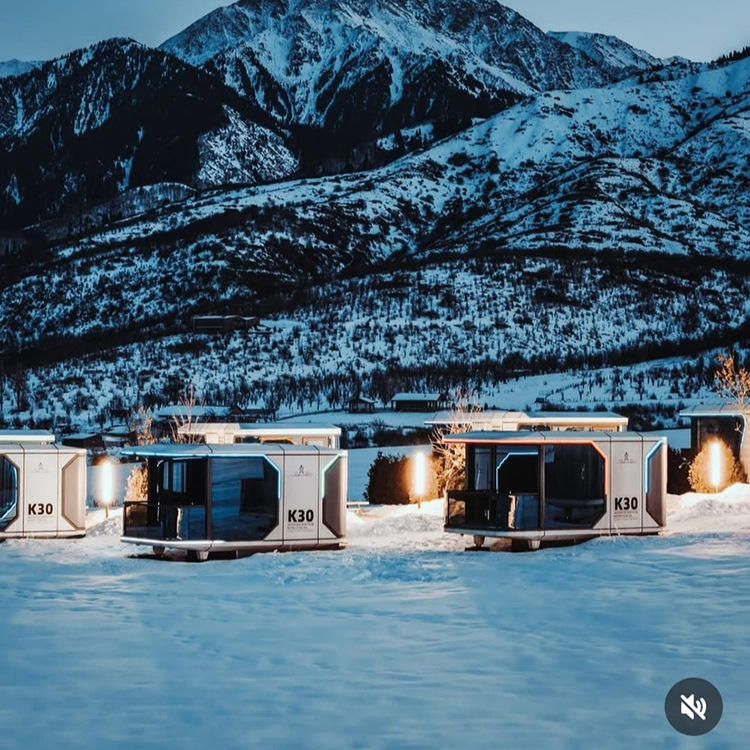
Price and Specifications: There are different reports on the buyout price of Tesla's prefabricated house, ranging from approximately $7,777 to $10,000. The building area covers from 26 square meters to 76 square meters, offering a variety of series options to meet different living needs.
Design and Functionality: The house features a prefabricated, foldable structure, facilitating easy transportation and rapid assembly, with on-site construction taking only a few days. The interior space is compact and efficient, including basic functional areas such as bedrooms, living rooms, kitchens, and bathrooms. The walls are made of sustainable and eco-friendly materials, providing fire, mold, and moisture resistance, and can withstand hurricane erosion. The roof is equipped with solar panels, paired with Tesla's Powerwall energy storage system, enabling self-sufficiency in energy. Additionally, an integrated rainwater collection and filtration system further enhances environmental performance.
Technology and Safety: Based on Boxabl's prefabricated structural technology, the house is designed to withstand earthquakes of magnitude 8 and winds of up to 12 on the Beaufort scale. The connections are secured with galvanized steel latches, and precision panel processing is ensured through robotic arm machining, resulting in a structural resilience superior to traditional brick-and-mortar houses.
Smart Control: The house can be connected to the Tesla Home app, supporting real-time monitoring and remote control of devices. It is equipped with an AI control system, allowing users to control hot water, lights, and music through voice commands. The system can also learn users' daily routines and automatically adjust indoor temperature and energy consumption.
Market Response and Impact: Boxabl has over 120,000 customers on its waiting list, with more than 5,000 having already paid deposits. Although limited by land policies and property rights systems in the short term, making it difficult to completely replace traditional real estate, its low-cost and high-mobility characteristics offer a sustainable living solution for specific groups, holding transformative potential.
Future Plans: The first prototypes are expected to be assembled in 2026, with mass production set to begin in 2027.



