
Volver al blog
Artículo
Prefabricated House Self-Installation Guide
Admin 18 de septiembre de 2026
The self-installation of a prefabricated house should follow standardized procedures, focusing on pre-installation preparation, installation process, key details, and subsequent steps, as detailed below:
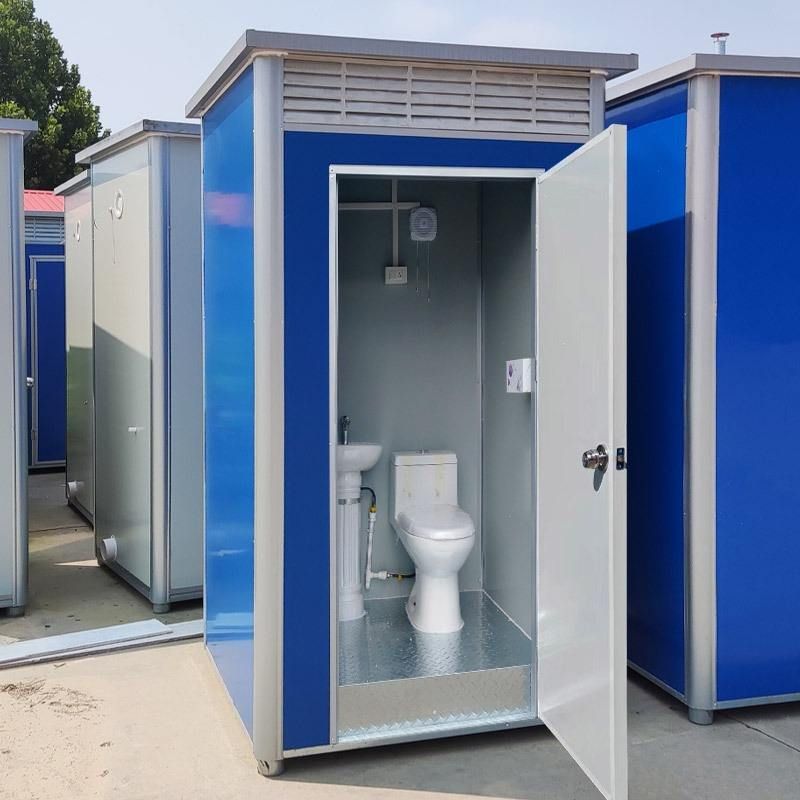
I. Pre-Installation Preparation
Substrate Treatment
- Ensure the top surface of the wall bearing the prefabricated panels is flat, removing debris such as broken bricks and mortar clumps to prevent structural loosening after installation due to an uneven substrate.
- Moisten the wall top with water the day before lifting to prevent the dry wall from rapidly absorbing moisture from the mortar, leading to cracking or poor adhesion.
- Use high-grade cement mortar (e.g., M10 or above) for leveling, ensuring a full and uniform mortar layer to avoid the “toe-tip touching” phenomenon (where only part of the panel contacts the substrate), which could damage the prefabricated panel due to excessive local stress.
Tool and Material Preparation
- Measuring tools: Level, laser emitter (for emitting 360-degree laser to assist in adjusting the height of wooden strips to millimeter-level precision).
- Power tools: Low-speed electric screwdriver (for adjusting wooden strips to avoid errors caused by high speed), impact wrench (with speed differentiation, used only when necessary).
- Auxiliary materials: Wooden strips (uniform height of 20 mm, reserved for wire routing gaps), supports (temporary support for prefabricated panels), nails (for fixing wooden strips and gypsum boards).
II. Installation Process
Wooden Strip Installation and Adjustment
- Function of wooden strips: To unify the installation height of gypsum boards, reducing the risk of cracking due to height differences.
- Adjustment method: Use the laser emitter to find the lowest point of the wooden strips in the room and adjust the other wooden strips to the same height based on this reference, with errors controlled to the millimeter level.
Wire Pre-Embedding
- Wires should bypass the wooden beam positions and run through the gaps in the wooden strips to avoid direct fixation on the wooden beams, which could lead to insufficient space or difficulty in later maintenance.
Prefabricated Panel Installation
- Panel Bottom Support: Use supports and other temporary supports during installation to prevent the prefabricated panels from bending or cracking due to their own weight or construction pressure.
- Panel Joint Treatment: Ensure tight joints between panels, which can be filled with waterproof mortar or sealant to prevent water leakage or structural loosening.
III. Key Details
- Height Uniformity: Adjust the wooden strips starting from the lowest point and gradually calibrate downwards to avoid being unable to raise them due to wooden beam adhesion.
- Tool Selection: Prefer a low-speed electric screwdriver for adjusting wooden strips, as an impact wrench can produce errors due to its high speed and should only be used for fixing wooden strips.
- Acceptance Criteria:
- Check if the mortar layer on the wall top is flat and sturdy, strictly prohibiting shoddy work (e.g., using dry bricks for leveling).
- Confirm that the prefabricated panels are in “face-to-face” contact with the wall to reduce shaking risk, and use a level to recheck verticality if necessary.
IV. Subsequent Steps
- Water and Electricity Construction: Plan the locations of switches, sockets, and wiring routes according to the positions of the prefabricated panels to avoid damaging the structure.
- Masonry Work: Treat panel joints and level the walls to ensure surface flatness meets the requirements for paint application.
- Carpentry and Painting: Perform surface treatment (e.g., skimming, sanding) after installing the gypsum boards.
- Lighting and Electrical Appliance Installation: Install equipment after completing circuit testing to ensure electrical safety.
Tip: If modifications to load-bearing walls or complex circuit designs are involved, consult a structural engineer or electrician to ensure compliance with safety regulations.
Relacionados



