
Is the Prefabricated House Scam Real?
Prefabricated house scams do exist, but not all projects involve fraud and need to be analyzed on a case-by-case basis.
1. Common Types of Scams
- Price Misleading: Some merchants only emphasize the price of the “bare module” (such as just the main structure) in their promotions, without clearly including necessary costs like foundation, doors and windows, and water and electricity installation. The actual comprehensive cost may be much higher than that of traditional brick-and-mortar structures, causing consumers to overspend on their budget.
- Construction Price Increases: After attracting customers with low prices to sign contracts, merchants continuously raise prices during construction for reasons such as “material upgrades” and “design changes”. In some cases, projects may even be left unfinished due to cost overruns, and the merchants may become unreachable.
- False Promotions and Delivery Delays: For example, Boxabl's promoted $50,000 prefabricated cabins often have actual landing costs (including transportation, installation, taxes, etc.) exceeding $200,000. There are also a large number of backlogged orders that have not been delivered, leading to suspicions of it being a Ponzi scheme.
2. Core Characteristics of Scams
- Cost Opacity: The total price composition is not clearly stated, and key cost items are hidden.
- Lack of Merchant Credibility: There is no support from formal qualifications, past cases, or user reviews, and some even engage in false promotions through social media.
- Contract Loopholes: The terms are vague, with no agreed-upon delivery time, quality standards, or liability for breach of contract, laying the groundwork for subsequent disputes.
3. How to Avoid Risks?
- Verify Costs: Request merchants to provide detailed quotations that clearly include all costs such as foundation, decoration, and transportation, and compare them with the costs of traditional construction.
- Check Qualifications: Confirm whether the merchant has construction qualifications, past successful cases, and user reviews. Prioritize brands with industry certifications.
- Sign Contracts Carefully: Read the contract terms carefully, clarify the delivery time, quality standards, and compensation for breach of contract, and avoid verbal promises.
- Refer to Third-Party Assessments: Consult architects or lawyers to conduct independent reviews of the project's feasibility and contract risks.
4. Legitimate Advantages of Prefabricated Houses
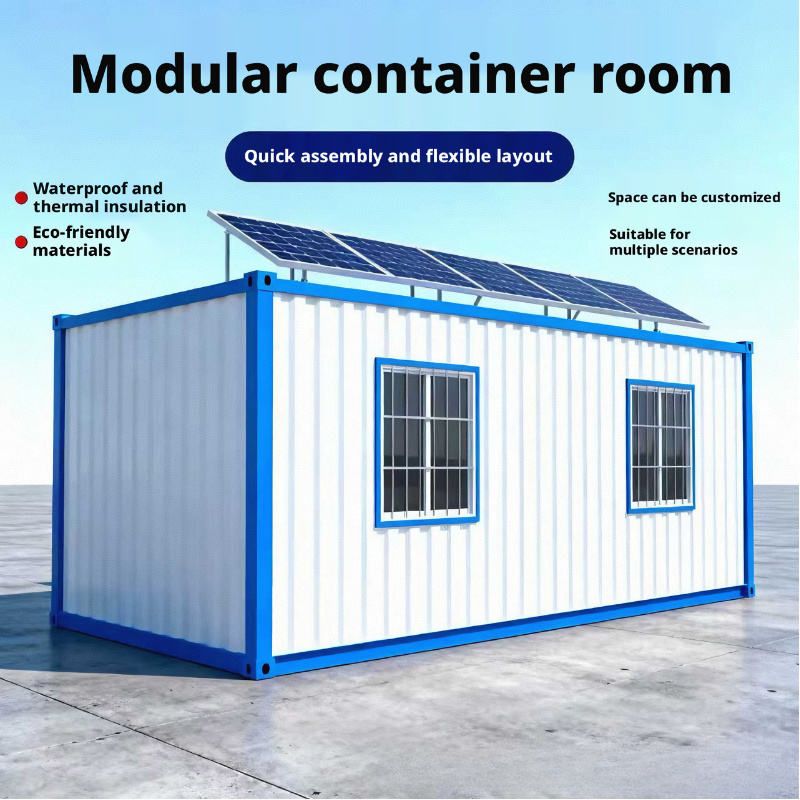
Prefabricated houses are a standardized and modular construction method with advantages such as short construction periods and environmental protection and energy conservation. Legitimate projects usually protect consumer rights through transparent pricing, standardized contracts, and reliable after-sales service. It is necessary to distinguish between “scams” and “normal business risks”.
Summary: There are fraud cases in the field of prefabricated houses, but risks can be effectively avoided by carefully evaluating costs, merchant credibility, and contract terms. When choosing a project, it is important to remain rational and avoid being misled by low prices or exaggerated promotions.



