
Mold Design for Prefabricated Houses Along the Line
The mold design for prefabricated houses along the line should focus on customization, integrating parametric modeling and modular assembly and disassembly technologies to achieve efficient and precise component production.
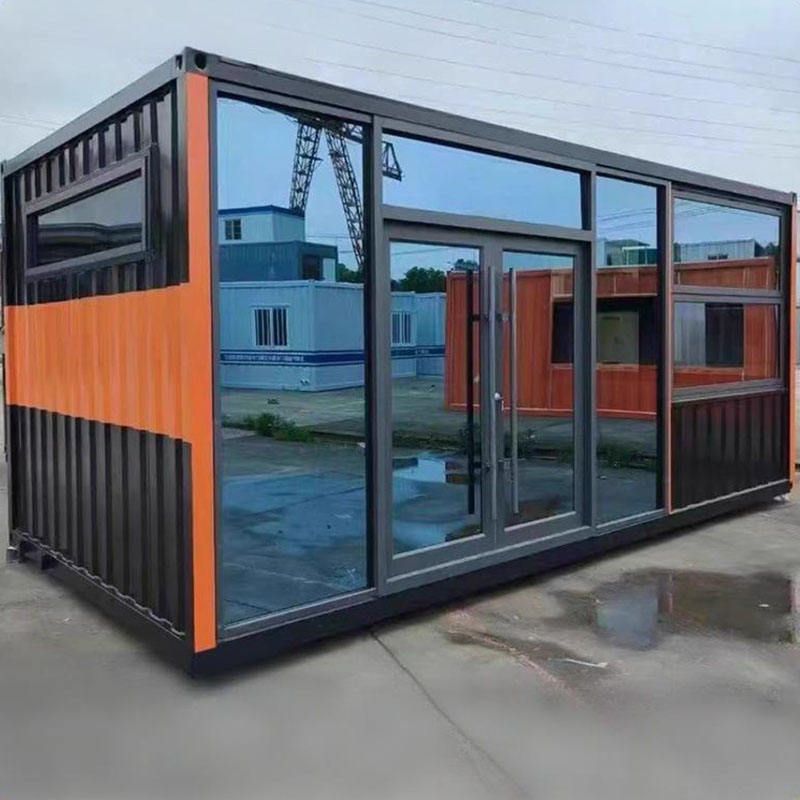
1. Customized Design Should Match House Purpose and Structural Characteristics
The mold design for prefabricated houses should avoid the pitfall of 'generalization' and should be customized based on the house's purpose, dimensions, and structural characteristics. For example, rural self-built houses prioritize aesthetic appeal, requiring molds to incorporate decorative modules such as simulated brick patterns and reliefs to enhance the building's visual effect. In contrast, construction site dormitories emphasize modular assembly functionality, necessitating molds to include pre-drilled connection holes and conduit channels to facilitate rapid assembly of components and easy embedding of electrical and water lines. Additionally, mold design should consider the load requirements of the house, such as reinforcing the structural strength of molds for load-bearing walls and optimizing material usage for non-load-bearing walls to reduce costs.
2. Parametric Modeling Technology Enhances Mold Precision and Turnover Efficiency
Parametric modeling technology, through the integration of BIM systems and CNC machines, can achieve mold hole position accuracy within ±0.5 millimeters, significantly improving the assembly efficiency of prefabricated components. For instance, a large-scale residential project that adopted modular combination molds increased the turnover frequency of a single mold set from the traditional 50 times to over 200 times, while also reducing the component demolding time by 30% through edge chamfering design. Parametric modeling also supports rapid iterative optimization of molds, allowing for the generation of mold models of different specifications by adjusting parameters, thereby reducing repetitive design costs.
3. Modular Assembly and Disassembly Design Optimizes Construction Efficiency
The assembly and disassembly design of molds directly affects construction efficiency. High-quality molds should adopt a split structure, fixed with bolts or clips, facilitating quick assembly and disassembly by workers. For example, split molds can divide complex components into multiple standard modules, allowing workers to complete assembly by simply assembling them in sequence, significantly shortening on-site construction time. Additionally, mold design should consider demolding convenience, such as adopting wedge structures or pneumatic demolding devices, to reduce adhesion between components and molds and lower the breakage rate.
4. Material Selection and Durability Design
Mold materials should balance strength and durability, with common materials including high-strength steel, aluminum alloy, and composite materials. Steel molds are suitable for high-frequency use scenarios but require regular rust prevention treatment. Aluminum alloy molds are lightweight and corrosion-resistant but come at a higher cost. Composite material molds are suitable for producing irregularly shaped components but require verification of their thermal deformation coefficient. Mold design should also consider wear resistance, such as adding hard alloy coatings to contact surfaces, which can extend the mold's service life to over 500 times.



