
Prefabricated House Finished Villa Ancient Style
Currently, there are relatively few products on the market that are explicitly classified as 'prefabricated house finished villa ancient style'. However, customized design can be used to achieve ancient-style prefabricated villas, with the core being the combination of traditional architectural elements and modern prefabricated technology.
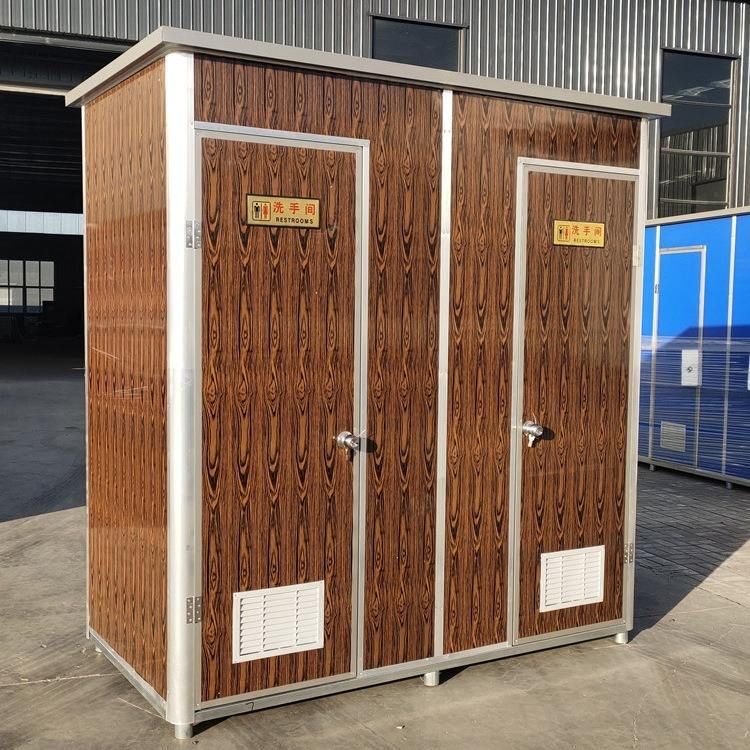
1. Combination Methods of Prefabricated Houses and Ancient Style
The core advantages of prefabricated houses (prefabricated buildings) lie in modular production and rapid assembly, while ancient style is usually reflected in architectural forms, decorative details, and cultural symbols. Customized design can be used to achieve integration: For example, traditional elements such as pitched roofs, upturned eaves, and dougong (bracket sets) can be adopted, combined with wooden-textured decorative panels or antique-style coatings. Craftsmanship such as carving and hollow-out can be added to doors, windows, and railings to give the overall appearance an ancient charm. Some manufacturers also offer 'new Chinese style' prefabricated villas, which simplify the structure while retaining traditional artistic conceptions, making them more in line with modern living needs.
2. Technical Implementation and Material Selection
In terms of structure, prefabricated villas mostly use steel structures or concrete frames to ensure earthquake resistance and durability. For exterior decoration, it is achieved through prefabricated components, such as imitation wood-grain aluminum panels and GRC (glass fiber reinforced concrete) components, which can not only simulate the texture of traditional materials but also have the characteristics of being lightweight and easy to install. For interior space, traditional layouts such as central axis symmetry and courtyard design can be combined to achieve functional zoning through modular combinations.
3. Customization Process and Cost Considerations
Customizing an ancient-style prefabricated villa involves four stages: design - production - transportation - assembly:
- In the design stage, it is necessary to communicate style preferences and functional requirements with the manufacturer and provide reference pictures or detailed requirements of traditional architecture.
- In the production stage, components are prefabricated according to the design drawings, and some complex decorations may require separate mold opening.
- For transportation and assembly, the size of components and road restrictions need to be considered, and the on-site assembly period is usually shorter than that of traditional buildings.
In terms of cost, customized design will increase upfront expenses, but the overall cost is still lower than that of traditional brick-and-mortar ancient-style villas, and the shortened construction period can reduce labor costs.
4. Applicable Scenarios and Limitations
This type of villa is suitable for scenarios such as cultural tourism projects, rural homestays, and personal residences. It can not only be quickly implemented but also create a cultural atmosphere. The limitations are that extremely complex ancient-style structures (such as multi-story dougong and large-scale wooden structures) may be difficult to fully prefabricate, and some regions have planning restrictions on architectural styles, so compliance needs to be confirmed in advance.



