
Prefabricated House Decoration
Prefabricated house decoration features convenient construction, low cost, high comfort, and is conducive to green development. The installation of exterior wall decoration materials is simple and the performance is excellent.
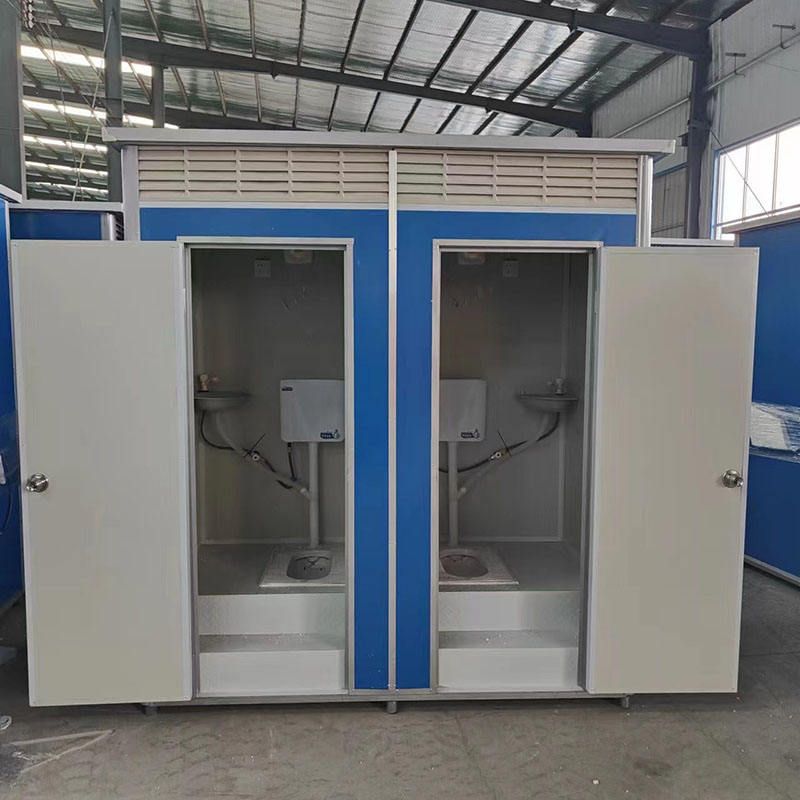
Overall Advantages of Prefabricated House Decoration
Compared with ordinary houses, prefabricated house decoration offers significant advantages. Prefabricated houses are easier to build, with a substantially shortened construction period, which effectively saves construction costs. In terms of living experience, their comfort level is much higher than that of ordinary houses. As an important method of prefabricated house decoration, prefabricated interior decoration is a modern decoration approach that involves the on-site installation of prefabricated components primarily using dry construction methods. It is suitable not only for public building decoration but also for home decoration scenarios. The development of prefabricated interior decoration is of great significance. On the one hand, it can address the pain points and difficulties of traditional decoration, such as long construction periods and quality assurance issues, which prefabricated interior decoration can better avoid. On the other hand, it facilitates later maintenance and updates. When the decorative parts of the house are damaged or need to be updated, the replacement of prefabricated components is relatively easy. Additionally, prefabricated interior decoration is conducive to promoting green and low-carbon development in urban and rural construction, aligning with the current concept of sustainable development.
Characteristics of Exterior Wall Decoration in Prefabricated Houses
Taking high-end container prefabricated houses as an example, their exterior wall decoration is unique. Generally, Jinbang board fiber cement exterior wall decorative panels are used, which offer numerous advantages. They are easy to install and can be combined with keels, insulation materials, and gypsum boards to form composite walls, serving as both maintenance and decorative integrated panels for container houses. In terms of construction methods, keel dry hanging, tongue-and-groove jointing, and clip fixing are employed. This construction method is not only relatively simple to operate but also enables the walls to have good inter-story displacement and seismic performance. Good inter-story displacement performance means that when the house is subjected to external forces, the walls can better adapt to deformation and reduce damage. Excellent seismic performance provides better protection for the house in the event of natural disasters such as earthquakes, ensuring the safety of occupants.



