
Prefabricated House Customization
There are various types and options for customizing prefabricated houses, which can be tailored to different needs.
I. Common Types
- Preservative-Treated Wooden Houses: Some manufacturers in Shenzhen can customize preservative-treated wooden houses. These houses offer natural beauty and environmental friendliness, making them suitable for agritainment resorts, guesthouses, and homestays. Manufacturers usually provide free design services, creating house plans that meet customer requirements based on specific needs and site conditions.
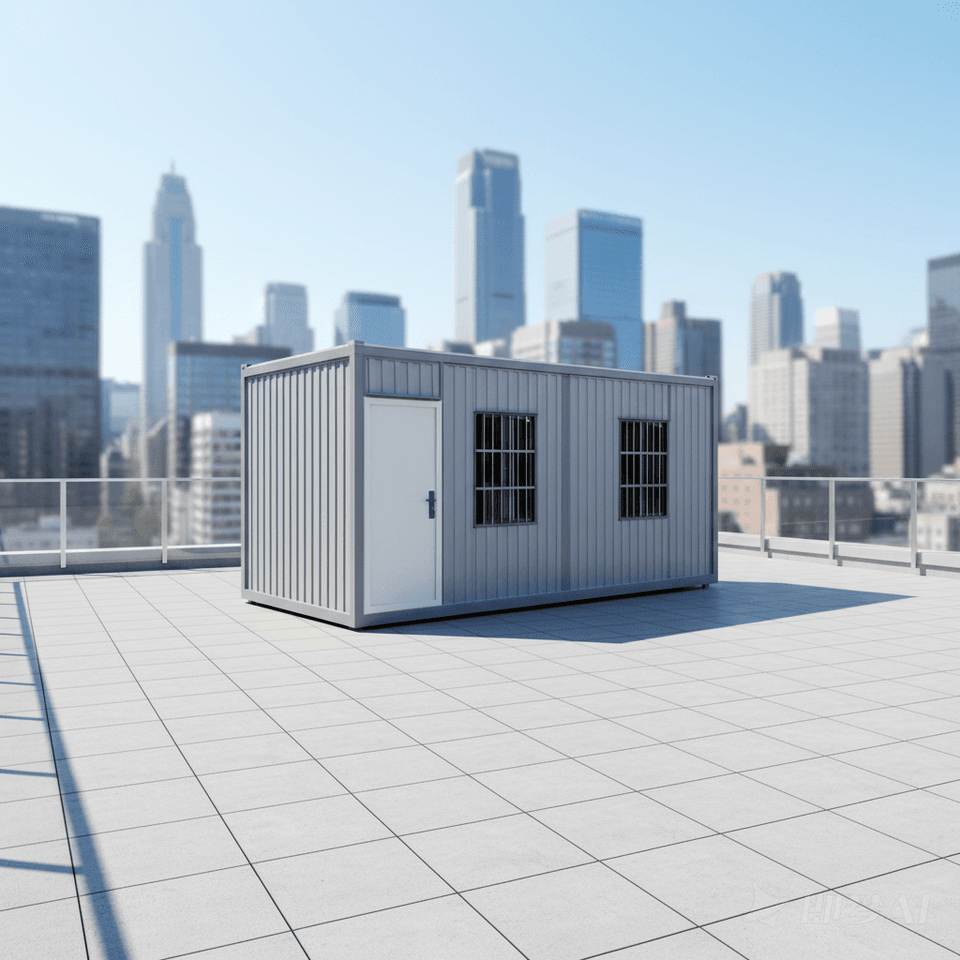
- Container House Frame Customization: These can be assembled into mobile temporary buildings and come with CE certification, ensuring a certain level of quality and safety. Container houses are highly mobile and quick to set up, making them ideal for temporary offices and living spaces.
- Pre-cast Houses (Prefabricated Modular Buildings): These involve the industrial production of building components, which are then assembled on-site. They include both prefabricated concrete and steel structures, with components such as beams, slabs, walls, and columns. This construction method offers advantages like fast construction speed and controllable quality, enhancing building efficiency and quality.
- Modular Buildings: These represent a more integrated form of prefabricated modular construction, customizable according to needs. Modular buildings divide structures into multiple modules, which are prefabricated in factories and then transported to the site for assembly, offering high flexibility and scalability.
II. Pricing Prices for prefabricated houses vary depending on type and specifications. For example, light steel villa houses range from ¥855 to ¥900, while prefabricated houses cost between ¥142.5 and ¥150 per square meter. However, specific prices depend on customization requirements and merchant quotes. Customization needs include aspects such as house area, structure, materials, and decoration, all of which affect pricing. Merchant quotes are influenced by market conditions, production costs, brand reputation, and other factors.
III. Customization Process Generally, customizing a prefabricated house starts with communicating needs to the manufacturer, including the house's purpose, scale, and style. The manufacturer will then provide a design plan and work with the customer to make revisions until satisfaction is achieved. Next, production takes place in the factory to create the building components. Finally, on-site assembly involves transporting the prefabricated components to the site and assembling them according to the design plan.



