
Cost Accounting Methods for Prefabricated Houses
The cost accounting methods for prefabricated houses mainly involve multiple aspects such as materials, molds, transportation, installation, foundation treatment, design and construction, other expenses, and regional differences.
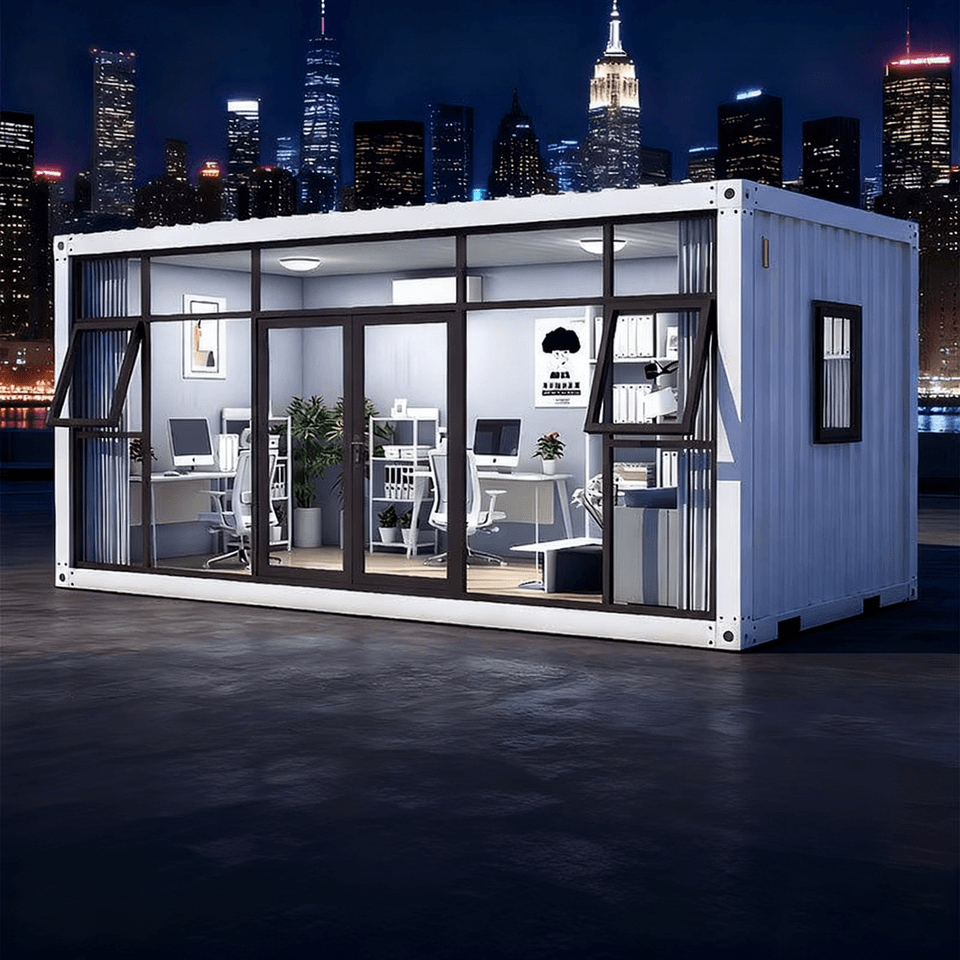
Material Costs: They are a significant component of the cost of prefabricated houses, covering basic materials such as cement, steel bars, and sand and gravel. The material costs vary significantly depending on the structural type of the house. For example, the material cost per square meter for a brick-concrete structure is approximately 400-600 yuan, for a frame structure it is about 600-800 yuan, and for a steel structure, it can reach as high as 800-1200 yuan. This is mainly due to the different requirements for material types and quantities among different structures.
Mold Costs: The production of prefabricated houses relies on molds, and their material, craftsmanship, and degree of customization directly affect the price. Mold costs are amortized over each house, so the durability and reusability of molds are crucial for cost control.
Transportation Costs: Prefabricated houses are large and heavy, and transportation costs are usually calculated based on mileage or the volume and weight of the goods. When transporting across provinces, costs increase significantly due to factors such as road height and width restrictions. Therefore, transportation distance and route planning have a direct impact on costs.
Installation Costs: These include equipment rental fees, labor costs, and expenses for on-site lifting, splicing, and fixing procedures. The professionalism and efficiency of the installation process directly affect costs, so choosing an experienced construction team is essential.
Foundation Treatment Costs: Prefabricated houses have high requirements for the flatness and bearing capacity of the foundation. Foundation treatment, such as pouring concrete pads or strip foundations, needs to be carried out according to local geological conditions. These costs vary greatly depending on regional geological differences.
Design and Construction Costs: Design costs depend on whether a professional designer is hired, while construction team and labor costs vary depending on whether a professional construction company or a local construction team is used. These costs may account for 30%-40% of the total construction cost and are a key aspect of cost control.
Other Expenses: Additional expenses such as relevant permit fees (building permits, planning permits, etc.) and transportation and accident insurance costs also affect the final cost. Although these costs are relatively small, they cannot be ignored.
Regional Differences: Differences in economic development levels, land costs, building material prices, and construction team costs in different regions lead to variations in the prices of prefabricated houses from place to place. Therefore, regional factors need to be fully considered when conducting cost accounting.



