
Prefabricated House Construction
Prefabricated house construction involves breaking down a building into independent modules, prefabricating them in a factory, and then transporting them to the site for assembly. This construction method is characterized by short cycles, high efficiency, and strong environmental protection.
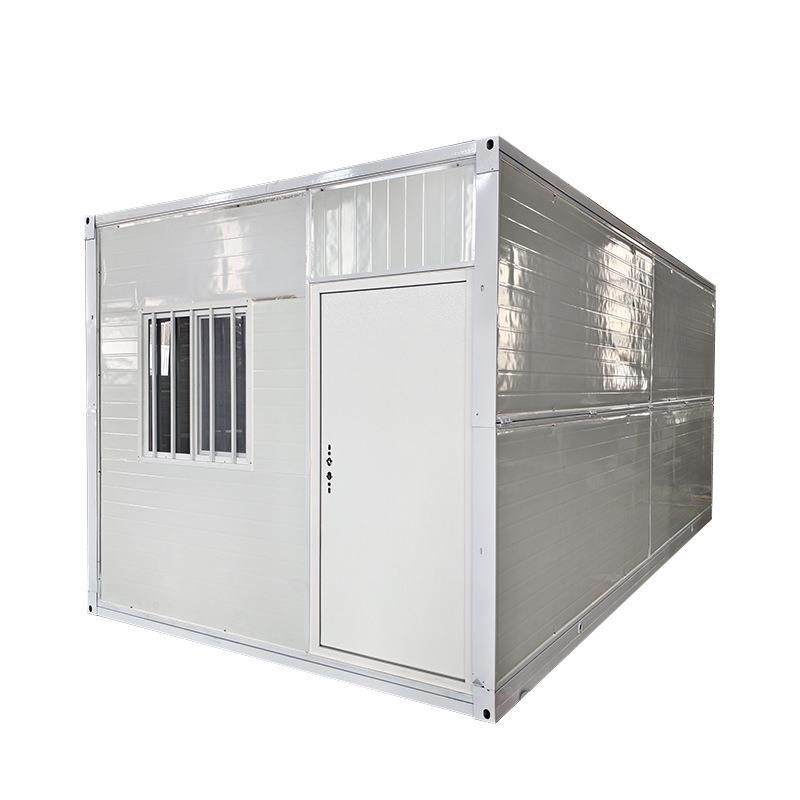
I. Construction Process and Characteristics
The core of prefabricated house construction lies in "factory prefabrication + on-site assembly." Components such as ceilings, walls, and bathroom waterproof layers are prefabricated on factory assembly lines, enabling parallel operations through automated three-dimensional warehouses and intelligent production lines. The construction cycle is reduced by over 60% compared to traditional methods. For example, a public housing project in Shenzhen, Guangdong, utilized 6,028 concrete modules for assembly, compressing the construction period from 2.5-3 years to just 1 year, reducing on-site labor by approximately 50%, and significantly lowering noise and dust pollution.
II. Structural Types and Components
Prefabricated houses encompass prefabricated concrete structures and steel structures, with main components including prefabricated beams, slabs, walls, and columns. Depending on the degree of integration, they can be classified into three types: panel-based assembly, box-based assembly, and frame-based assembly. Among them, modular construction represents the highest level of integration, where functional units of the building (such as kitchens and bathrooms) are prefabricated as a whole, enabling "plug-and-play" assembly.
III. Technical Support and Management Model
The construction process emphasizes the "integration of five aspects":
- Standardized Design: Component design errors are controlled to the millimeter level, and each prefabricated component is equipped with an "ID card" recording project name, product model, production date, and other information to ensure full traceability throughout the process.
- Factory-based Production: Relying on technical systems, production systems, and industrial clusters, large-scale and high-precision manufacturing of components is achieved.
- Assembly-based Construction: On-site assembly employs mechanized operations, reducing reliance on manual labor and enhancing construction safety.
- Information-based Management: BIM technology is used to simulate the construction process, optimizing the sequence of component transportation and lifting.
- Intelligent Applications: The Internet of Things is utilized to monitor component status, and AI algorithms are employed to adjust construction parameters.
IV. Industrial Infrastructure Requirements
Prefabricated house construction places high demands on industrial support, requiring comprehensive technical standards, a mature supply chain system, and specialized industrial clusters. For example, component transportation must consider restrictions such as road height limits and turning radii, while the assembly phase requires professional lifting equipment and technicians to ensure construction precision and efficiency.



