
Volver al blog
Artículo
Is Building with Prefabricated Houses Good?
Admin 18 de septiembre de 2026
Whether building with prefabricated houses is 'good' depends on specific needs. There are both advantages and disadvantages, and a decision should be made after weighing them up.
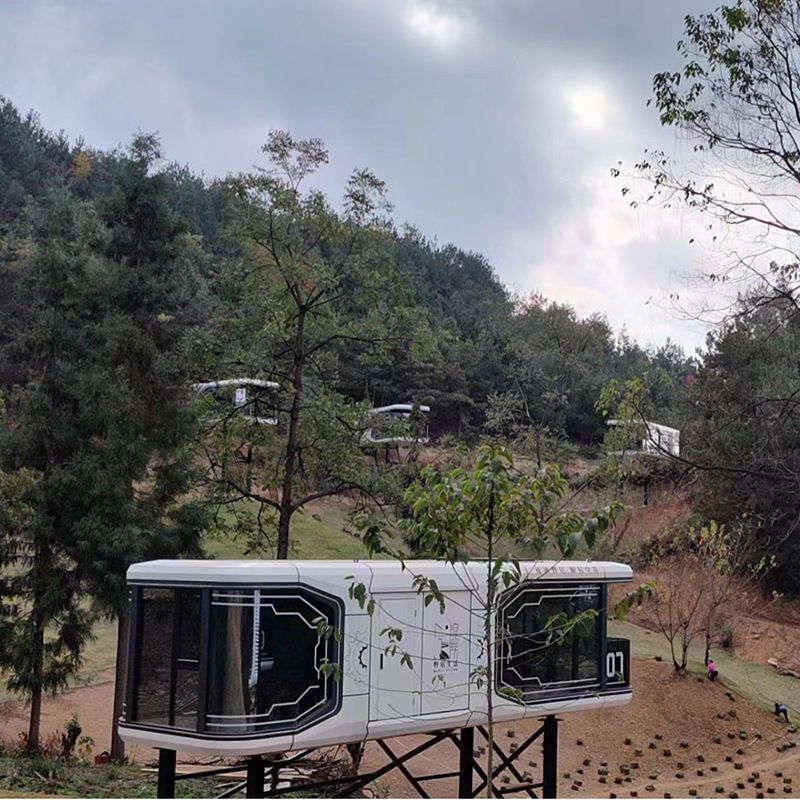
Advantages
- Cost and Time Savings: The factory-based production model can reduce material waste by about 30% and shorten the construction period by 50%-70% compared to traditional methods. For example, in rural areas of Henan, the cost per square meter of a prefabricated house is about 300 yuan, and the main structure can be assembled in as fast as 2 hours. Mass production reduces material costs by 20%-40% and labor costs by about 60%, making it suitable for scenarios with limited budgets and a need for rapid construction.
- Quality Control: Prefabricated components are produced using high-precision molds in a standardized manner, resulting in higher concrete strength compared to traditional construction. Some new prefabricated houses use the reinforced concrete monolithic pouring process, and their seismic performance has passed an eight-magnitude earthquake simulation test. The use of recyclable materials reduces construction waste by 80%, with a material recycling rate of over 90%, meeting environmental protection requirements.
- Environmental Advantages: Construction waste is significantly reduced. Some technologies adopt sandwich insulation designs, which can improve sound insulation and heat insulation effects and reduce later energy consumption.
Disadvantages
- Insufficient Seismic Performance: Traditional prefabricated panel houses have weak overall seismic resistance and are prone to detachment or structural instability during earthquakes. For example, in past earthquake disasters, areas with severe damage often had houses built with prefabricated panels. However, new prefabricated houses have improved their seismic performance to an eight-magnitude standard through process enhancements.
- Poor Sound Insulation and Heat Insulation: Traditional prefabricated panel houses have poor sound insulation (only 20 decibels), and noises from upstairs are clearly audible. Their heat insulation is also poor, with high indoor temperatures in summer and low indoor temperatures in winter, requiring secondary covering of roofing materials to compensate.
- Prone to Cracking and Leakage: There are gaps between panels, and improper construction handling can lead to cracking and leakage when the house experiences uneven settlement, especially in areas with high waterproofing requirements such as bathrooms and kitchens.
- Short Service Life: Traditional prefabricated panels have an actual service life of about 10 years. After aging, they require frequent repairs and reinforcements, resulting in high maintenance costs. Their designed service life is generally 30-50 years, but most of those built in the 1970s-1990s are approaching or have exceeded this lifespan. The designed service life of new prefabricated houses has been extended to 70 years.
- Policy Restrictions: The country has explicitly prohibited the use of prefabricated panels for constructing commercial housing (e.g., the 'Detailed Rules for the Promotion and Application of New Technologies by the Ministry of Construction' in 2002). Some regions (e.g., Jining City since 2012) require industrial and civil buildings to use cast-in-place panels.
Summary: If the budget is limited and there are low requirements for seismic resistance, sound insulation, and heat insulation, traditional prefabricated houses can quickly meet basic living needs. If long-term safety, comfort, and compliance are pursued, it is recommended to use cast-in-place concrete roofing or new prefabricated house technologies (such as the reinforced concrete monolithic pouring process).
Relacionados



