
Volver al blog
Artículo
Prefabricated House Accommodation
Admin 17 de septiembre de 2026
Prefabricated house accommodation is a lodging solution that utilizes factory-prefabricated complete guest room units or modular building forms, applied in cultural tourism, campsites, and other scenarios. It offers advantages such as rapid installation and environmental friendliness, but attention must be paid to land use compliance.
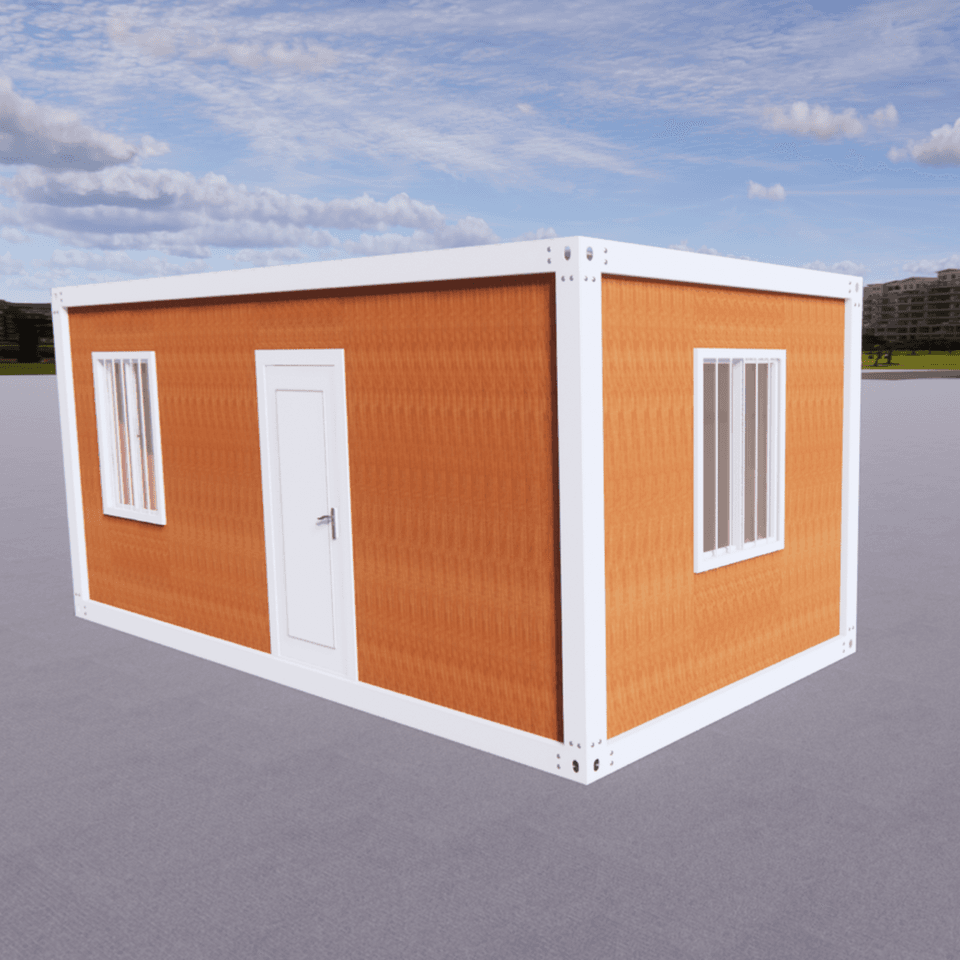
Main Forms of Prefabricated House Accommodation
- VESSEL's 'Space Capsules': As a pioneer in China's movable assembled prefabricated accommodation category, its products are factory-prefabricated complete guest room units, featuring rapid installation (completed in as little as two hours), adaptability to complex terrains, and non-destruction of the ecological environment. They are primarily used in cultural tourism attractions, high-end campsites, and rural revitalization projects. Currently, they have covered 32 provincial administrative regions in China, with over 200 projects implemented and exported to more than 20 countries.
- Modular Buildings: Falling under the category of prefabricated houses, modular buildings involve disassembling a building into independent modules. All components, including ceilings, floors, and water and electricity pipelines, are prefabricated in the factory and then transported to the site for assembly like building blocks. Compared to traditional construction methods, modular buildings offer advantages such as shorter construction periods, controllable quality, energy efficiency, environmental friendliness, and ease of maintenance.
Core Advantages of Prefabricated House Accommodation
- Efficiency and Flexibility: Complete guest room units or modular components can be mass-produced in the factory, significantly reducing on-site installation time, making them particularly suitable for cultural tourism projects with strict deadlines.
- Eco-Friendliness: They do not harden the land, reduce construction pollution, and their relocatable nature reduces long-term occupation pressure on a single plot of land.
- Adaptability: Their movable design allows them to be applied in complex terrains such as mountains and seashores, meeting diverse scenario demands.
Land Use Approval and Compliance Risks
- Mobility ≠ Land Use Exemption: Although mobile accommodations can be relocated as a whole, the land classification, the 'Three Zones and Three Lines' (ecological protection red lines, permanent basic farmland, and urban development boundaries) and the attributes of overlapping protected areas do not change with the movement of the house. If the wrong land classification is selected (such as occupying ecological protection red lines or permanent basic farmland), even if the product meets environmental standards, rectification is still required.
- The Importance of Compliant Land Use: The advantages of 'non-hardening, short construction period, and relocatability' of assembled and modular accommodations must be based on compliant land use. In actual projects, site selection and approval processes often become the main factors slowing down delivery cycles, necessitating advance planning of land use nature and completion of approval procedures.
Relacionados



