
Prefabricated Floor Slabs in House Construction
Prefabricated floor slabs used in house construction are common flooring materials in early 20th-century architecture. They refer to pre-manufactured concrete slabs made in factories and transported to construction sites for installation and use.
Production and Types of Prefabricated Slabs
When producing prefabricated slabs, a hollow mold is first made using wooden planks. After reinforcing steel bars are placed in the hollow part of the mold, cement is poured in to fill it. Once it dries, the wooden planks are knocked off, leaving the prefabricated slab. Prefabricated slabs come in two types: solid and hollow. The hollow structure achieves lightweighting by reducing the non-load-bearing concrete, maintaining load-bearing capacity while reducing self-weight.
Application Scenarios of Prefabricated Slabs
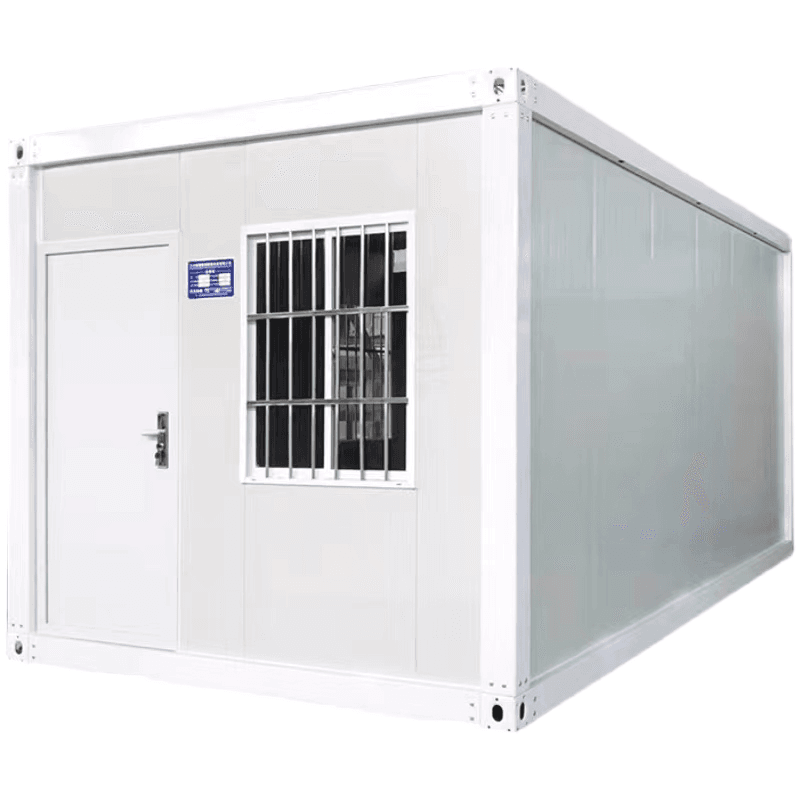
Prefabricated slabs are widely used in the construction field, such as cover plates for ditches beside highways and cement slabs for roof insulation layers. Prefabricated slab houses are structures built primarily with prefabricated slabs. The components are prefabricated in factories and assembled on-site, significantly shortening the construction period.
Comparison between Prefabricated Slabs and Cast-in-Place Concrete Slabs
- Construction Method: Prefabricated slabs are prefabricated in factories and then directly assembled on-site, saving time and effort. For cast-in-place houses, workers need to first set up molds, tie reinforcing steel bars, pour concrete, and wait for it to solidify and take shape.
- Seismic Performance: Cast-in-place houses are poured as a whole, with good structural continuity and strong seismic resistance. Prefabricated slab houses are assembled from prefabricated components, with relatively weaker seismic resistance.
- Cost and Construction Period: Prefabricated slab houses can effectively control costs, reducing labor and time costs for on-site construction, with fast construction speed. Cast-in-place houses have relatively higher costs and longer construction periods.
- Applicable Scenarios: Cast-in-place construction must be used for high-rise residential buildings, large-span spaces, and places like bathrooms with high requirements for structural integrity and waterproofing. Temporary buildings or projects with extremely tight budgets can use prefabricated slabs, but proper joint waterproofing must be ensured.
Existing Problems and Development Trends of Prefabricated Slab Houses
Existing prefabricated slab houses generally have problems such as weak seismic resistance, poor sound and heat insulation, and a service life of about 30 - 50 years. With the development of construction technology, cast-in-place concrete and prefabricated buildings are gradually replacing traditional prefabricated slab houses. Since 2022, China has implemented renovation policies, focusing on repairing and renovating prefabricated slab houses and only demolishing buildings that meet the criteria for dangerous houses.



