
Prefabricated Container Mobile Housing
Prefabricated container mobile housing is a movable, reusable modular building product that uses a steel frame and bolts for connection, constructed with standardized container units, and capable of rapid installation and multi-story assembly.
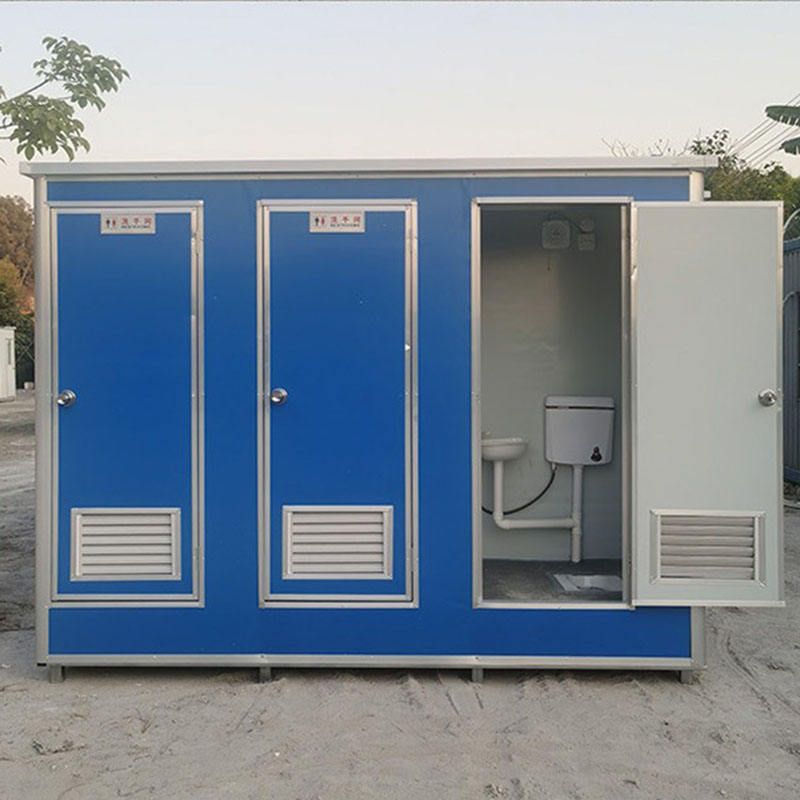
Structural Classification and Characteristics
Prefabricated container mobile housing can be divided into three categories based on structural differences:
- Traditional Container-Modified Box Houses: These are directly modified from discarded shipping containers, retaining the original container frame structure. Internal space layout is optimized through cutting, welding, and reinforcement, suitable for temporary housing or low-cost projects. Their advantage lies in low material costs, but internal space is limited by the original container dimensions, and modification flexibility is relatively low.
- Newly Welded Box-Type Mobile Homes: These use newly welded steel frames, offering higher structural strength and customizable container dimensions and layouts. For example, quick-assembly residential container houses have frames composed of 8 corner fittings, 4 columns, and 8 crossbeams, using 16*16cm channel steel (2.3mm thick) with high-temperature baking paint for rust prevention, suitable for long-term use scenarios such as construction site dormitories or tourist homestays.
- Demountable Box-Type Mobile Homes: These feature a modular design where all components (such as walls, roofs, and floors) can be disassembled and reassembled repeatedly, occupying less space during transportation and offering high installation efficiency. Their core advantages are flexibility and recyclability, suitable for scenarios requiring frequent relocation, such as temporary exhibition halls or emergency rescue shelters.
Application Scenarios and Policy Support
This type of building is widely used in three scenarios:
- Temporary Office and Residential Use: Such as construction site project offices and wilderness research stations, where rapid installation can shorten construction cycles by over 50%.
- Tourist Resort Homestays: Through multi-story assembly design, unique accommodation spaces can be created, such as the "Space Capsule" smart container houses developed in Wen'an County, Hebei, which have been put into use in scenic areas.
- Public Service Facilities: Such as smart waste stations and mobile medical stations, where modular structures facilitate functional expansion and maintenance.
At the policy level, since 2022, China has promoted the development of prefabricated buildings through the "Implementation Plan for Carbon Peaking in the Urban and Rural Construction Sector." Wen'an County, Hebei, has formed an industrial cluster, reducing manufacturing costs through standardized production and technological innovation, thereby promoting large-scale application.
Technological Advantages and Development Trends
The core advantages of prefabricated container mobile housing lie in its environmental friendliness (over 90% steel recyclability), cost-effectiveness (30%-50% lower construction costs than traditional buildings), and flexibility (assembly and disassembly time is only one-third of that of traditional buildings). In the future, with the application of lightweight materials (such as high-strength aluminum alloys) and intelligent technologies (such as IoT integration), its application scenarios will further expand to extreme environment housing, disaster emergency response, and other fields.



