
Prefabricated Concrete Movable House
Prefabricated concrete movable houses are a type of pre-cast housing, produced industrially and assembled on-site, offering advantages such as shortened construction periods and reduced pollution, with a wide range of application scenarios.
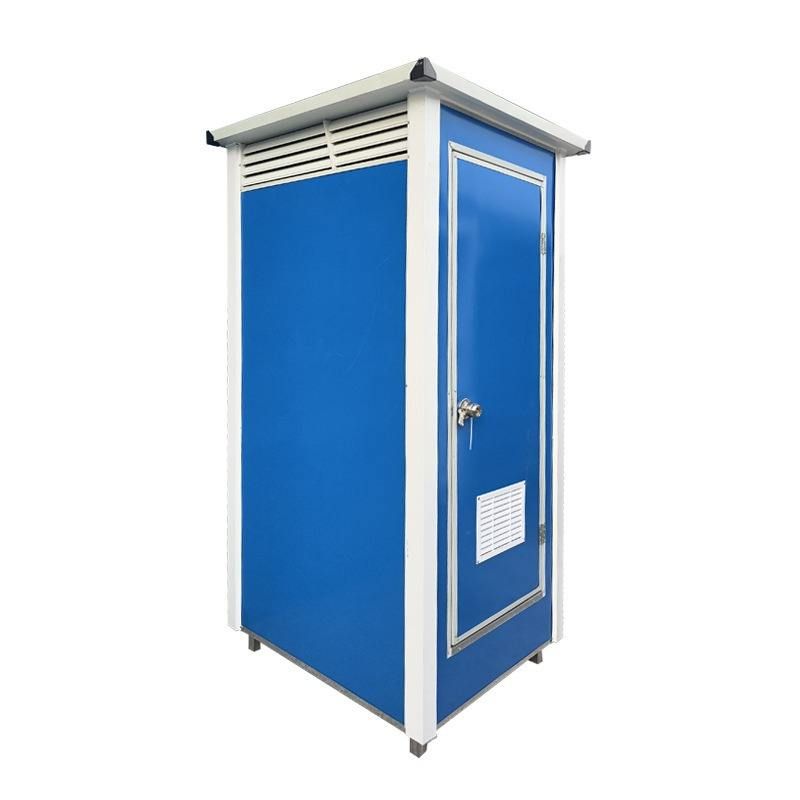
Technical Composition and Component Types
Prefabricated concrete movable houses fall under the category of prefabricated assembled buildings, with core technologies encompassing prefabricated concrete structures and steel structures. Components are standardized and produced in factories, including prefabricated beams, slabs, walls, and columns. Some components adopt a composite design of steel frames and concrete (such as steel-framed concrete lightweight floor slabs) to enhance structural strength and lightweight performance. Material options are diverse, covering sandwich panels, color-coated steel, stainless steel, light steel, rock wool panels, and concrete. Among them, concrete components, due to their strong durability and excellent fire resistance, are commonly used in long-term application scenarios; light steel or color-coated steel components, due to their convenient assembly and lower cost, are mostly used in temporary buildings.
Application Scenarios and Customized Services
These houses have a wide range of uses, covering areas such as offices, temporary accommodations, epidemic isolation zones, post-disaster reconstruction, and worker dormitories. For example, in post-disaster reconstruction, their modular design allows for the rapid construction of temporary shelters; in epidemic isolation scenarios, the highly sealed rock wool panels or concrete walls can effectively block transmission paths. Some products support on-demand customization, allowing users to adjust the house size, number of floors (single-story or multi-story), and style (such as assembled, modular, or mobile board houses) according to their needs. They can even integrate water and electricity systems and decorative layers to achieve a "turnkey" project.
Development History and Market Status
China's prefabricated concrete technology began in the 1950s, initially applied in factory and residential construction, but later fell silent due to technological limitations. After the 21st century, with improvements in production efficiency and the promotion of environmental protection policies, this technology has revived and formed a complete industrial chain. Currently, related products have been exported overseas. For example, in the first four months of 2026, the export value of movable houses from the Guangzhou Customs area reached 1.4 billion yuan, a year-on-year increase of 38.1%, indicating strong international market demand. Mainstream products on the market include prefabricated civil house roof slabs and prefabricated concrete hollow floor slabs. Prices fluctuate based on specifications (such as span and thickness) and manufacturer differences, but overall costs are lower than those of traditional cast-in-place buildings, making them particularly suitable for large-scale standardized projects.
Advantages and Limitations
Their core advantages lie in industrial production (controllable quality and small errors), rapid assembly (construction periods shortened by more than 50%), and environmental friendliness (reduced on-site wet operations and lower dust and noise pollution). However, limitations also exist, such as weaker adaptability to super high-rise buildings, significant impact of transportation costs on long-distance projects, and the need for strict matching of component modules in initial design, resulting in slightly lower flexibility compared to traditional buildings.



