
Export of Prefabricated Concrete Houses
The export scale of China's prefabricated concrete houses continues to grow, becoming an important participant in the global modular construction market with advantages in cost, efficiency, and quality, but it needs to address the risks of homogeneous competition and overcapacity.
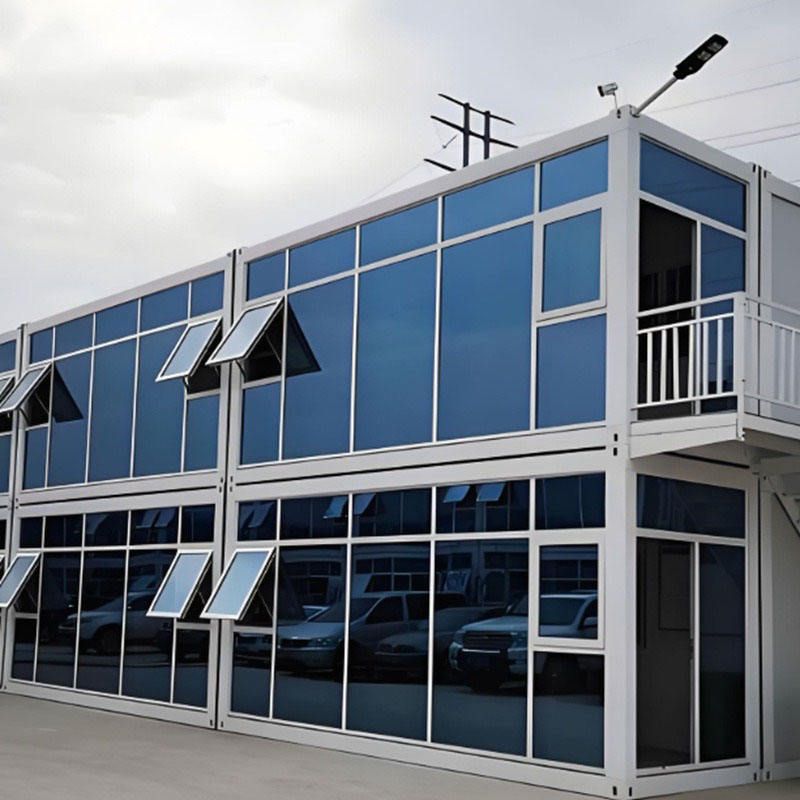
Export Scale and Growth Trends
China's export value of prefabricated concrete houses has nearly tripled from 2015 to 2025. In 2020, the export value was $1.7 billion, climbing to $4.3 billion in 2025, with a growth rate of 45% in the first quarter of 2026. Prefabricated concrete modules, as a core component, drive overall export growth, with the United States, the United Kingdom, Australia, and other countries being the major buyers. For example, in 2025, the United States imported over 70,000 sets of prefabricated building kits, with about 40% coming from China.
Core Advantages Supporting Export Competitiveness
- Rapid Delivery: The combination of factory prefabrication and on-site assembly shortens the construction period by more than 60% compared to traditional buildings. For instance, a senior living apartment project in the United Kingdom assembled 63 modules in just two weeks.
- Quality Control: Automated production lines and millimeter-level precision control reduce human errors, resulting in better quality than on-site construction and meeting high international standards.
- Environmental Protection and Energy Efficiency: Modular production reduces on-site noise, dust, and construction waste, aligning with global green building trends and facilitating export market expansion.
- Cost Advantage: China's low labor costs and a tightly integrated supply chain (e.g., a region with a population of 9 million in Weifang has full-industry-chain factories within a 20-minute drive) make prefabricated houses highly price-competitive.
Major Markets and Application Scenarios
- ASEAN Markets: Countries like Indonesia and Vietnam have strong demand for digital economy infrastructure, with bulk shipments of prefabricated data centers and staff dormitories.
- European and American Markets: The United Kingdom, Australia, and the United States purchase high-end modular buildings such as office buildings, hotels, and senior living apartments, emphasizing customized design and long-term durability.
- Emerging Fields: Luxury folding wooden houses and "space capsule" vacation homes target the overseas tourism market, with exports to Australia and Western Europe to meet personalized demands.
Industry Challenges and Risks
- Homogeneous Competition: Over 1,000 prefabricated house factories in China compete for orders, squeezing profits (e.g., the factory price of "double-wing folding houses" has dropped below 20,000 yuan, with profits of only 1,000 - 2,000 yuan per set).
- Overcapacity Risk: It is expected that more than one-third of factories may exit the market in the coming years, necessitating technological innovation and differentiated competition to mitigate risks.
China's export of prefabricated concrete houses has become an important force in the global construction industry's transformation and upgrading, but it needs to consolidate its competitive edge by enhancing technological added value and expanding into high-end markets.



