
Prefabricated Building Components Factory
Establishing a prefabricated building components factory involves adopting a modular construction approach, where buildings are disassembled into independent modules, manufactured in a factory, and then transported to the site for assembly. This method offers advantages such as efficiency, precision, and environmental friendliness, with a broad market outlook.
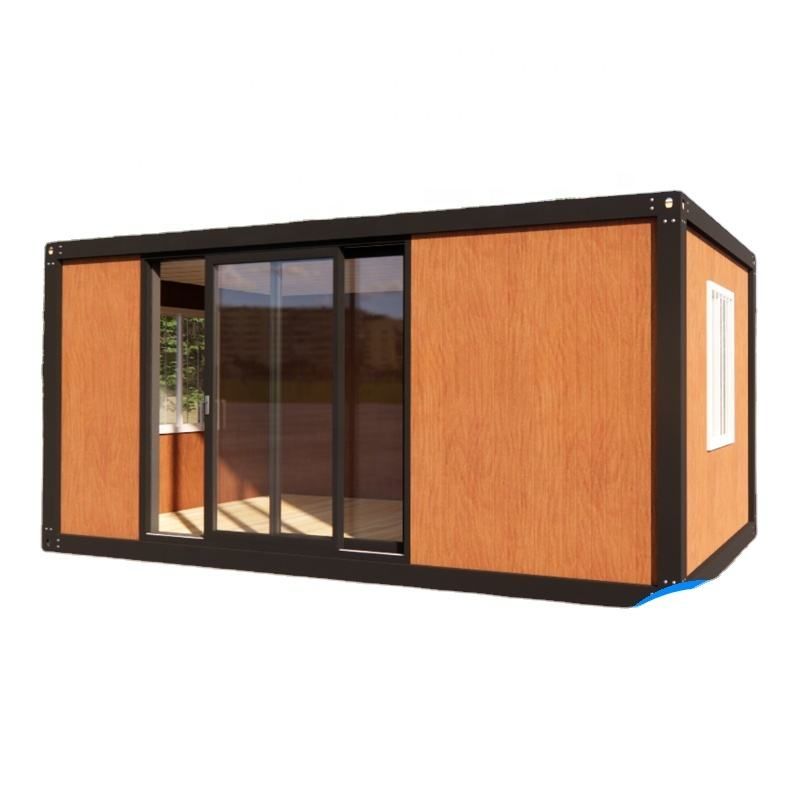
Production Mode and Efficiency Advantages
The core of establishing a prefabricated building components factory is modular production, drawing on experience from the automotive industry. Buildings are divided into independent modules (such as walls, floors, beams, and columns), which are manufactured in parallel on intelligent production lines within the factory. Efficient storage and scheduling are achieved through automated vertical warehouses. This approach breaks through the limitations of traditional on-site, layer-by-layer construction, reducing construction periods by over 60%. For example, the CSCEC Hailong Intelligent Construction Industrial Park in Shenzhen, Guangdong, supports an annual delivery capacity of 20,000 to 30,000 modules through its technological system and industrial cluster, significantly enhancing construction efficiency.
Technical Requirements and Quality Control
Prefabricated component production demands extremely high precision, with errors required to be controlled within millimeters. Each component is equipped with an 'ID card' that records the project name, product model, and production date, enabling full lifecycle traceability. In terms of materials, taking the popular prefabricated houses in rural Henan as an example, they adopt a fully reinforced concrete structure with a warranty period of 70 years. Additionally, they utilize new environmentally friendly materials (such as recyclable steel and recycled concrete) to achieve resource recycling, aligning with green building trends.
Factory Configuration and Industrial Support
Establishing a factory requires two core facilities:
- Automated Vertical Warehouse: Optimizes material flow and reduces manual handling costs through vertical storage and intelligent scheduling systems;
- Intelligent Production Line: Integrates high-precision molds, robotic welding, 3D printing, and other technologies to support parallel production of multiple modules, enhancing production capacity stability.
Furthermore, a complete technological system (such as BIM modeling and modular design software) and an industrial cluster (including raw material suppliers and logistics partners) must be established to support large-scale production.
Market Outlook and Product Types
The current market features numerous brands, with product materials covering concrete, sandwich panels, steel structures, etc. Styles include factory buildings, assembled houses, temporary buildings, etc. Assembly methods are divided into assembled (on-site bolt connections) and hoisted (integral module hoisting). It is predicted that the global modular construction market will exceed $142.8 billion by 2030, driven by factors such as accelerated urbanization, rising labor costs, and environmental protection policies. Prefabricated component factories can meet diverse demands through standardized production, becoming an important direction for the transformation of the construction industry.



